The Knight of Black Art
1907
No user ratings available yet
Diversity score: 2.7 out of 10
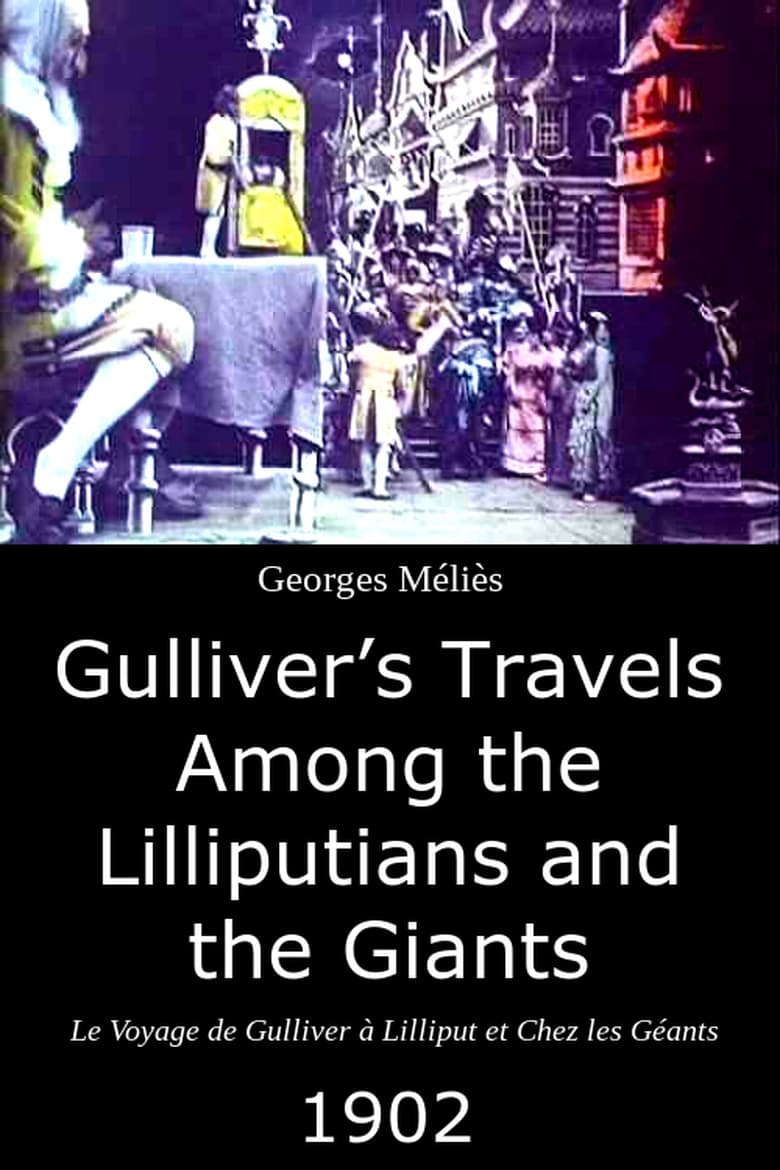
1902
Director
Georges Méliès
Runtime
4 minutes
Average Rating
No ratings yetSynopsis
Georges Méliès' adaptation of Jonathan Swift's "Gulliver's Travels" is most distinguished, today, for being a color film of the classic story. Color was rare in 1902 (and many years after) as non-tinted color has to be hand painted on the film; this was an arduous task. Also notable is the film's short running time of approximately five minutes. Much of the original work is not covered, but viewers were expected to be familiar with the story, and enjoy the filmed highlights. There are a couple of scenes missing; according to contemporary reports, Gulliver's shipwreck was certainly included. You can do a lot in a few minutes, as Mr. Méliès includes a re-make of his own "Une partie de cartes" (1896), which already looked like something previously covered by the Lumière Brothers.
Overall Score
Limited
Category Breakdown
LGBTQ+ Representation
The film's brief runtime and focus on scale-based visual effects preclude the development of queer identities. There is no evidence of LGBTQ+ presence or narratives that critique heteronormativity.
Gender Representation
The narrative centers on the physical scale disparity between Gulliver and the Lilliputians. Gender roles are not meaningfully explored, and the work does not provide significant agency to female characters.
Racial & Ethnic Diversity
The adaptation focuses on the mechanical and magical aspects of the journey. There is no evidence of intentional racial diversity or the use of non-white casts to disrupt era-standard norms.
Religious & Cultural Diversity
The film functions as a visual highlight reel of a classic literary tale. It lacks the moral relativism or the critique of Western institutions found in more progressive works.
Disability Representation
Characters are defined by their physical scale rather than neurodivergence or physical impairment. No characters are depicted through the lens of disability or portrayed with agency.
Strengths
Areas for Improvement
AI Analysis
Méliès' 1902 adaptation is a landmark of early cinematic illusionism, prioritizing technical spectacle and hand-painted color over social depth. The film functions as a condensed highlight reel of Swift's story, focusing on the visual wonder of scale rather than character-driven narratives. Because the work is a short, fantastical spectacle, it lacks the narrative space to explore intersectional identities. The focus remains strictly on the protagonist's interaction with a magical environment, leaving little room for complex social commentary. Ultimately, the film serves as a historical artifact of visual effects. It does not engage with the post-colonial themes present in the source material, nor does it attempt to subvert the traditional hierarchies of its era.
1907
1898
1903
1905
1900
1903
1902
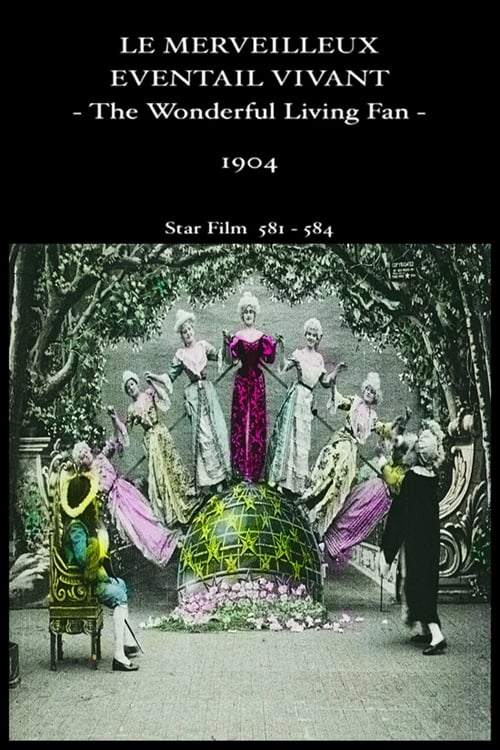
1904

1899
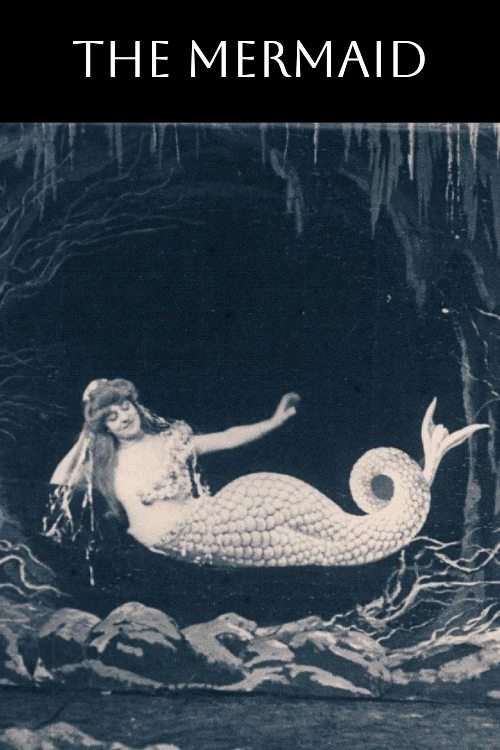
1904
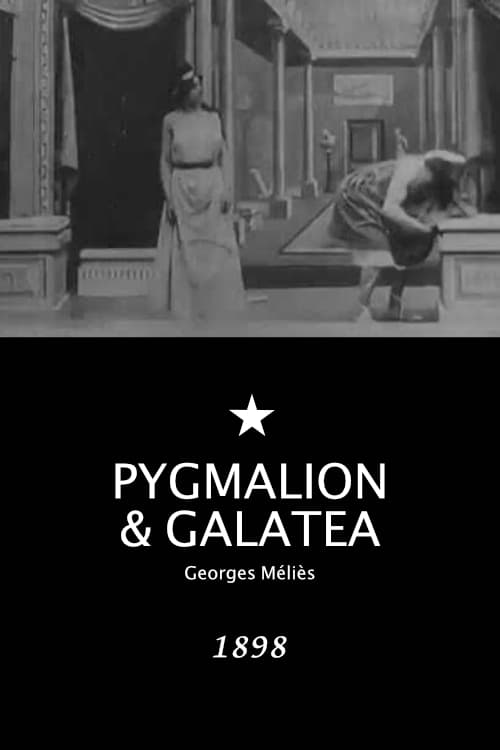
1898
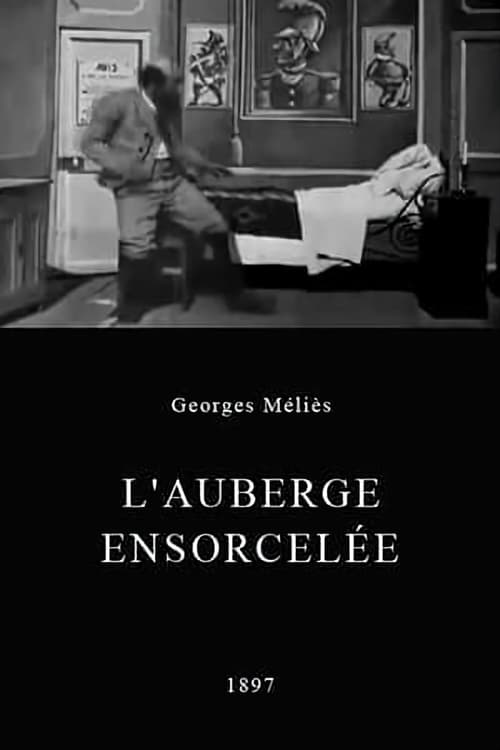
1897
No reviews yet. Be the first to share your thoughts on this movie!
Use the rating form above to leave a star rating and optional review.