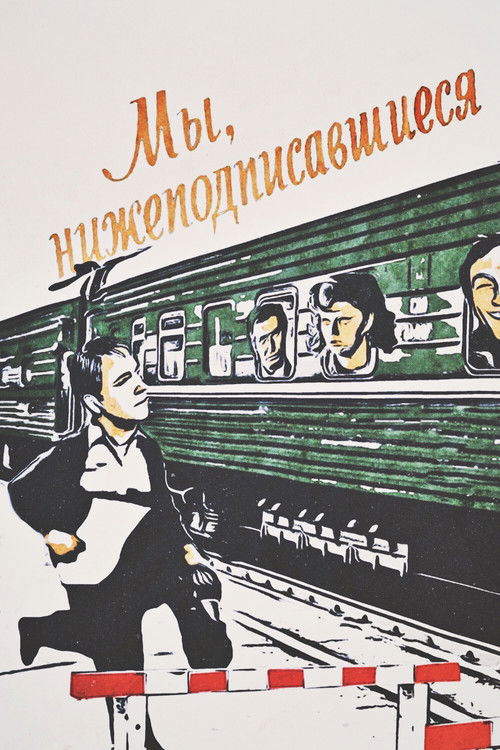
We, the Undersigned
1981
No user ratings available yet
Representation score: 2.8 out of 10
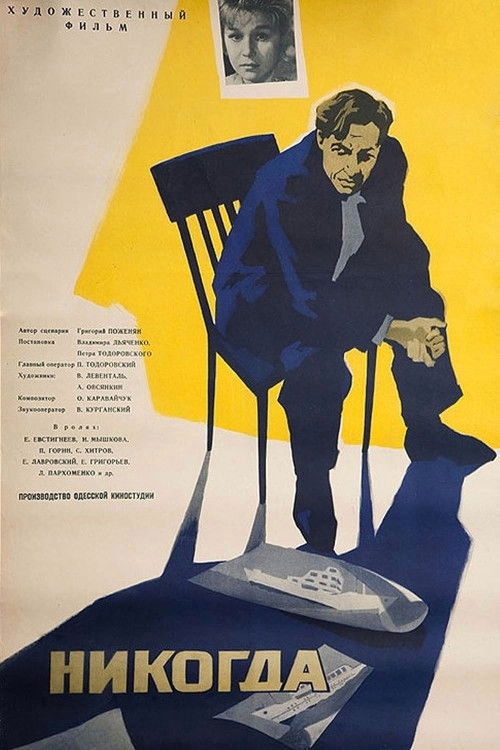
Representation Score
Minimal
1962
Director
Vladimir Dyachenko, Pyotr Todorovskiy
Runtime
90 minutes
Average Rating
No ratings yetNew Showbiz Analysis
The film is grounded in the social realism of the Soviet era. It explores the human condition through industrial leadership and the weight of collective responsibility. The structure of the film is inherently tied to the socio-political framework of its time, focusing on social cohesion rather than individualist pursuits. Since the film adheres to the cinematic constraints of 1962, it lacks the multi-layered approach found in modern works. It does not attempt to disrupt traditional hierarchies or represent underrepresented identities, instead focusing on the tension between a callous leader and the collective. Ultimately, the film serves as a study of industrial authority and socialist morality. It operates within a structured framework that prioritizes state-sanctioned narratives over the subversion of systemic power dynamics.
Category Breakdown
The film does not feature any LGBTQ+ characters or narratives. Given the historical context of 1962 Soviet cinema, there is no critique of the assumption that everyone is straight or cisgender.
The story revolves around a male shipyard director and traditional masculine roles of authority. It highlights the conflict of leadership within a male-dominated industrial environment.
The casting reflects the demographic uniformity typical of the era's cinematic standards. There is no indication of a non-white majority cast or diverse racial representation.
The narrative emphasizes collective labor and socialist ethics over individual pursuits. It frames social value through the lens of the shipyard and the worker.
There is no documented evidence of characters with physical or neurodivergent disabilities. The film does not address disability representation.
Present on Screen
Limited or Absent
Official Synopsis
A new shipyard director arrives in the city. New orders began at the factory, but, unfortunately, the new leader had flaws: there was something unusually tough, callous in his attitude to people ...
1981
1930
1964
1961

1957

1968
1984
1984
No reviews yet. Be the first to share your thoughts on this movie!
Use the rating form above to leave a star rating and optional review.