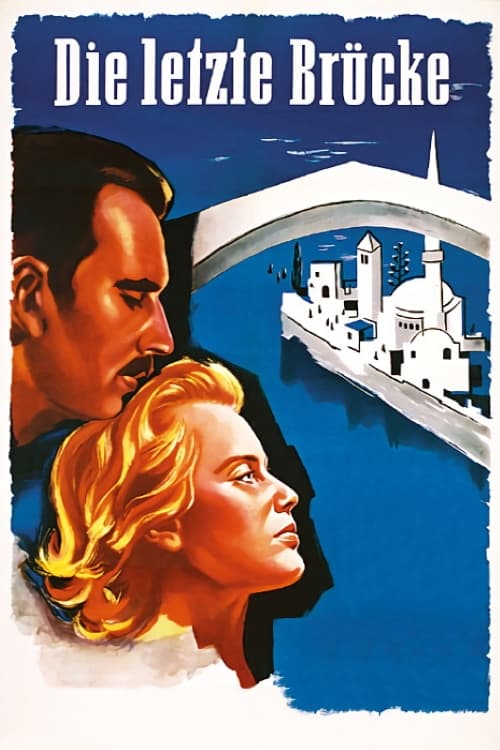
The Last Bridge
1954
No user ratings available yet
Diversity score: 5.6 out of 10
1989
Not RatedDirector
Derek Jarman
Runtime
90 minutes
Average Rating
No ratings yetSynopsis
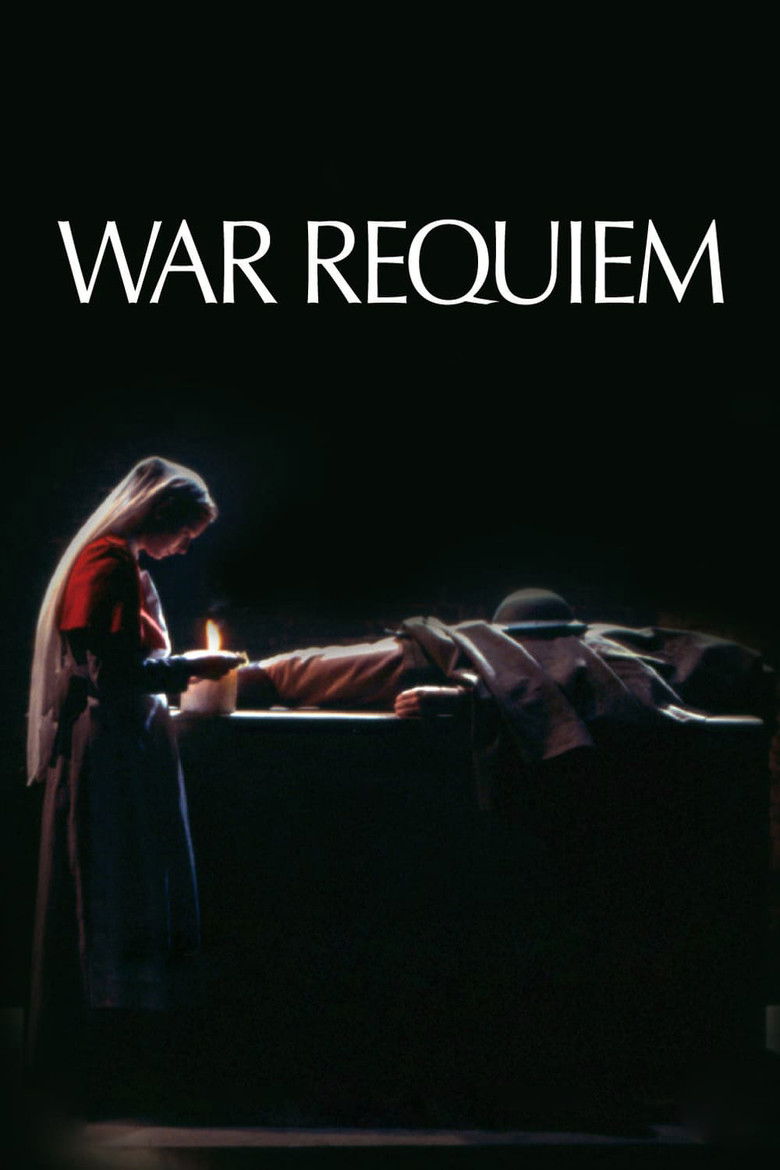
During World War I, British soldier Owen is mortified by the examples of cruelty that surround him in the trenches. He combats these terrifying images by maintaining hope in his love for an army nurse. But he also begins to accept his fate as another battlefield sacrifice.
Overall Score
Fair
Category Breakdown
LGBTQ+ Representation
The film reflects a queer sensibility through its fragmented, symbolic imagery. It avoids traditional heteronormative romantic arcs and standard cisnormative storytelling tropes.
Gender Representation
By eschewing the heroic soldier archetype, the film deconstructs traditional masculine ideals. It emphasizes human vulnerability and fragmentation rather than strength or dominance.
Racial & Ethnic Diversity
The work utilizes symbolic figures and montage rather than a diverse ensemble cast. It lacks explicit intersectional casting, focusing instead on universalized human suffering.
Religious & Cultural Diversity
The film excels at critiquing Western institutions like the Church and State. It juxtaposes liturgical music with warfare to disrupt the sanctity of religious and nationalistic rituals.
Disability Representation
The film uses the broken human body as a metaphor for systemic violence. It avoids romanticizing survival, focusing instead on the grim reality of physical destruction.
Strengths
Areas for Improvement
AI Analysis
Derek Jarman’s *War Requiem* is a postmodern meditation that prioritizes systemic critique over character-driven demographics. Its strength lies in its ability to dismantle traditionalist perspectives, specifically targeting the institutional structures of religion and the state that facilitate conflict. While the film lacks the explicit intersectional casting seen in modern cinema, it succeeds in deconstructing the 'heroic' masculine archetype. It replaces stoic warrior tropes with a more fluid, emotional landscape that highlights the visceral cost of war. Ultimately, the work functions as an avant-garde critique of power. It uses abstraction and symbolic imagery to address universal suffering and the psychological trauma of combat, rather than relying on conventional narrative structures.
1954
1991
1970
2009
1976
1976
1992

1976
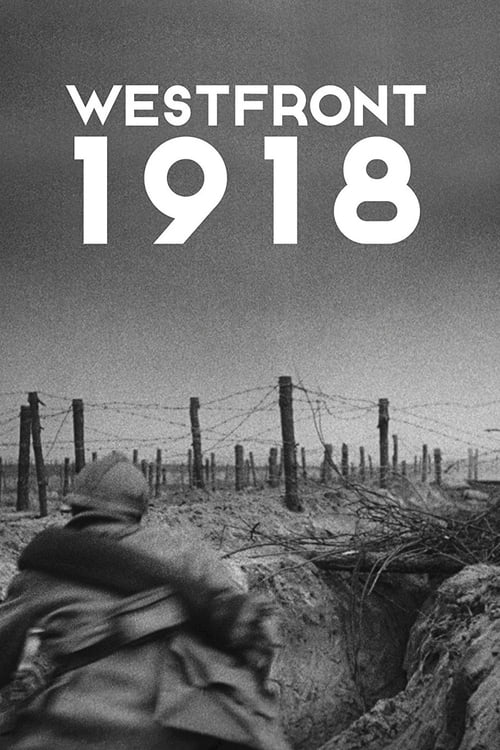
1930
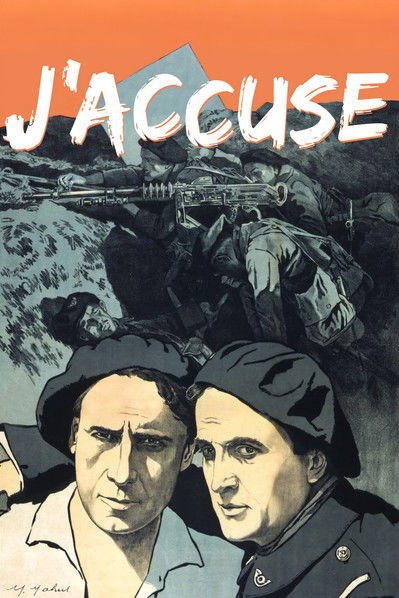
1919
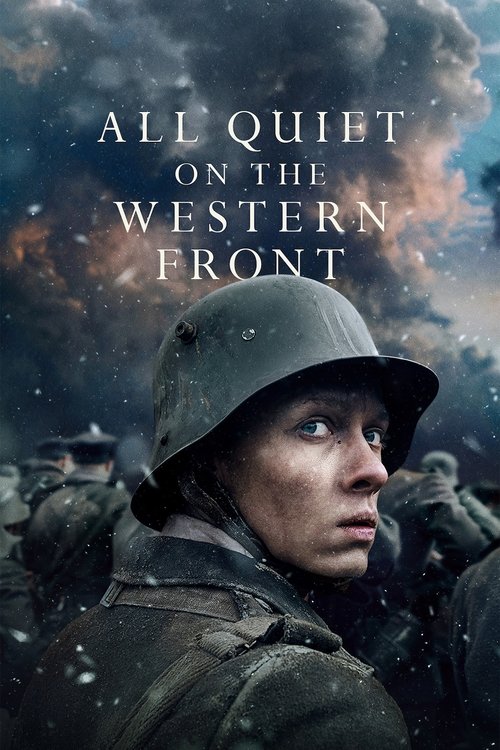
2022
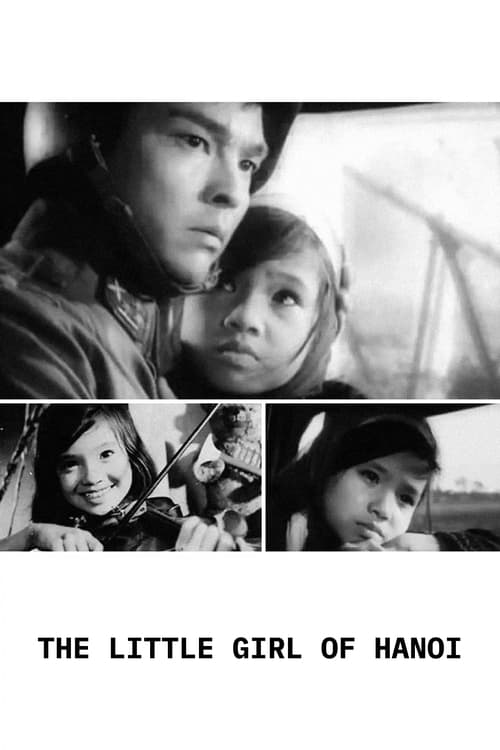
1974
No reviews yet. Be the first to share your thoughts on this movie!
Use the rating form above to leave a star rating and optional review.