
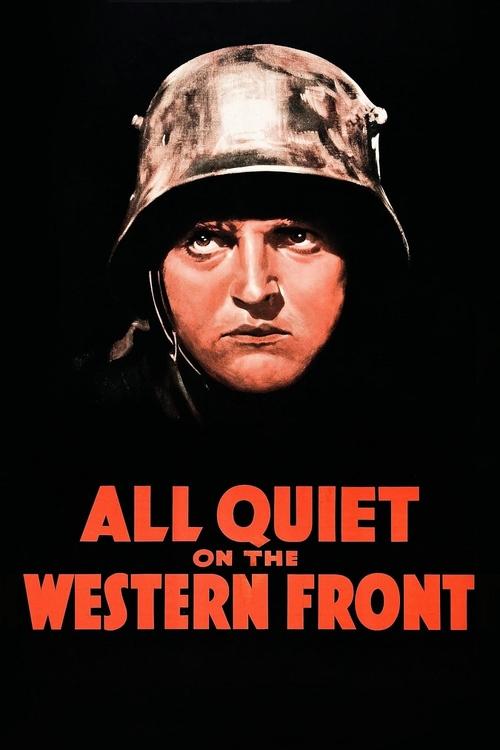
Westfront 1918
1930
No user ratings available yet
Representation score: 3.8 out of 10

Representation Score
Limited
2022
RDirector
Edward Berger
Runtime
147 minutes
Average Rating
No ratings yetNew Showbiz Analysis
Edward Berger’s adaptation is a powerful critique of institutional failures. It dismantles heroic myths and exposes the predatory nature of nationalism and the military-industrial complex. However, the film lacks demographic diversity, focusing on a homogenous, male-centric world that reflects the historical period but offers limited perspectives on LGBTQ+ and diverse ethnic identities. The film's strength lies in its systemic critique, prioritizing the exposure of institutional oppression over individual heroics, despite maintaining a narrow social lens.
Category Breakdown
The film focuses on a highly masculine environment and does not depict any non-traditional gender identities or same-sex relationships.
The story revolves around a male-dominated setting where female characters play minor roles, mainly as catalysts for patriotic sentiment.
The cast is largely homogeneous, reflecting the historical demographics of the German Imperial Army. While it avoids obvious stereotypes, it lacks diverse ethnic representation.
The film effectively challenges nationalism and the military-industrial complex by portraying the enemy as equally human, breaking down traditional 'us vs. them' binaries.
Physical and psychological trauma, including shell shock, are central to the plot, highlighting the futility of war without giving characters much ability to act.
Present on Screen
Limited or Absent
Official Synopsis
Paul Baumer and his friends Albert and Muller, egged on by romantic dreams of heroism, voluntarily enlist in the German army. Full of excitement and patriotic fervour, the boys enthusiastically march into a war they believe in. But once on the Western Front, they discover the soul-destroying horror of World War I.
1930

1979
1919
1930

2014

1925

2018

2019
No reviews yet. Be the first to share your thoughts on this movie!
Use the rating form above to leave a star rating and optional review.