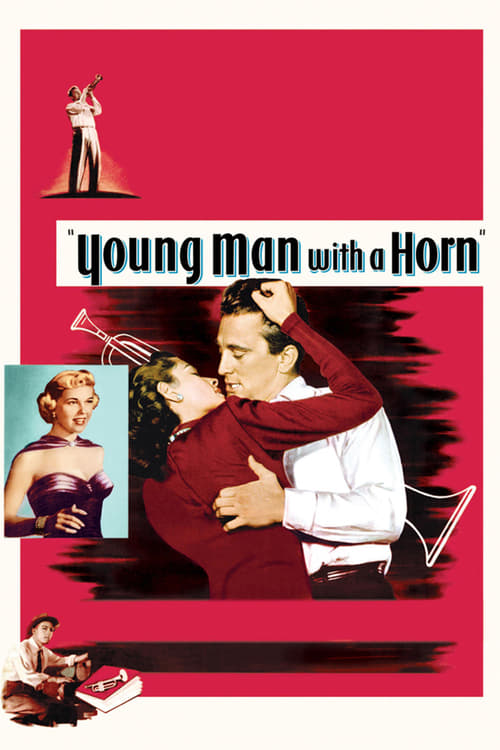
Young Man with a Horn
1950
No user ratings available yet
Diversity score: 2.6 out of 10
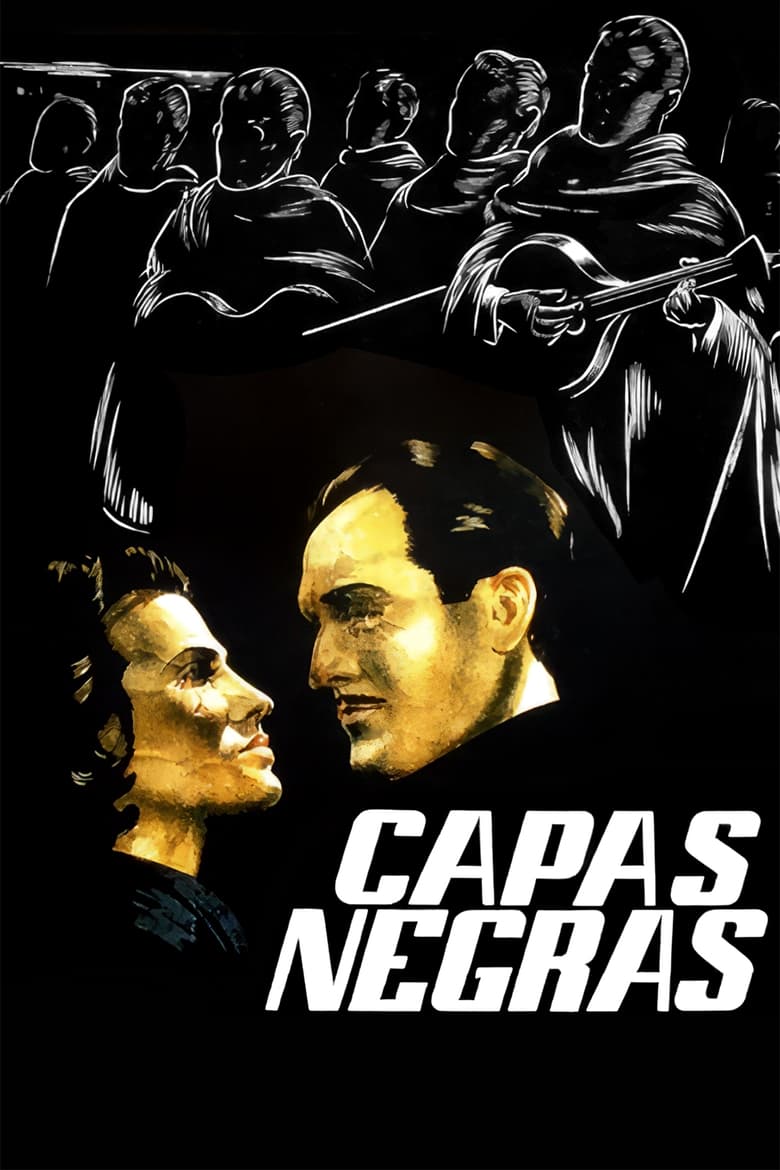
1947
Director
Armando de Miranda
Runtime
103 minutes
Average Rating
No ratings yetSynopsis
The great fadista, Amelia Rodrigues, made her screen debut in Capas Negras, which took its name from the black capes worn by the students in the university city of Coimbra, where the film is set. The action begins in a tavern where a group of former students are reminiscing about their time at the university. One of the students, Jose Duarte then breaks into song, performing an impromptu fado in the local Coimbra style. The tavern owner's niece, the aptly named Maria Lisboa promptly retaliates with a fado of the Lisbon variety. The melodramatic plot then centers on the frustrated romance between these two characters, and the soundtrack is essentially a musical duel between these two different styles of Portugal's national song.
Overall Score
Limited
Category Breakdown
LGBTQ+ Representation
The film adheres to the heteronormative romantic conventions of 1940s melodrama. The narrative focuses on a frustrated romance between the two central protagonists without any queer subtext.
Gender Representation
Maria Lisboa shows agency through her musical prowess and competitive vocal retaliation. However, the plot remains centered on traditional romantic tropes and patriarchal structures.
Racial & Ethnic Diversity
The setting and cast reflect a homogeneous portrayal of mid-century Portuguese society. There is no evidence of racial blending or non-white perspectives within this regionalist framework.
Religious & Cultural Diversity
The film serves as a vehicle for nationalistic expression through fado. It explores regional tensions between Coimbra and Lisbon traditions while affirming established cultural institutions.
Disability Representation
There are no visible or mentioned depictions of physical or neurodivergent characters in this production.
Strengths
Areas for Improvement
AI Analysis
Black Cloaks is a traditional period piece that prioritizes the celebration of Portuguese musical heritage over social subversion. The film functions as a cultural time capsule, focusing on the stylistic duel between Coimbra and Lisbon fado. While the film offers regional depth, it lacks diversity in terms of race, gender dynamics, and sexual orientation. The narrative reinforces mid-century social hierarchies and heteronormative romantic structures rather than challenging them. Ultimately, the work is a nationalistic celebration of identity that remains within the bounds of established cultural and social norms of its era.
1950
1986
1933
1936

1943
1929
1944

1984
1938
1934
1950
1943
No reviews yet. Be the first to share your thoughts on this movie!
Use the rating form above to leave a star rating and optional review.