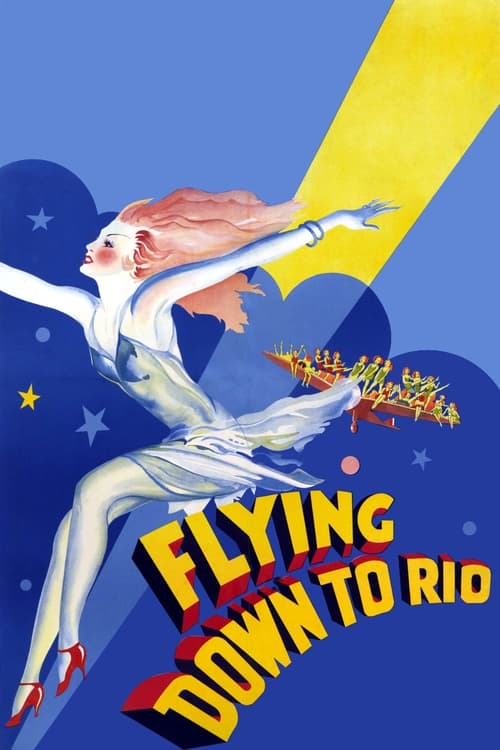
Flying Down to Rio
1933
No user ratings available yet
Representation score: 1.5 out of 10
Representation Score
Minimal
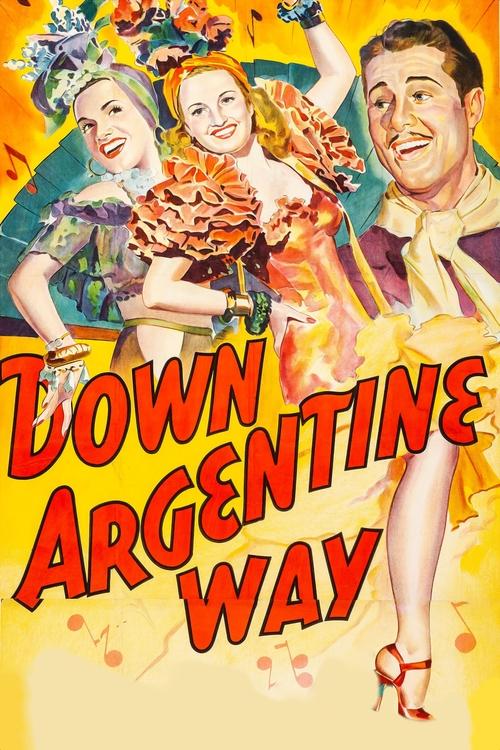
1940
NRDirector
Irving Cummings
Runtime
89 minutes
Average Rating
No ratings yetNew Showbiz Analysis
Down Argentine Way exemplifies 1940s Hollywood escapism, focusing on musical spectacle and romanticized internationalism. It prioritizes exoticized cultural clichés and traditional social hierarchies over any meaningful narrative subversion or systemic critique. The film highlights high-caliber musical talent, particularly performers of color like the Nicholas Brothers and Carmen Miranda. However, it relies heavily on cultural clichés and a sanitized depiction of Argentine culture, avoiding a nuanced exploration of ethnic identity.
Category Breakdown
The film follows traditional heterosexual relationships without showing any non-binary gender identities or same-sex intimacy.
It emphasizes traditional gender roles and courtship rituals. The female lead shows some independence in her romantic life, but the story revolves around patriarchal challenges.
High-caliber performers like Carmen Miranda and the Nicholas Brothers bring diverse representation. However, the South American setting is often portrayed through exoticized Hollywood clichés.
The film presents an idealized version of foreign cultures, reinforcing Western class structures and celebrating the status quo.
There are no characters with visible or invisible disabilities, nor any depiction of neurodivergence or chronic illness.
Present on Screen
Limited or Absent
Official Synopsis
The story—in which an American heiress on holiday in South America falls in love with an Argentine horse breeder against the wishes of their families—takes a backseat to the spectacular location shooting and parade of extravagant musical numbers, which include the larger-than-life Carmen Miranda singing the hit “South American Way” and a showstopping dance routine by the always amazing Nicholas Brothers.
1933

1937
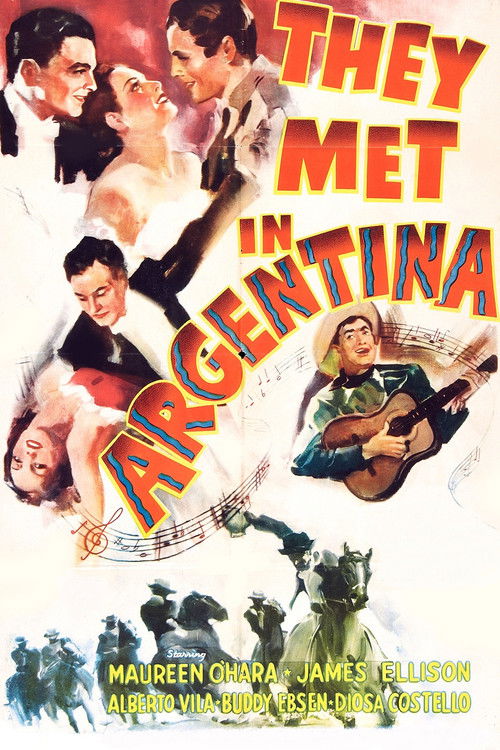
1941
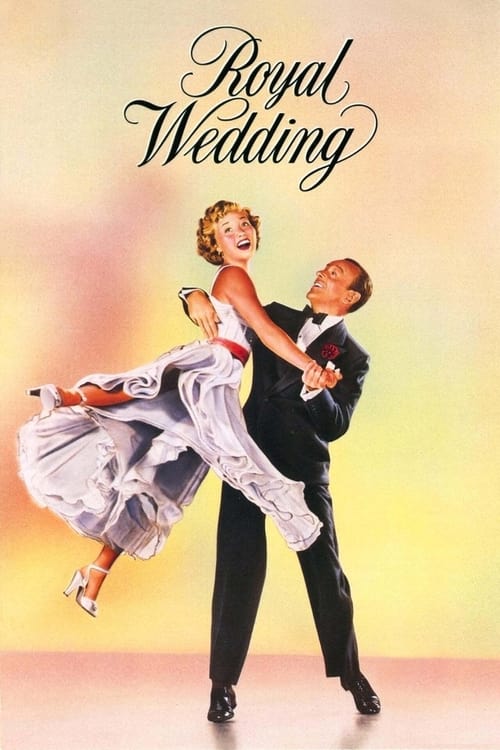
1951
1942
1955

1944
1935
No reviews yet. Be the first to share your thoughts on this movie!
Use the rating form above to leave a star rating and optional review.