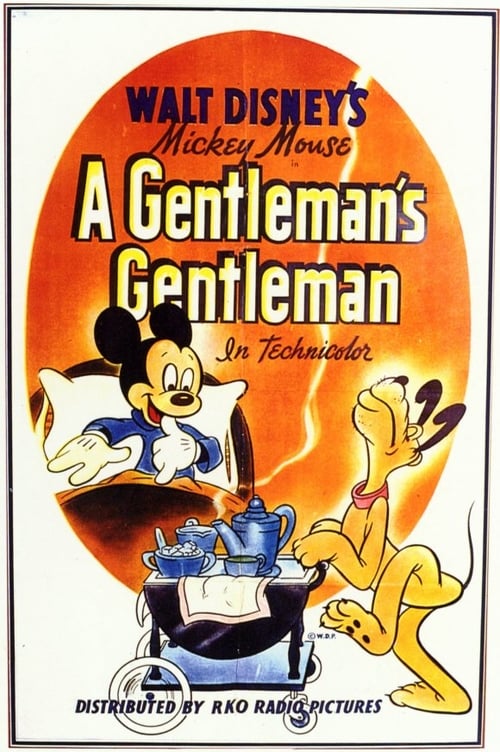
A Gentleman's Gentleman
1941
No user ratings available yet
Diversity score: 1.8 out of 10
No Poster Available
1931
Director
Vernon Stallings, John Foster
Runtime
7 minutes
Average Rating
No ratings yetSynopsis
Tom and Jerry are aboard a train making its way up a mountain in the Swiss Alps. When their train breaks down, they're spotted by a very thin St. Bernard, who brings the engine some liquor. The engine zips through the Alps, but leaves the pair behind.
Overall Score
Minimal
Category Breakdown
LGBTQ+ Representation
The film contains no evidence of non-heteronormative identities or narratives addressing gender identity. The focus remains strictly on physical comedy within a mechanical setting.
Gender Representation
The story centers on anthropomorphic animals, sidestepping traditional human gender hierarchies. However, there is no portrayal of nuanced gendered agency or subversion of gender roles.
Racial & Ethnic Diversity
While set in the Swiss Alps, the narrative lacks a diverse cast. It follows typical era tropes without evidence of race-bent casting or blended ethnic identities.
Religious & Cultural Diversity
The film relies on romanticized Alpine tropes and reductive character archetypes, such as a St. Bernard providing liquor. It operates within a conventional, episodic comedic structure.
Disability Representation
There is no evidence of characters possessing visible or invisible disabilities. Disability is not utilized as a narrative device or plot point.
Strengths
Areas for Improvement
AI Analysis
A Swiss Trick is a period-typical animated short that prioritizes situational absurdity over identity-driven storytelling. The narrative architecture follows a traditional slapstick structure, focusing on mechanical failure and character displacement in a high-altitude setting. The work reflects the standard compositional norms of 1931 animation. It lacks the intentionality required to disrupt social hierarchies or provide complex interpersonal dynamics, instead leaning on localized environmental themes and classic tropes. Ultimately, the film functions as a brief, episodic comedy. It offers little in the way of social critique or diverse representation, remaining firmly rooted in the era's conventional comedic frameworks.
1941
1940
1937
1943
1966
1941
1935
1933
1932
1951

1929
1945
No reviews yet. Be the first to share your thoughts on this movie!
Use the rating form above to leave a star rating and optional review.