Alone or with Others
1962
No user ratings available yet
Representation score: 4.7 out of 10
Representation Score
Excellent
1961
Not RatedDirector
Jean Rouch
Runtime
90 minutes
Average Rating
No ratings yetNew Showbiz Analysis
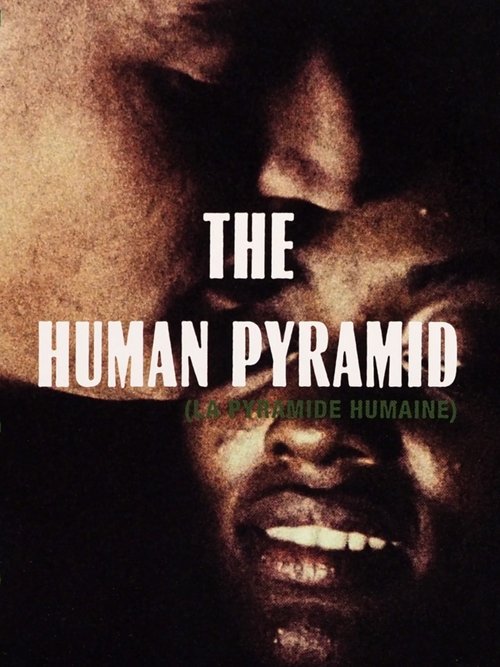
Jean Rouch’s *The Human Pyramid* is a landmark of *cinéma vérité* that uses a social experiment to break down racial and social barriers of the early 1960s. By having teenagers improvise social interactions, the film empowers its subjects and counters the colonial perspective. The film's strongest point is its racial integration, which serves as the main driver for exploring human socialization. It goes beyond simple inclusion to simulate a blended social reality through improvisation. However, the film's ethnographic focus limits its scope. The emphasis on physical coordination and communal rituals can unintentionally prioritize able-bodied participants and lacks explicit LGBTQ+ representations.
Category Breakdown
While the film doesn't feature explicit LGBTQ+ narratives, it allows for a flexible exploration of social interactions through communal improvisation.
The film challenges traditional gender roles by focusing on collective physical achievements, shifting the focus from individual masculine dominance to a model of shared strength and community.
Jean Rouch uses a racially diverse cast of Black and White teenagers to challenge 1960s racial segregation. The film's improvisational structure simulates a post-racial social cohesion and rejects Eurocentric norms.
The film documents West African social structures, emphasizing ritualistic movements and collective identity over individualistic Western social norms. This provides a counter-narrative to Western-centric depictions.
The film focuses on physical communal rituals and does not specifically address neurodivergence or physical disabilities. However, the emphasis on physical coordination may inadvertently prioritize able-bodied participation.
Present on Screen
Limited or Absent
Official Synopsis
Jean Rouch gives a group of black and white teenagers a "what if" question: what if they socialised with each other? The teenagers then improvise their own characters and situations.
1962
1961

1995
1965

2016

2020
1959
2004
No reviews yet. Be the first to share your thoughts on this movie!
Use the rating form above to leave a star rating and optional review.