Clouds of May
1999
No user ratings available yet
Representation score: 7.4 out of 10
Representation Score
Good
1995
Director
Mohsen Makhmalbaf
Runtime
75 minutes
Average Rating
No ratings yetNew Showbiz Analysis
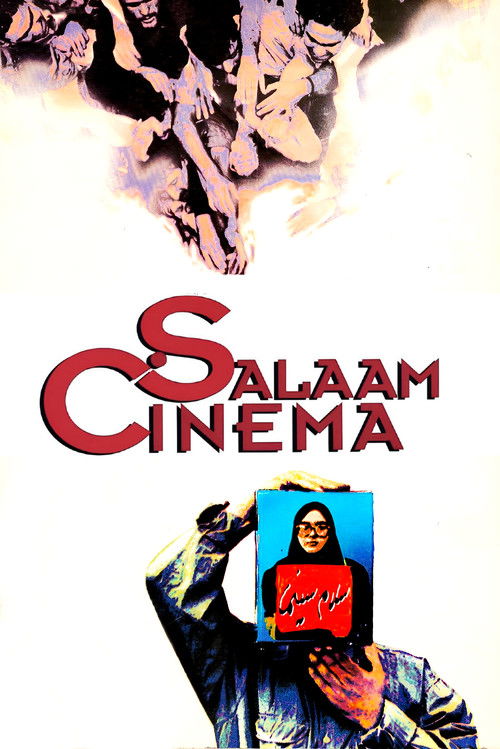
Salaam Cinema is a meta-cinematic study that prioritizes post-colonial critique over contemporary identity politics. It succeeds by challenging Western media hegemony through a localized Iranian lens, offering a profound look at cultural translation. While the film lacks representation for LGBTQ+ identities and disability, it provides a rich exploration of how global media shapes the imagination of non-Western populations. It replaces Hollywood mythos with a subjective, localized morality. Ultimately, the film's strength lies in its intellectual depth regarding cultural ability to act, even if it adheres to traditional social structures regarding gender and lacks specific focus on underrepresented identity groups.
Category Breakdown
The film does not include any explicit LGBTQ+ characters or narratives. Instead, it focuses on the collective experience of villagers and their relationship to the medium of film.
The film reflects traditional rural Iranian gender roles. However, it subtly highlights the performative nature of these roles through the act of auditioning.
The film excels by featuring an entirely Iranian cast. This disrupts the Western gaze by showcasing how local populations interpret and translate global media genres.
This work serves as a post-colonial critique of cultural imperialism. It examines how Hollywood archetypes are transplanted into a setting where they lack organic roots.
There is no significant or intentional focus on visible or invisible disabilities. Characters are portrayed as a socioeconomic collective rather than through the lens of disability.
Present on Screen
Limited or Absent
Official Synopsis
Makhmalbaf puts an advertisement in the papers calling for an open casting for his next movie. However when hundreds of people show up, he decides to make a movie about the casting and the screen tests of the would-be actors.
1999

2011

2010

2015
1998

2018
2013
1999
No reviews yet. Be the first to share your thoughts on this movie!
Use the rating form above to leave a star rating and optional review.