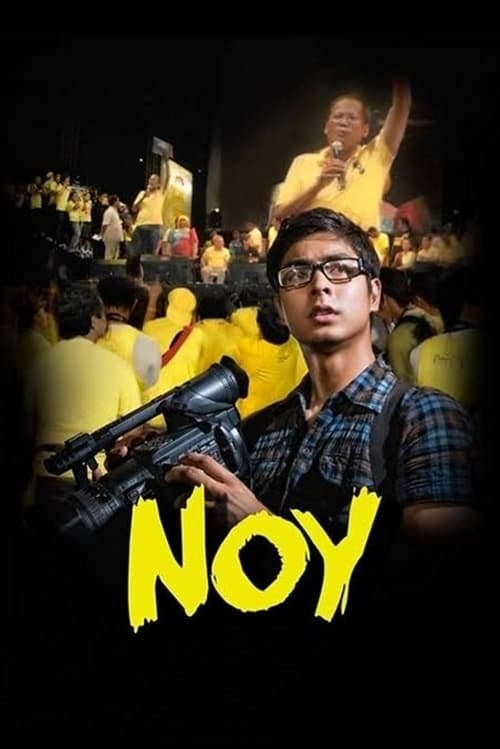
Noy
2010
No user ratings available yet
Diversity score: 5.6 out of 10
No Poster Available
1952
Director
Amílcar Tirado
Runtime
31 minutes
Average Rating
No ratings yetSynopsis
Field workers in Puerto Rico want to have a night school.
Overall Score
Good
Category Breakdown
LGBTQ+ Representation
The film lacks explicit details regarding romantic subplots or gender identity. The score reflects a neutral stance due to a lack of visible data on non-cisnormative identities.
Gender Representation
The pursuit of night school by field workers suggests a potential disruption of traditional labor hierarchies. This drive for literacy may serve as a vehicle for women to claim intellectual agency.
Racial & Ethnic Diversity
The narrative centers the Puerto Rican working class with high intentionality. It disrupts mid-century cinematic homogeneity by providing significant depth to the Caribbean experience.
Religious & Cultural Diversity
The story highlights the necessity of grassroots education to critique traditional power structures. It prioritizes communal empowerment and self-improvement over established institutional authority.
Disability Representation
There is no evidence regarding the portrayal of physical or neurodivergent identities within the available narrative details.
Strengths
Areas for Improvement
AI Analysis
Amílcar Tirado’s direction utilizes social realism to explore the lived experiences of marginalized populations. By focusing on the educational aspirations of Puerto Rican field workers, the film moves away from stylized escapism toward a sociological study of rural life. The film succeeds in disrupting the era's tendency toward Western-centric perspectives. It frames laborers not as passive subjects, but as active participants seeking social elevation through knowledge. While the film excels in ethnic and cultural representation, it remains ambiguous regarding gendered power dynamics and LGBTQ+ identities. The lack of specific character data in these areas prevents a higher overall score.
2010
1930
1961
2004

1977

2008

2016
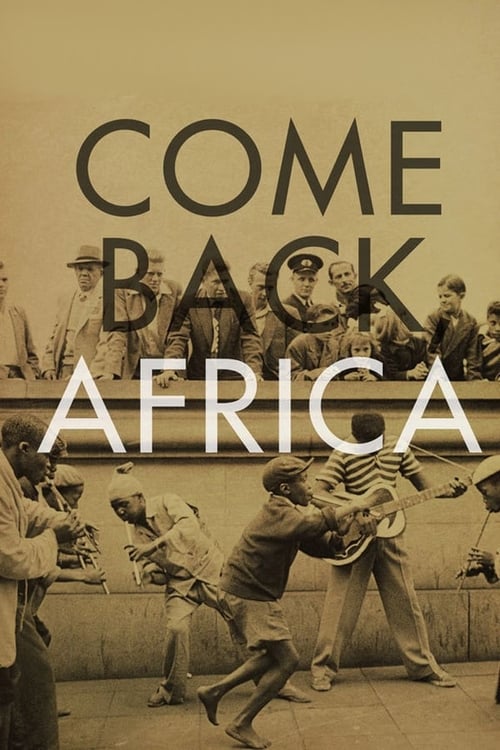
1959
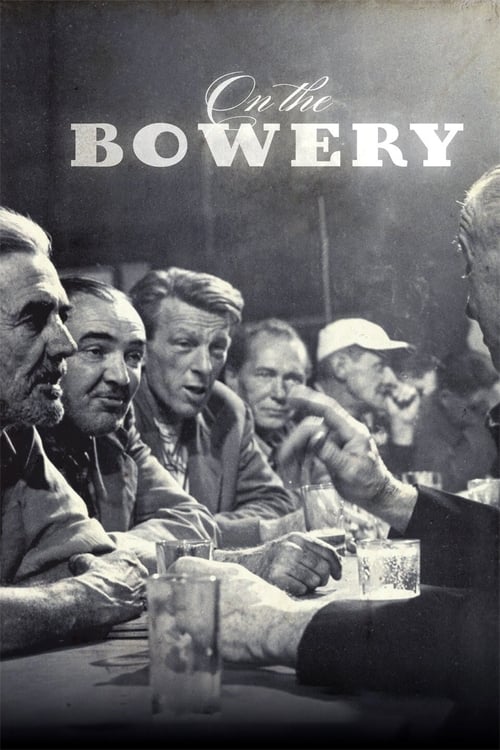
1957
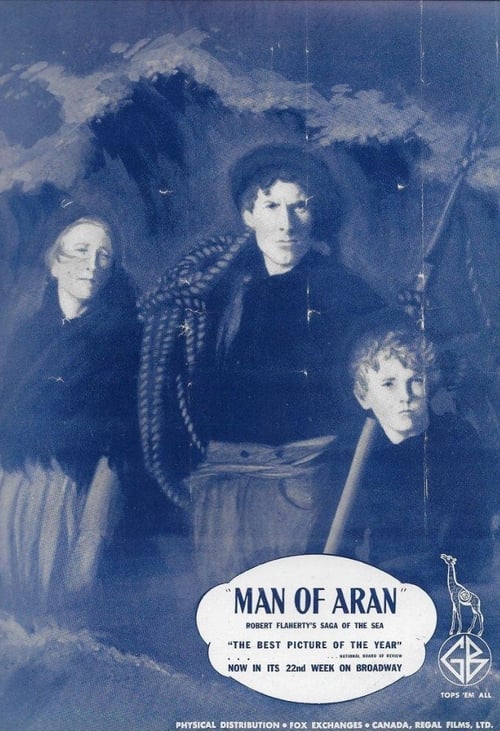
1934
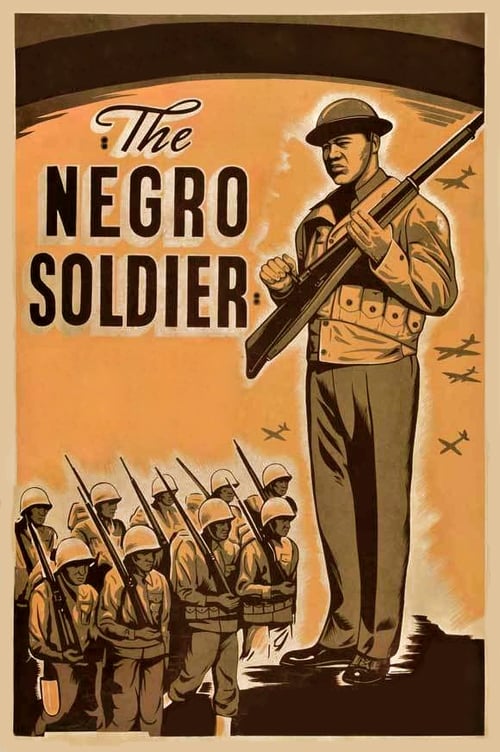
1944
1957
No reviews yet. Be the first to share your thoughts on this movie!
Use the rating form above to leave a star rating and optional review.