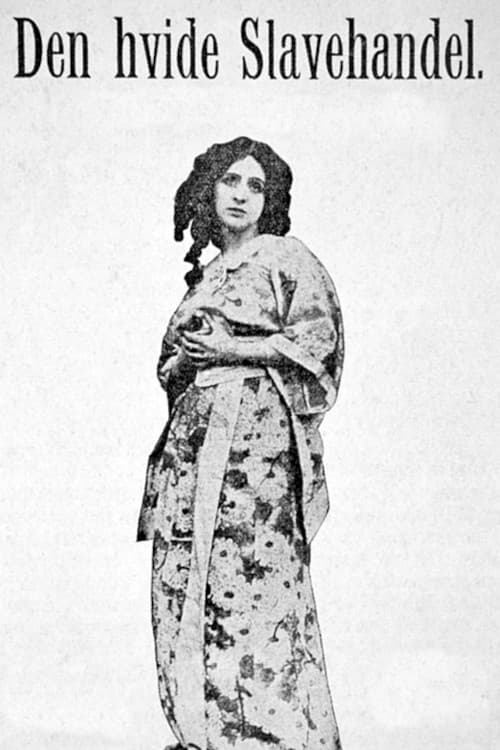
The White Slave Trade
1910
No user ratings available yet
Diversity score: 2.6 out of 10
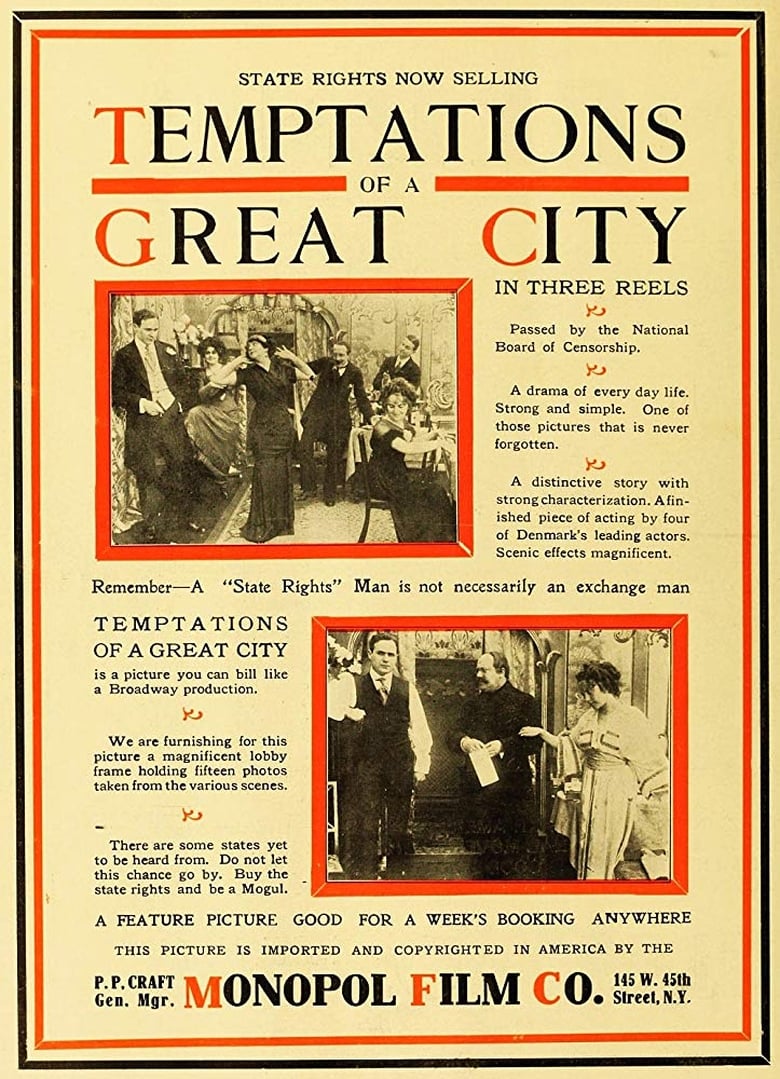
1911
Director
August Blom
Runtime
41 minutes
Average Rating
No ratings yetSynopsis
Mrs. Hellertz is distraught about her son Aage, who – in spite of a good pay and generous support from home – manages to spend every penny on debauchery in the night life. He indebts himself deeply and falls into the clutches of a malicious loan shark who is out for Mrs. Hellertz's fortune. To complicate things further, Aage starts a relationship with the loan shark's beautiful daughter. (Stumfilm.dk)
Overall Score
Limited
Category Breakdown
LGBTQ+ Representation
The narrative focuses on a traditional romantic entanglement between the protagonist and a woman. There is no evidence of non-heteronormative identities or same-sex intimacy.
Gender Representation
Mrs. Hellertz serves as a central maternal figure, though her role is defined by domestic distress. The film reinforces era-specific roles, positioning women as moral stabilizers and men as agents of chaos.
Racial & Ethnic Diversity
The film reflects the homogeneous demographic realities of 1911 Denmark. There is no indication of racial blending or diverse casting within the social classes depicted.
Religious & Cultural Diversity
The story explores urban decadence through a lens of traditional morality. It functions as a cautionary tale about personal responsibility and family preservation rather than a systemic critique.
Disability Representation
There is no evidence of characters with physical or neurodivergent disabilities. The plot centers on social class and moral failings rather than disability.
Strengths
Areas for Improvement
AI Analysis
August Blom’s drama is a product of its time, functioning as a moralistic social study of early 20th-century European life. It prioritizes class conflict and individual character flaws over the exploration of diverse identities. The film adheres to the rigid social hierarchies and traditional gender roles prevalent in 1911 Denmark. While it examines the pressures of urban life and the dangers of debt, it does so through a conventional, cautionary framework. Ultimately, the work lacks representation of marginalized groups, focusing instead on the domestic and financial struggles of the landed class.
1910
1919
1940
1928
1920

1915

1914
1912
1925

1917

1929

1931
No reviews yet. Be the first to share your thoughts on this movie!
Use the rating form above to leave a star rating and optional review.