
Good Night, and Good Luck.
2005
No user ratings available yet
Representation score: 1.3 out of 10
Representation Score
Fair
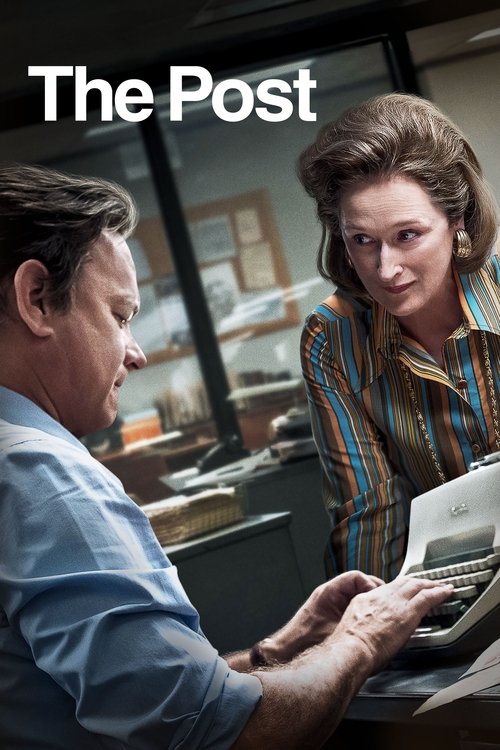
2017
PG-13Director
Steven Spielberg
Runtime
116 minutes
Average Rating
No ratings yetNew Showbiz Analysis
The Post focuses on gendered power dynamics and institutional accountability. It effectively dismantles patriarchal structures through Kay Graham's transformation from a passive figure to a decisive leader. However, the film's impact is limited by its narrow demographic focus. The narrative centers on a white, high-socioeconomic class, which restricts a broader exploration of diverse identities. The absence of racial and LGBTQ+ representation confines the scope to a specific social stratum. Ultimately, while the film accurately portrays a particular social context, it fails to incorporate a wide range of human experiences into its central conflict.
Category Breakdown
The film adheres to a strictly heterosexual and cisgender framework. There are no LGBTQ+ characters or non-cisgender identities represented in the main cast or storylines.
Kay Graham's journey challenges traditional gender roles. The narrative centers on a woman gaining authority in a male-dominated industry, disrupting stereotypes of female submissiveness.
The story primarily features a white, high-socioeconomic professional class. Despite being set in the 1971 press corps, the narrative lacks significant characters of color in key positions of power.
The film critiques state power and institutional secrecy. It emphasizes the pursuit of truth over blind patriotism or traditional state-centric hierarchies.
The film does not prominently depict visible or invisible disabilities. It avoids using characters with disabilities as inspirational figures or mocking them.
Present on Screen
Limited or Absent
Official Synopsis
A cover-up that spanned four U.S. Presidents pushed the country's first female newspaper publisher and a hard-driving editor to join an unprecedented battle between journalist and government. Inspired by true events.
2005
2017
2015
1990

2018

2017
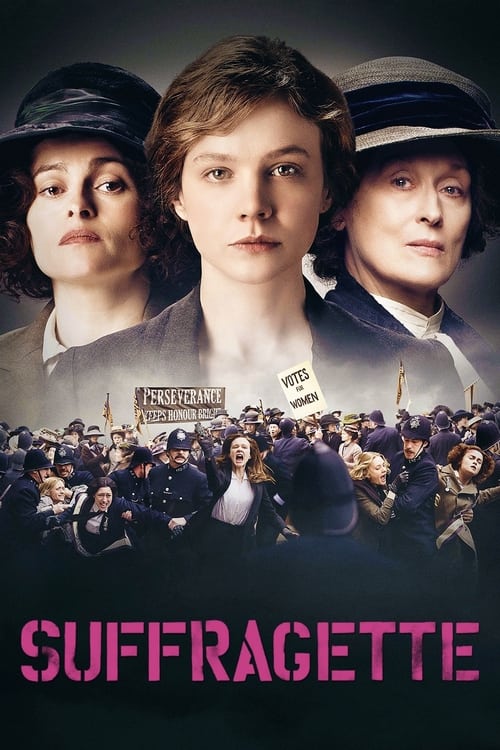
2015

2003
No reviews yet. Be the first to share your thoughts on this movie!
Use the rating form above to leave a star rating and optional review.