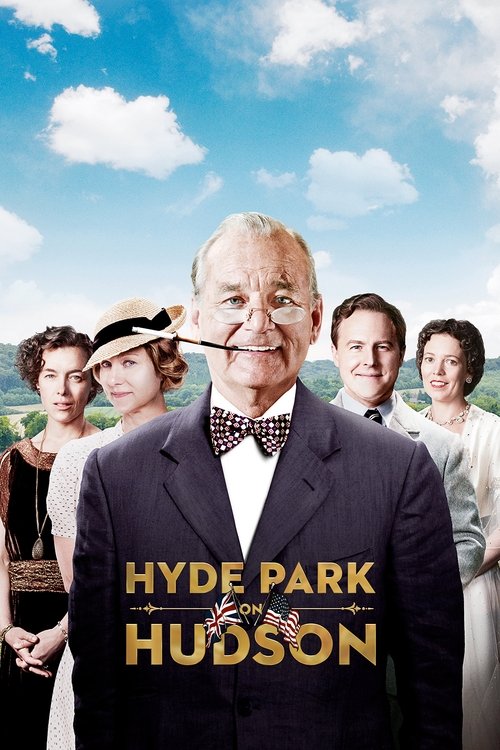
Hyde Park on Hudson
2012
No user ratings available yet
Representation score: 4.1 out of 10
Representation Score
Minimal
2016
RDirector
Liza Johnson
Runtime
86 minutes
Average Rating
No ratings yetNew Showbiz Analysis
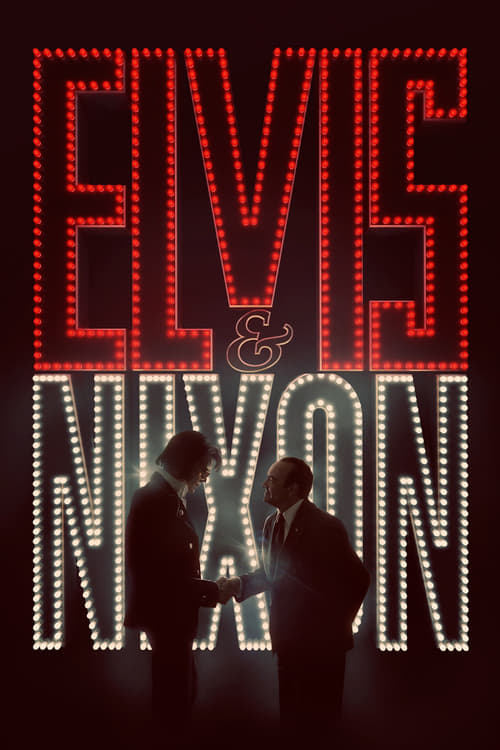
Elvis & Nixon is a traditional historical drama that emphasizes biographical accuracy over disrupting social hierarchies. The film sticks closely to the demographic and power dynamics of its 1970s setting. By focusing on the intersection of individual celebrity and institutional power, the film upholds the era's established social norms. It lacks complexity in representing diverse identities and does not challenge these norms.
Category Breakdown
The film does not explore any queer themes or non-straight identities. Character interactions are centered around the heterosexual norms of the 1970s.
The story focuses primarily on masculine roles like political leaders and rock stars. Female characters are minor and support the main storyline without driving it.
The cast is mainly white and Anglo-Saxon, reflecting the demographics of the 1970s. The film stays true to the historical context without challenging social norms.
The story looks at the capitalist machinery of the music industry and the Presidency. It treats these Western institutions as established norms without actively critiquing them.
There are no significant portrayals of physical or neurodivergent disabilities. Such traits do not play a central role in the plot.
Present on Screen
Limited or Absent
Official Synopsis
In 1970, a few days before Christmas, Elvis Presley showed up on the White House lawn seeking to be deputized into the Bureau of Narcotics and Dangerous Drugs by the President himself.
2012

2017
2019

1976

2007
1994

1997
1990
No reviews yet. Be the first to share your thoughts on this movie!
Use the rating form above to leave a star rating and optional review.