
Night Falls
1952
No user ratings available yet
Representation score: 3.8 out of 10
Representation Score
Fair
1953
Director
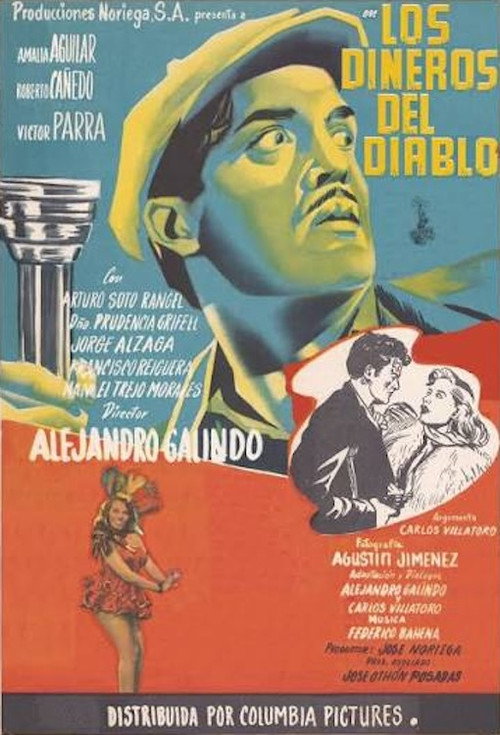
Alejandro Galindo
Runtime
85 minutes
Average Rating
No ratings yetNew Showbiz Analysis
The film serves as a significant piece of regional cinema that challenges Hollywood-centric narratives. By focusing on Mexican social dynamics, it offers a nuanced critique of capitalism and class struggle. While the film lacks contemporary markers of diversity, such as LGBTQ+ representation, it excels in its sociological depth. The director likely emphasizes systemic critiques over simplistic heroics. However, the film remains limited by the social norms of its time. It lacks explicit LGBTQ+ representation and adheres to traditional gender roles common in mid-century crime thrillers.
Category Breakdown
The film does not include any explicit representation of LGBTQ+ identities or same-sex relationships. It follows the typical romantic structures of 1953 Mexican crime dramas, which tend to center heterosexual relationships.
Amalia Aguilar’s casting suggests potential for a strong female presence. However, the film likely adheres to traditional gender roles where women serve as emotional support for male-driven narratives.
As a Mexican production, the film centers Mexican identity and explores internal class and ethnic differences within the country.
The narrative likely critiques the corrupting influence of wealth and capital. It portrays economic pressures and institutional structures as destabilizing forces.
There is no documented evidence of characters with visible or invisible disabilities within the film's records.
Present on Screen
Limited or Absent
Official Synopsis
Los dineros del diablo (The Devil's Money) is a Mexican drama film directed by Alejandro Galindo. It was released in 1953 and starring Amalia Aguilar and Roberto Cañedo.
1952

1950

1964

2019

1951
1963

1956

1950
No reviews yet. Be the first to share your thoughts on this movie!
Use the rating form above to leave a star rating and optional review.