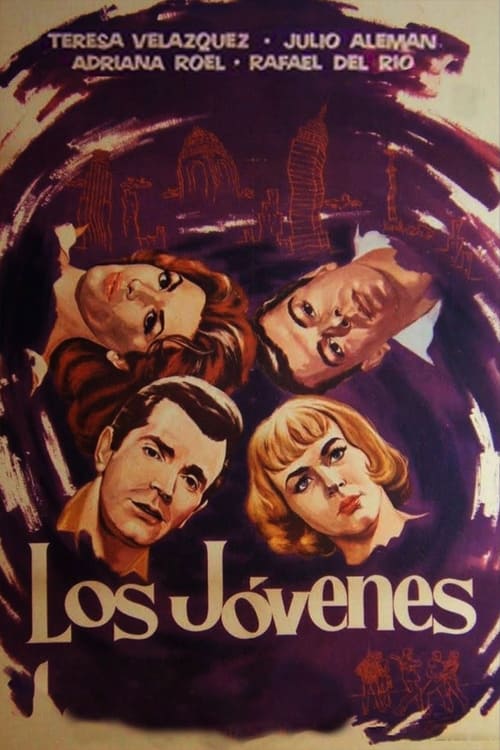
Los Jóvenes
1961
No user ratings available yet
Representation score: 5.0 out of 10
Representation Score
Limited
1950
Director
Alejandro Galindo
Runtime
100 minutes
Average Rating
No ratings yetNew Showbiz Analysis
Alejandro Galindo’s work stands as a vital cultural artifact that rejects colonialist perspectives by focusing on Mexican social dynamics. The film excels in its ethnic authenticity, providing a narrative that feels grounded in its specific national context. However, the film is limited by the era's social constraints. The focus remains heavily on masculine power struggles, leaving female characters in reactive roles and offering no visibility for LGBTQ+ identities. Ultimately, the film's strength lies in its critique of centralized power and socioeconomic inequality. It uses the tension between individuals and the state to explore the struggles of those underrepresented by oppressive structures.
Category Breakdown
The film follows a traditional framework that assumes everyone is straight or cisgender. Tensions arise from conventional romantic competition rather than issues related to gender identity.
Gender roles follow mid-century crime drama conventions. A female character provides the central hideout, but her role is mostly reactive to the male protagonists.
The film centers a predominantly Mexican cast, offering authentic representation of Mexican culture. This avoids the white-centric perspective common in Hollywood.
The narrative criticizes centralized power and economic inequality. It portrays the breakdown of old orders as a violent but necessary part of social evolution.
There is no significant evidence regarding the portrayal of physical or neurodivergent disabilities within the film.
Present on Screen
Limited or Absent
Official Synopsis
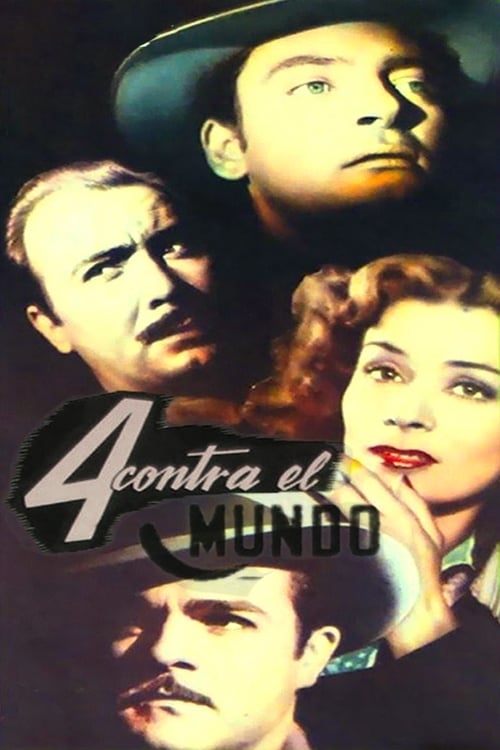
After ambushing a brewery’s money truck, four gangsters hide out in the attic of a gangster’s lover while the police search the city. As the heat closes in, jealousy, desire, and mistrust begin to fracture the gang from within.
1961
1955
1967

1949
1953

1974
1949
1971
No reviews yet. Be the first to share your thoughts on this movie!
Use the rating form above to leave a star rating and optional review.