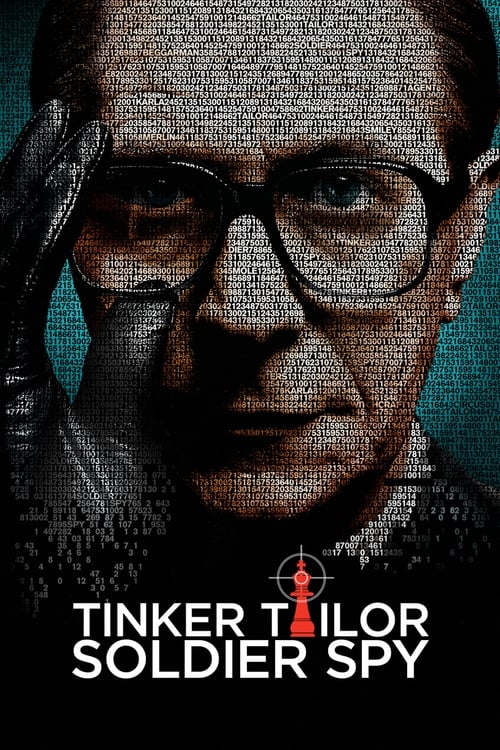
Tinker Tailor Soldier Spy
2011
No user ratings available yet
Representation score: 3.8 out of 10

Representation Score
Excellent
2005
RDirector
Fernando Meirelles
Runtime
129 minutes
Average Rating
No ratings yetNew Showbiz Analysis
Fernando Meirelles presents a sophisticated critique of global power structures. The film's strongest point is its post-colonial perspective, which effectively dismantles Western corporate and political dominance. By focusing on the impact of neo-colonialism in Kenya, it goes beyond just serving as a backdrop for the story. However, the film stays within conventional boundaries regarding certain identities. It lacks LGBTQ+ representation and sometimes uses the physical ailments of Kenyan characters to advance the protagonist's journey rather than giving those characters independent roles. Overall, the film succeeds as a critique of systemic power imbalances. It effectively challenges the morality of global capitalism and the historical power disparities between the West and the Global South.
Category Breakdown
The story focuses on a relationship that assumes everyone is straight or cisgender. It doesn't include significant roles for LGBTQ+ individuals or challenge the idea that everyone is straight or cisgender.
Tessa challenges the stereotype of a passive diplomat's wife by being the main driver of political action. She actively works to help others, which contrasts with the typical portrayal of a diplomatic spouse.
The film stands out by featuring a large Kenyan cast. It avoids the 'white savior' cliché by highlighting the systemic harm done to African populations by Western entities.
The narrative provides a strong critique of Western dominance and global capitalism. It depicts multinational corporations and governments as harmful and morally flawed.
The film addresses physical health issues caused by unsafe medical tests. However, it may use the suffering of underrepresented groups as a plot device rather than giving them independent roles.
Present on Screen
Limited or Absent
Official Synopsis
Justin Quayle is a low-level British diplomat who has always gone about his work very quietly, not causing any problems. But after his radical wife Tessa is killed he becomes determined to find out why, thrusting himself into the middle of a very dangerous conspiracy.
2011
1990
2009
1982
2011

2014

2010

1994
No reviews yet. Be the first to share your thoughts on this movie!
Use the rating form above to leave a star rating and optional review.