
L.A. Confidential
1997
No user ratings available yet
Representation score: 6.2 out of 10
Representation Score
Limited
1996
RDirector
Lee Tamahori
Runtime
107 minutes
Average Rating
No ratings yetNew Showbiz Analysis
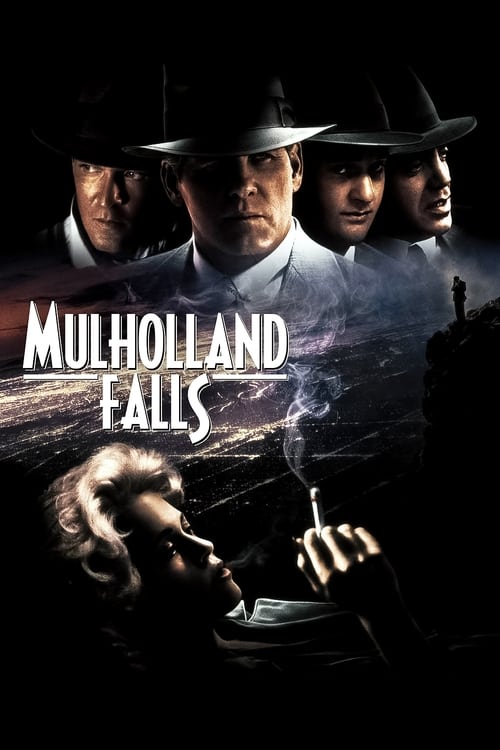
Mulholland Falls uses the noir genre to conduct a sophisticated critique of systemic racism and institutional corruption. It avoids romanticizing the 1950s, instead exposing the intersection of state authority and racial exclusion. While the film succeeds in making the racial identity of victims a central driver for the plot, it remains limited by traditional gender dynamics. The narrative focuses on male-driven investigations and treats women primarily as subjects of violence. Ultimately, the film's strength lies in its refusal to uphold the integrity of the state, opting instead to highlight the moral tension between institutional law and ethical justice.
Category Breakdown
The film does not include any LGBTQ+ characters or non-cisgender identities. The social environment is strictly heterosexual, reflecting the historical constraints of the 1950s setting.
Control over the narrative is almost entirely held by male protagonists. Female characters are mostly portrayed as victims or secondary figures within a patriarchal structure.
The film centers the investigation around the murders of Black women, forcing a confrontation with systemic disenfranchisement and avoiding the typical whitewashing found in period pieces.
The film critiques traditional Western institutions, presenting the police department as a corrupt entity. It deconstructs the 'law and order' archetype to highlight systemic oppression.
There are no prominent depictions of visible or invisible disabilities that serve as central character drivers or meaningful representations.
Present on Screen
Limited or Absent
Official Synopsis
In 1950s Los Angeles, a special crime squad of the LAPD investigates the murder of a young woman.
1997

1948

2011

1986

2006

1989

1992

1981
No reviews yet. Be the first to share your thoughts on this movie!
Use the rating form above to leave a star rating and optional review.