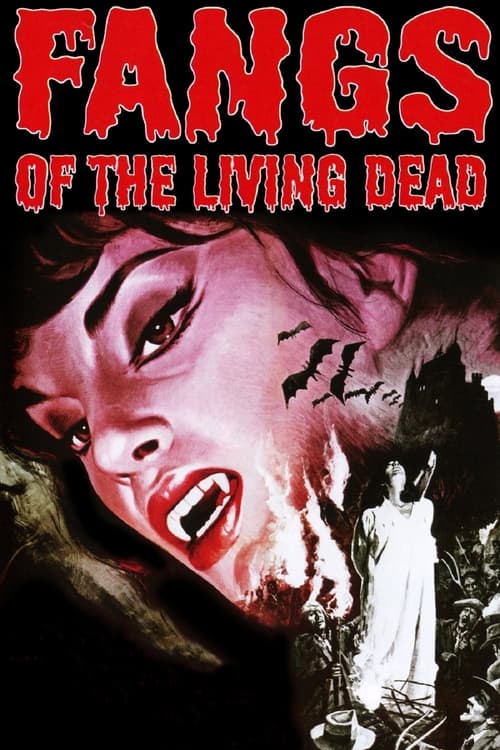
Fangs of the Living Dead
1969
No user ratings available yet
Diversity score: 2.2 out of 10

1996
Director
Francisco Rodríguez Gordillo
Runtime
91 minutes
Average Rating
No ratings yetSynopsis
1996 Spanish horror film that is the eleventh in a long series about the werewolf Count Waldemar Daninsky, played by Paul Naschy. Following his near-fatal heart attack in 1991, Naschy made this film as an intended comeback, but it was poorly distributed and received bad reviews.
Overall Score
Limited
Category Breakdown
LGBTQ+ Representation
The film adheres to traditional romantic structures common in mid-century horror. There is no evidence of non-cisnormative gender identities or narratives that critique heteronormativity.
Gender Representation
Female characters often serve as catalysts for the protagonist's struggle rather than driving the plot independently. The narrative relies on established gender roles without subverting traditional hierarchies.
Racial & Ethnic Diversity
The production maintains a relatively homogeneous cast typical of its era and genre. There is no indication of race-bent casting or diverse ethnic representation.
Religious & Cultural Diversity
The story functions within the conventional tropes of the supernatural thriller and werewolf mythos. It emphasizes clear moral binaries rather than deconstructing Western institutions or secularism.
Disability Representation
Lycanthropy is used as a traditional genre plot device rather than a nuanced exploration of disability. The werewolf curse functions as a metaphor for loss of control.
Strengths
Areas for Improvement
AI Analysis
Lycantropus: The Moonlight Murders is a traditional genre piece that prioritizes established horror tropes over social deconstruction. It functions within the classical framework of the Waldemar Daninsky series, focusing on the supernatural mythos rather than intersectional perspectives. The film reflects the localized casting norms and rigid social hierarchies of 1990s Spanish horror. It lacks the intentionality needed to disrupt conventional expectations regarding gender, race, or identity. Ultimately, the production serves as a period-specific example of genre cinema that adheres to historical norms rather than seeking to integrate diverse or modern narrative architectures.
1969
1962

1988
1964
1960
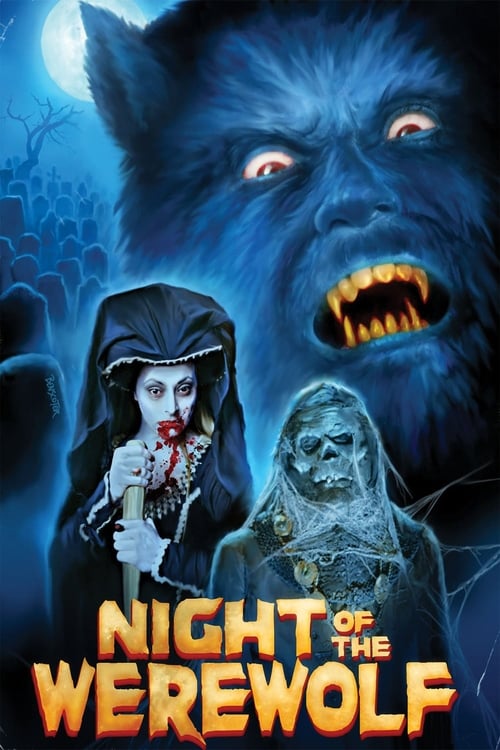
1981
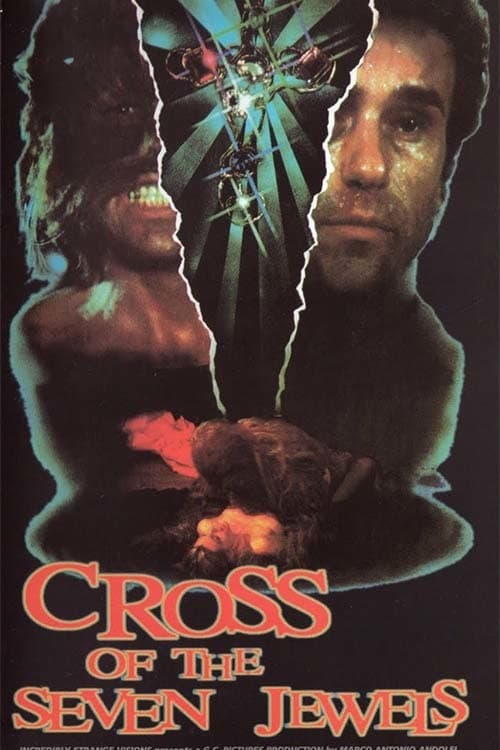
1987
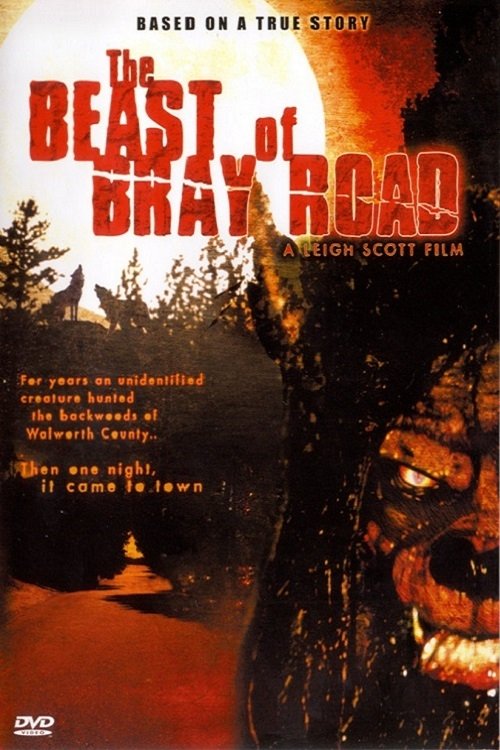
2005
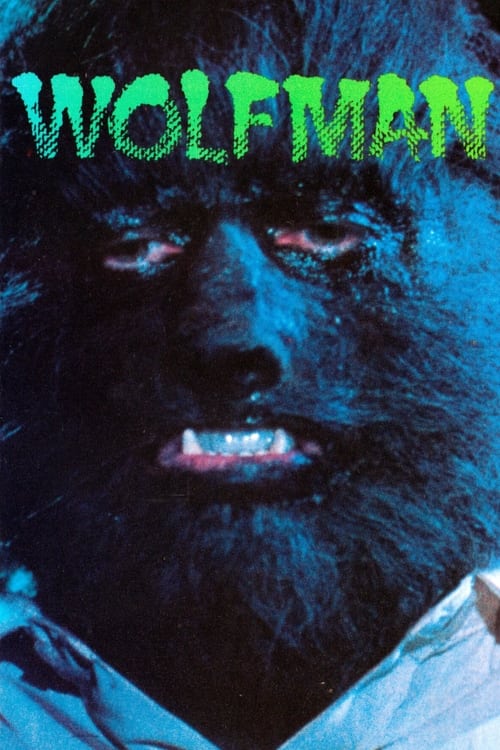
1979
1973
1973
1972
No reviews yet. Be the first to share your thoughts on this movie!
Use the rating form above to leave a star rating and optional review.