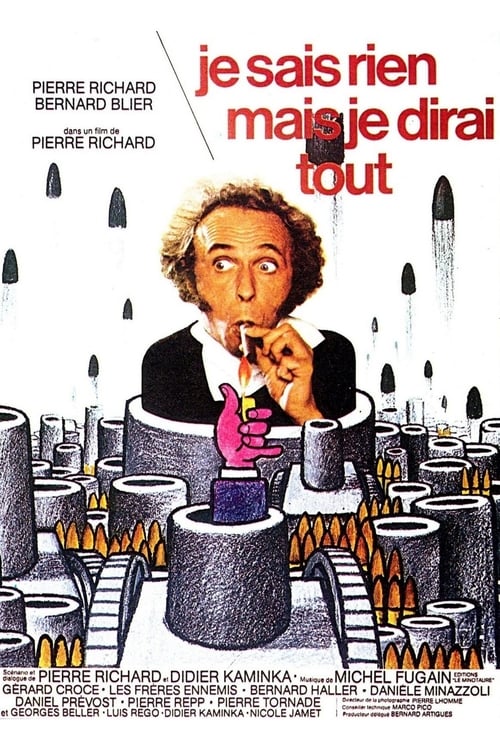
I Don't Know Much, But I'll Say Everything
1973
No user ratings available yet
Diversity score: 5.1 out of 10
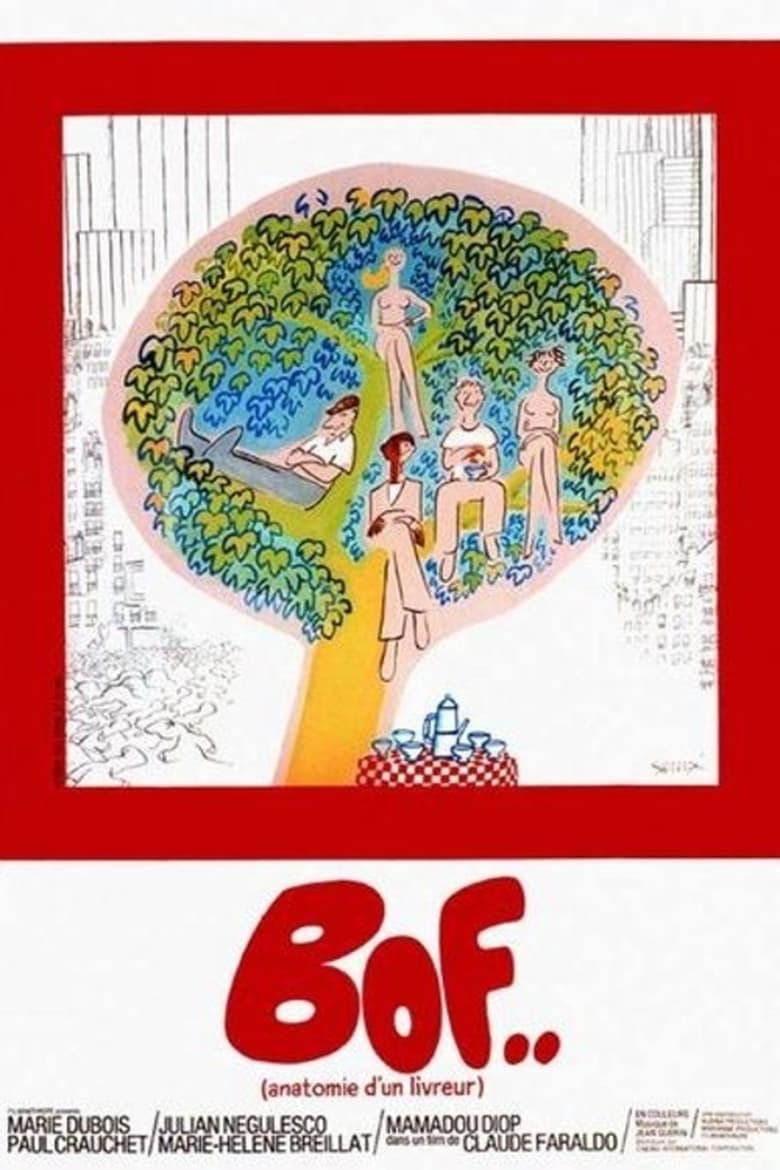
1971
Director
Claude Faraldo
Runtime
110 minutes
Average Rating
No ratings yetSynopsis
Experiencing something of a mid-life crisis after his beloved son marries and moves out, a factory worker makes some drastic changes in his life, moves in with the boy and his wife, and sets them all on the path to a communal lifestyle.
Overall Score
Fair
Category Breakdown
LGBTQ+ Representation
The film lacks explicit confirmation of non-cisnormative identities. However, the thematic shift toward communal living suggests a potential exploration of non-traditional social bonds.
Gender Representation
The story centers on a father, son, and daughter-in-law. The protagonist's mid-life crisis and subsequent actions appear to destabilize the traditional patriarchal domestic order.
Racial & Ethnic Diversity
The narrative focuses on a specific socio-economic class of factory workers. There is no evidence of a diverse or non-Anglo-Saxon majority cast.
Religious & Cultural Diversity
The film emphasizes communalism and collectivist social frameworks. It challenges the sanctity of the nuclear family by prioritizing group dynamics over traditional Western domestic institutions.
Disability Representation
There is no mention of characters possessing visible or invisible disabilities within the narrative.
Strengths
Areas for Improvement
AI Analysis
Claude Faraldo's comedy explores the deconstruction of the nuclear family through a protagonist's transition toward a communal lifestyle. This thematic focus provides a strong critique of traditional capitalist domesticity and individualistic social structures. While the film succeeds in cultural subversion, it lacks documented evidence of intersectional identity representation. The narrative remains centered on a specific Western socio-economic class without clear racial or LGBTQ+ visibility. Ultimately, the work functions as a social commentary on domestic hierarchies rather than a vehicle for diverse identity representation.
1973
1961

1981

1982
1979

2017

2006
1987
1964

1971

2007
1971
No reviews yet. Be the first to share your thoughts on this movie!
Use the rating form above to leave a star rating and optional review.