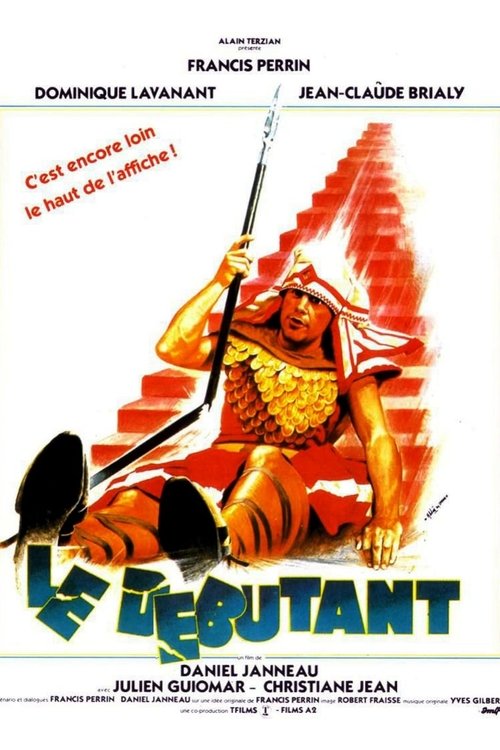
Le Débutant
1986
No user ratings available yet
Representation score: 2.3 out of 10
Representation Score
Limited
1980
Director
François Leterrier
Runtime
99 minutes
Average Rating
No ratings yetNew Showbiz Analysis
The film primarily serves as a character study of mid-life disillusionment. It offers a progressive critique by dismantling the idealized nuclear family, portraying the traditional provider role as a source of stagnation rather than fulfillment. However, the narrative is constrained by a singular male perspective. The absence of diverse racial and LGBTQ+ representation limits the scope to a narrow, socially homogeneous context. Ultimately, the film emphasizes individualistic artistic and romantic whims over broader demographic representation, focusing on class and professional status within a specific French social stratum.
Category Breakdown
The film does not include any LGBTQ+ characters or non-straight relationships. The story focuses solely on heterosexual relationships involving the male protagonist.
Gender dynamics revolve around the male protagonist's struggle with identity. Female characters influence his journey, but the story's direction remains centered on his decisions.
The story features a predominantly white cast within a French professional setting. There is no indication of racial diversity or casting that challenges historical norms.
The film examines traditional Western family structures by presenting domesticity as a burden. It explores themes of individual pursuits versus social and familial stability.
The narrative does not feature any characters with visible or invisible disabilities.
Present on Screen
Limited or Absent
Official Synopsis
Young dynamic executive, married and father of two children, Jérôme Ozendron dreams of writing and escaping a life he considers mediocre. The meeting with a former comrade, who had become an actor, brought him into contact with the world of cinema. He meets, Natacha, a cover girl, for whom he is ready to give up, wife and children. Then he becomes the lover of Lilianne, a marginal who persecutes and pursues him. He quit his job to devote himself to writing a novel. But nothing goes as he wants.
1986

1963
1987

1977
1982
1979
1987

1972
No reviews yet. Be the first to share your thoughts on this movie!
Use the rating form above to leave a star rating and optional review.