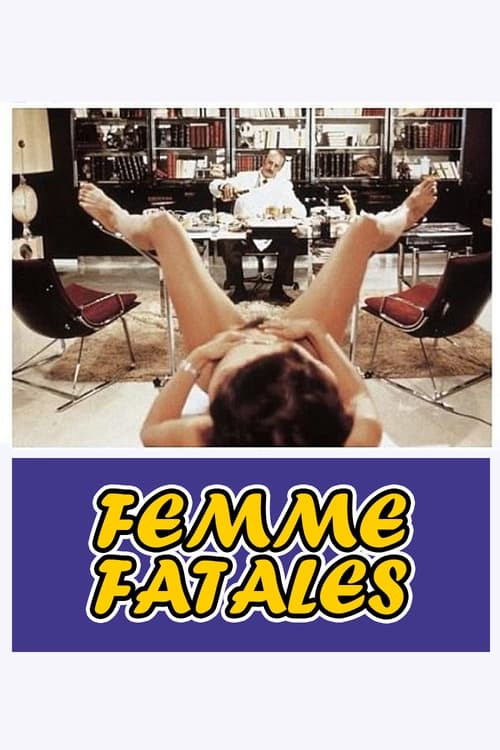
Femmes Fatales
1976
No user ratings available yet
Representation score: 5.9 out of 10
Representation Score
Limited
1974
Director
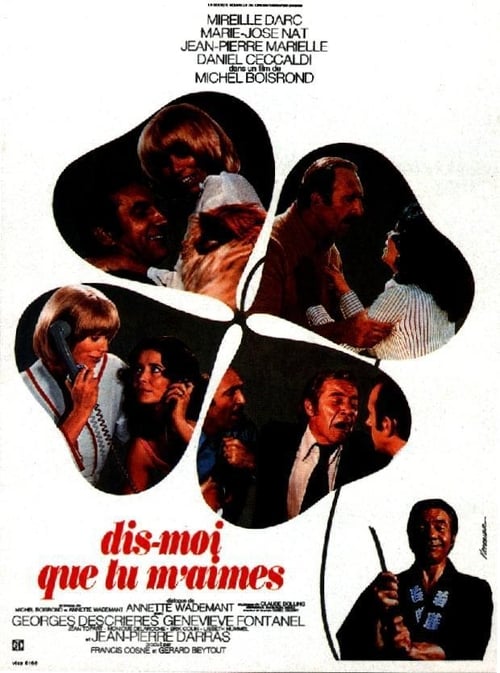
Michel Boisrond
Runtime
105 minutes
Average Rating
No ratings yetNew Showbiz Analysis
The film functions as a character study focusing on the breakdown of traditional social roles. It earns merit by showcasing women who achieve independence and personal freedom through professional success and personal choices, such as moving to rural areas. However, the film remains confined within the conventional demographic frameworks of the time. The lack of racial diversity and the absence of LGBTQ+ representation limit its broader social scope. Ultimately, while it challenges certain gender hierarchies, it operates within a largely homogeneous and straight-focused social structure.
Category Breakdown
The story focuses on the breakdown of heterosexual relationships. There is no indication of queer themes or non-straight identities in the narrative.
The film portrays a significant change in power dynamics. Women gain independence through professional careers or by leaving behind traditional domestic roles for unconventional lifestyles.
The story seems centered around a homogeneous social group. There is no sign of a diverse or non-Anglo-Saxon majority cast.
The film examines the breakdown of the traditional nuclear family. It highlights a shift towards individualist morality rather than traditional domestic responsibilities.
The narrative does not provide any information about characters with visible or invisible disabilities.
Present on Screen
Limited or Absent
Official Synopsis
Two couples, undermined by frequent scenes, fall apart: the men, Richard and Bertrand, directors of an advertising agency, move into their office; soon Lucien, their main client and friend, suffering from the same afflictions, joins them in this new bachelor life. For their part, the women regroup and organize themselves: Victoire absorbs herself in her work as a decorator; Charlotte, long submissive to Richard's personality, raises her head and finds a job; as for Pascaline, she runs off with Tabard, her husband Lucien's groom, to start raising sheep. These three crises, combined with a series of twists and turns, bring unexpected results for each of the couples.
1976
1969

1976
1986
1984
1985
1971
1970
No reviews yet. Be the first to share your thoughts on this movie!
Use the rating form above to leave a star rating and optional review.