
This Is Congo
2017
No user ratings available yet
Representation score: 6.9 out of 10
Representation Score
Fair
1999
Director
Haile Gerima
Runtime
97 minutes
Average Rating
No ratings yetNew Showbiz Analysis
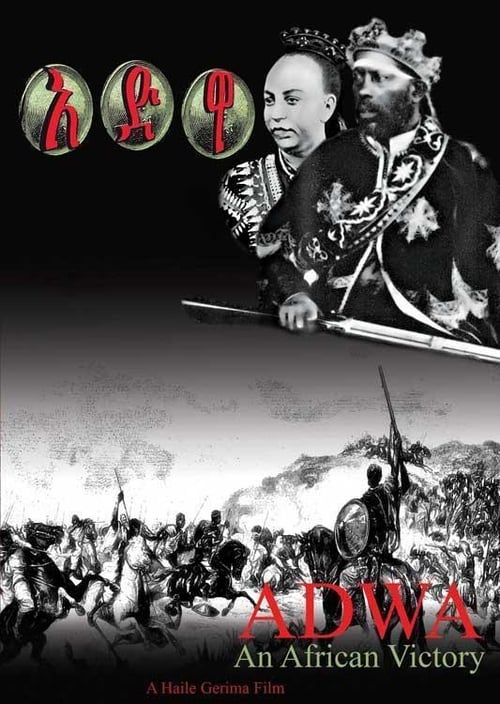
Haile Gerima’s work serves as a powerful decolonial reclamation of history. By centering the Ethiopian victory over Italian forces, the film replaces Eurocentric clichés with a narrative of African ability to act and strategic sovereignty. The film excels in racial and cultural representation, presenting a sophisticated counter-narrative to the historical whitewashing of African resistance movements. While the score is high due to its transformative impact, it is tempered by the absence of LGBTQ+ and disability-specific narratives, which are not present in this historical war drama.
Category Breakdown
The film does not include any LGBTQ+ characters or narratives. It focuses solely on the historical mobilization of the Ethiopian state and its traditional social structures.
Empress Taytu Betul plays a central role, exercising significant political and strategic influence. Her leadership challenges the stereotype of women as passive or secondary figures in wartime dramas.
The film features a predominantly non-Western cast in key historical roles. It highlights the military competence of the Ethiopian people without depicting them as victims.
The narrative criticizes Western imperialism and frames the defense of sovereignty as a moral imperative. It uses Ethiopian Orthodox Christianity as a lens for cultural identity rather than Western morality.
There are no prominent depictions of visible or invisible disabilities used as central plot devices or character traits within the historical context provided.
Present on Screen
Limited or Absent
Official Synopsis
In 1896, Ethiopia, an African nation, largely armed with spears and knives, defeats a well-equipped and organized Italian military bent on colonization.
2017
1981

2019
2011
2005

1966

1900
2006
No reviews yet. Be the first to share your thoughts on this movie!
Use the rating form above to leave a star rating and optional review.