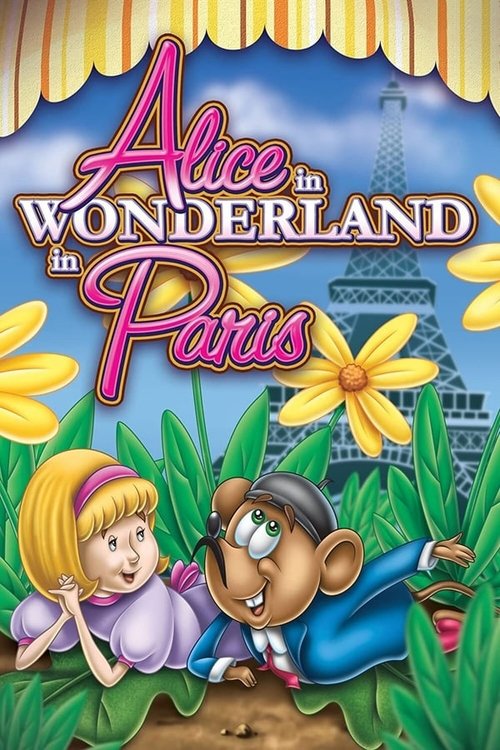
Alice of Wonderland in Paris
1966
No user ratings available yet
Representation score: 2.5 out of 10

Representation Score
Limited
1916
Director
Howard S. Moss
Runtime
7 minutes
Average Rating
No ratings yetNew Showbiz Analysis
Mary and Gretel is a surrealist fantasy that prioritizes dream-like logic over social complexity. Although it breaks from traditional male-centric hero archetypes by focusing on two female characters, the narrative lacks depth in representing diverse identities or systemic issues. The film operates within the narrow social and cinematic boundaries of the early 20th century. It offers a whimsical, experimental experience but fails to engage meaningfully with diverse identities or systemic critiques. Ultimately, the work serves as a stylistic fable rather than a progressive narrative, resulting in a low diversity profile.
Category Breakdown
The film does not include any characters with LGBTQ+ identities. The story revolves around a surreal fable without showing any same-sex relationships or queer character development.
The story focuses on two female protagonists, Mary and Gretel. However, their bewildered state suggests they might act more as passive observers rather than active agents.
There is no indication of a diverse cast or ethnic variety. The film seems to follow the homogeneous casting practices typical of the 1916 silent era.
Surreal elements like bowling dwarfs disrupt traditional moral stories. While it embraces dream-like logic, it does not engage with specific cultural or institutional critiques.
No characters with visible or invisible disabilities are mentioned in the narrative. The synopsis does not indicate any disability representation.
Present on Screen
Limited or Absent
Official Synopsis
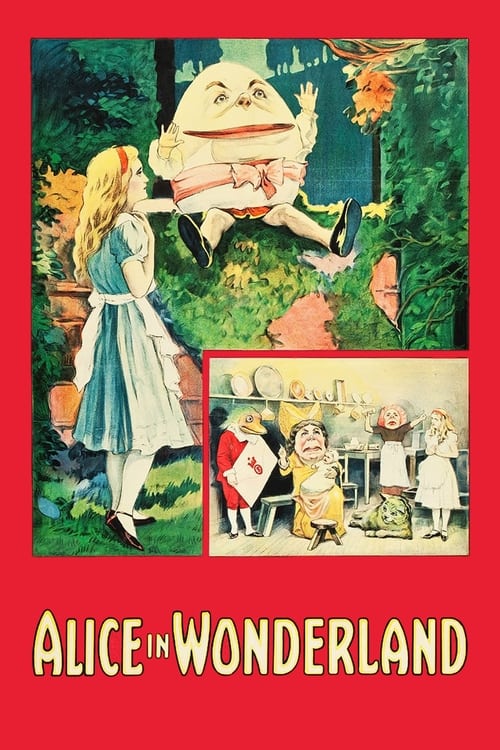
Alice in Wonderland meets the Garden of Eden in this surreal fable of a drunk rabbit, bowling dwarfs, and the two bewildered girls of the title.
1966

1982

1934
1981
1993
1968
1915
2000
No reviews yet. Be the first to share your thoughts on this movie!
Use the rating form above to leave a star rating and optional review.