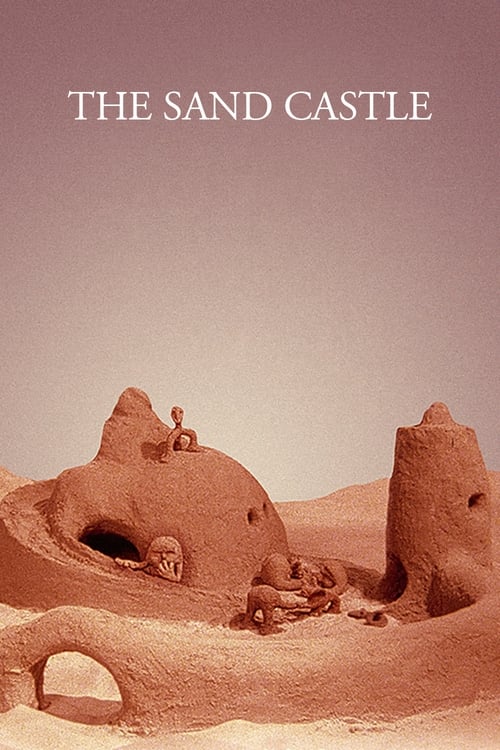
The Sand Castle
1977
No user ratings available yet
Representation score: 0.6 out of 10
Representation Score
Good
1968
Director
Faith Hubley, John Hubley
Runtime
9 minutes
Average Rating
No ratings yetNew Showbiz Analysis
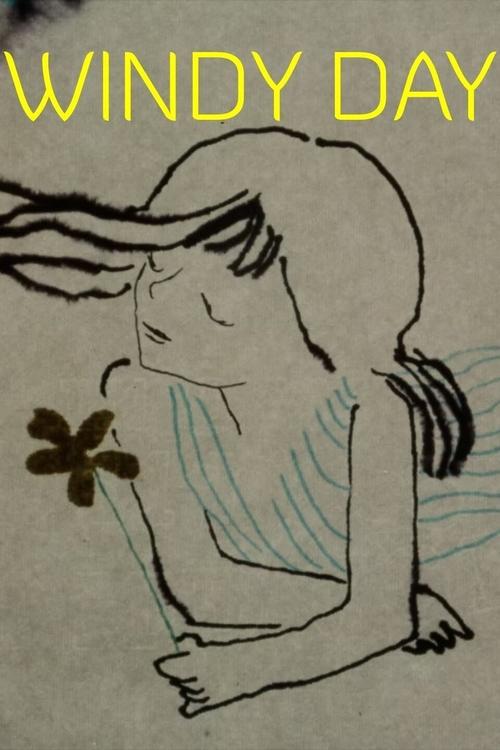
Windy Day stands as a significant piece of mid-century experimentalism that rejects rigid social hierarchies common in 1968 media. By prioritizing psychological depth over commercial clichés, the Hubleys create a space for intellectual curiosity. The film's strength lies in its refusal to adhere to didactic moralizing, offering a fluid, subjective storytelling style that centers the ability to act of its young female protagonists. While the work lacks overt identity politics or specific group representation, its structure challenges traditional visual norms.
Category Breakdown
The abstract animation avoids reinforcing traditional romantic visuals. While no explicit LGBTQ+ identities are shown, the focus is on existential exploration rather than conventional romance.
The film highlights the imaginative play of two young girls, emphasizing their intellectual and creative autonomy. This challenges 1960s standards by focusing on their internal worlds.
The stylized animation avoids defining specific racial or ethnic markers. This abstraction avoids reinforcing singular racial norms without centering specific diverse identities.
The narrative emphasizes subjective sensory experience over religious or institutional doctrines. It favors a fluid, existentialist framework over rigid Western social structures.
No physical or neurodivergent disabilities are explicitly shown. However, the film validates diverse ways of interpreting and experiencing reality.
Present on Screen
Limited or Absent
Official Synopsis
Two little girls muse on marriage and babies, love and death as they create and act out plays in their backyard. Preserved by the Academy Film Archive in partnership with New York Women in Film & Television in 2006.
1977
1989
1975

1916
2017
1969
1983
1949
No reviews yet. Be the first to share your thoughts on this movie!
Use the rating form above to leave a star rating and optional review.