Alice in Wonderland
1981
No user ratings available yet
Representation score: 3.1 out of 10
Representation Score
Fair
1982
Director
Yefrem Pruzhanskyi
Runtime
39 minutes
Average Rating
No ratings yetNew Showbiz Analysis
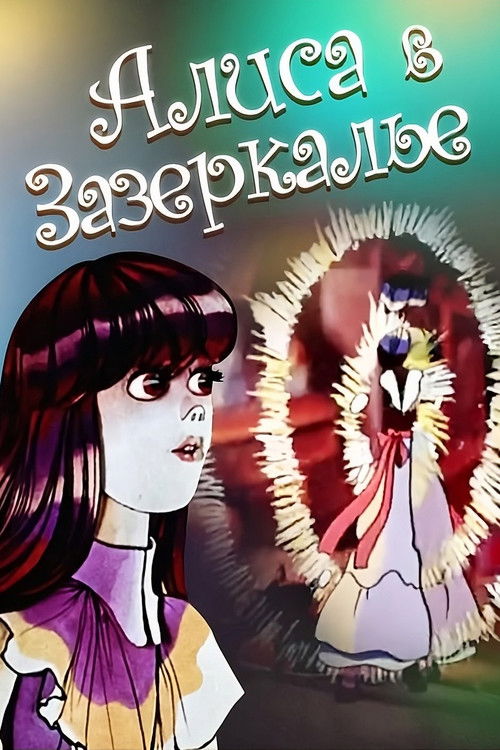
Alice Through the Looking Glass (1982) operates as a stylized, surrealist fantasy that prioritizes philosophical abstraction over social identity. The film centers on a female lead navigating a complex, rule-based world, providing a baseline of gendered ability to act within a highly structured environment. However, the film's reliance on archetypal chess figures and mythical creatures abstracts most human demographics. This results in a lack of racial, ethnic, or LGBTQ+ specificity, as the characters function more as symbolic entities than diverse human representations. Ultimately, the work is a traditional narrative that avoids rigid social structures through its dream-like logic but lacks intentional multi-layered complexity or demographic subversion.
Category Breakdown
The film does not include explicit LGBTQ+ characters or non-cisgender identities. The surreal mirror land allows for identity fluidity, but the narrative follows traditional fairy tale structures.
Alice serves as a central female protagonist who must intellectually navigate a rigid chess hierarchy. She plays a significant role in driving the story, though the film follows standard heroine clichés.
Race is largely abstracted through chess figures and fantastical creatures. The characters function as archetypes rather than ethnic representations, resulting in a neutral demographic profile.
The narrative favors surrealism and philosophical abstraction over traditional Western didacticism. This dream-like reality moves away from rigid institutional or religious frameworks.
There is no verifiable evidence regarding the depiction of physical or neurodivergent disabilities. The fantastical nature of the characters makes such an assessment impossible.
Present on Screen
Limited or Absent
Official Synopsis
The second adventure of Alice who steps through the looking glass and finds herself in a wonderful mirror land populated by chess figures and weird creatures.
1981

1957
1987
1989
2000

1916
1969
1966
No reviews yet. Be the first to share your thoughts on this movie!
Use the rating form above to leave a star rating and optional review.