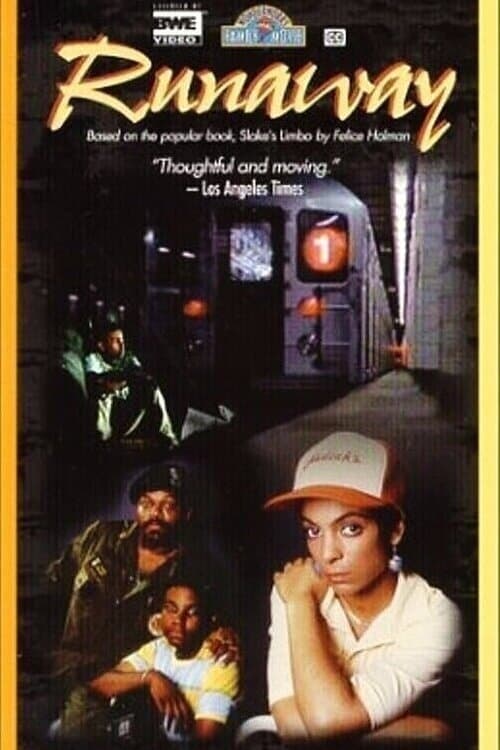
Runaway
1989
No user ratings available yet
No diversity score available
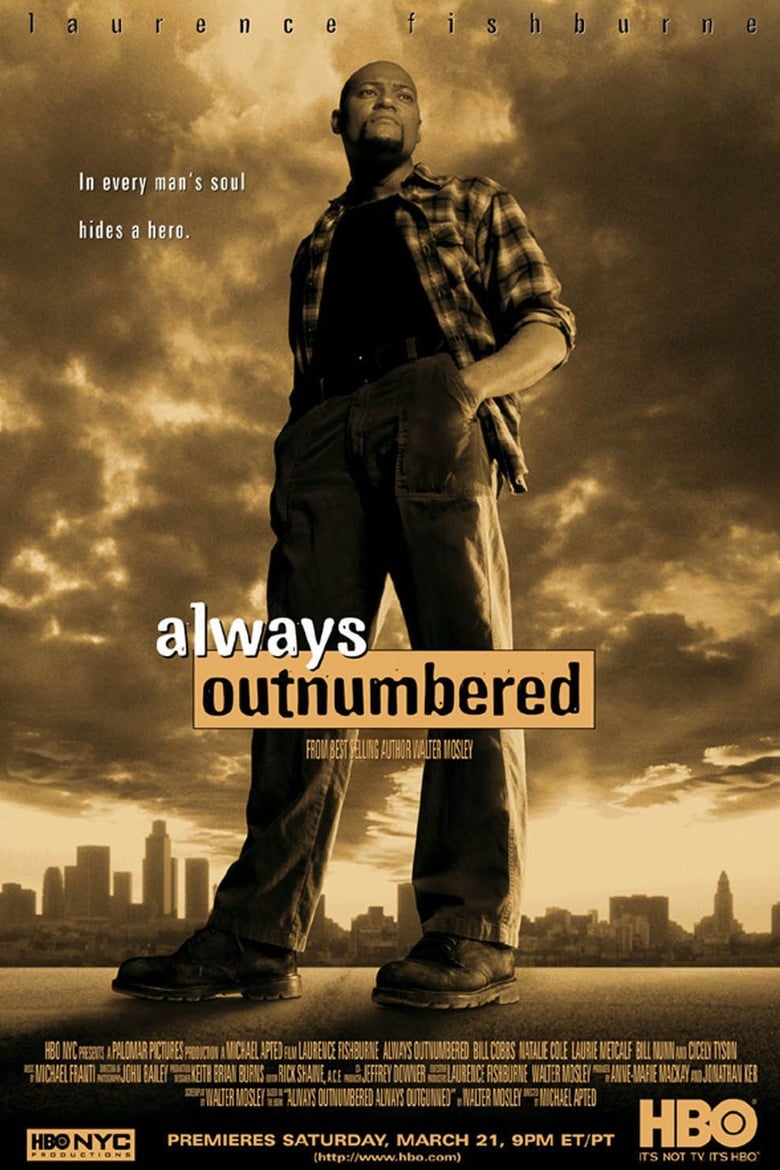
1998
RDirector
Michael Apted
Runtime
104 minutes
Average Rating
No ratings yetSynopsis
An ex-con moves to L.A. to find work and creates a disturbance by fighting for a position. More importantly he touches the lives of many of his neighbors including an older man dying of cancer, a young married couple whose husband is too proud to accept a lesser position which causes strife with his wife, and a young boy on the verge of getting in trouble with street gangs.
Overall Score
Fair
Category Breakdown
LGBTQ+ Representation
The film lacks explicit mention of LGBTQ+ characters or non-heteronormative identities. The narrative focus remains centered on traditional familial and neighborly structures.
Gender Representation
Domestic strife is highlighted through a young married couple struggling with professional pride. However, the story does not demonstrate a systemic subversion of gender hierarchies or significant female agency.
Racial & Ethnic Diversity
Set in Los Angeles with themes of street gangs, the film implies a multi-ethnic urban environment. There is no explicit confirmation of a non-white majority cast or intersectional arcs.
Religious & Cultural Diversity
The story explores the struggles of marginalized individuals, such as an ex-con and youth at risk of gang involvement. It examines social instability and the complexities of urban survival.
Disability Representation
A character facing terminal cancer introduces themes of chronic illness and mortality. It remains unclear if this character possesses agency or serves primarily as a narrative device.
Strengths
Areas for Improvement
AI Analysis
Always Outnumbered functions as a conventional social drama that examines human frailty through a localized lens. By centering on an ex-convict navigating Los Angeles, the film explores the friction between individual agency and systemic social pressures. The narrative utilizes characters on the periphery of success—such as a dying man and a youth facing gang influence—to critique social stability. While these elements provide a study of a fractured social ecosystem, the film lacks overt subversion of traditional hierarchies. Ultimately, the work focuses on individual impact within a community rather than a deliberate deconstruction of systemic power structures. It remains a character-driven study of interpersonal dynamics and social friction.
1989
1989
2008
1998

1999

2008

1980
1996

2014
2005
1999
2005
No reviews yet. Be the first to share your thoughts on this movie!
Use the rating form above to leave a star rating and optional review.