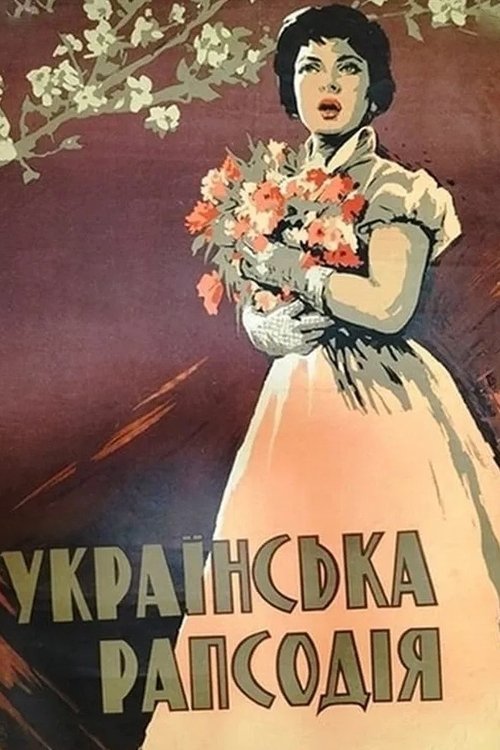
Ukrainian Rhapsody
1961
No user ratings available yet
Representation score: 4.6 out of 10
Representation Score
Fair
1954
Director
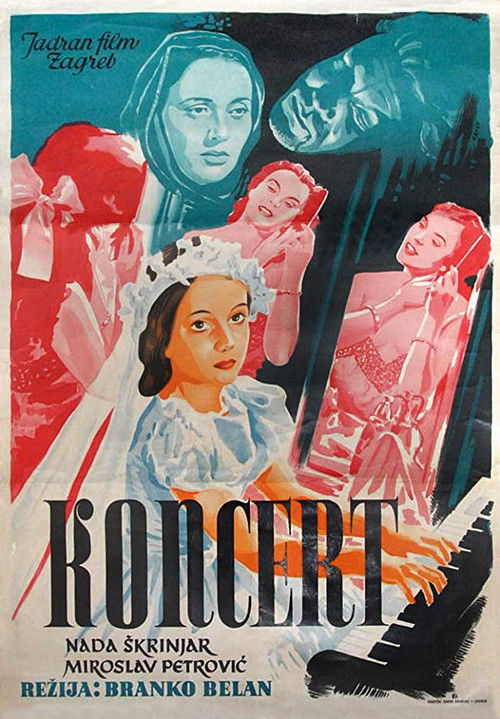
Branko Belan
Runtime
96 minutes
Average Rating
No ratings yetNew Showbiz Analysis
Branko Belan’s work employs social realism to explore the intersection of personal memory and historical upheaval. By focusing on a female piano teacher, the film shifts the emphasis from traditional heroic war narratives to a more introspective, psychological viewpoint. The film successfully presents a multifaceted view of post-war reconstruction through a multi-ethnic Balkan lens. It avoids simplistic nationalist messaging by highlighting how political shifts isolate individuals. However, the film lacks explicit representation of LGBTQ+ identities and does not feature characters with disabilities. Its diversity is more rooted in historical and cultural complexity rather than in contemporary identity markers.
Category Breakdown
The film does not include any explicit representations of LGBTQ+ characters or non-straight relationships. Although the protagonist's reclusive nature might suggest room for exploring identity, no such representation is present.
Ema serves as the emotional core, providing a female perspective on historical liberation. This shifts the focus away from typical masculine-centric war stories, though she may still follow traditional reclusive or melancholic character clichés.
Set during the liberation of a Yugoslav city, the film highlights a multi-ethnic Balkan context. The presence of diverse student groups suggests a move away from the homogeneous perspectives of Western cinema.
The narrative delves into subjective morality and the interplay between art and politics. It examines how historical events and systemic changes affect individual memory and societal structures.
The film does not mention any characters with physical or neurodivergent disabilities.
Present on Screen
Limited or Absent
Official Synopsis
Celebrating the end of World War II and liberation of their city, a group of students is set on holding a cultural evening. They invite Ema, a reclusive piano teacher from the same building, to play for them. Ema declines, but starts reminscing back on her own life and the historical events that have seemingly overshadowed it.
1961
1956
1947

1959
2017
2011
1959
1967
No reviews yet. Be the first to share your thoughts on this movie!
Use the rating form above to leave a star rating and optional review.