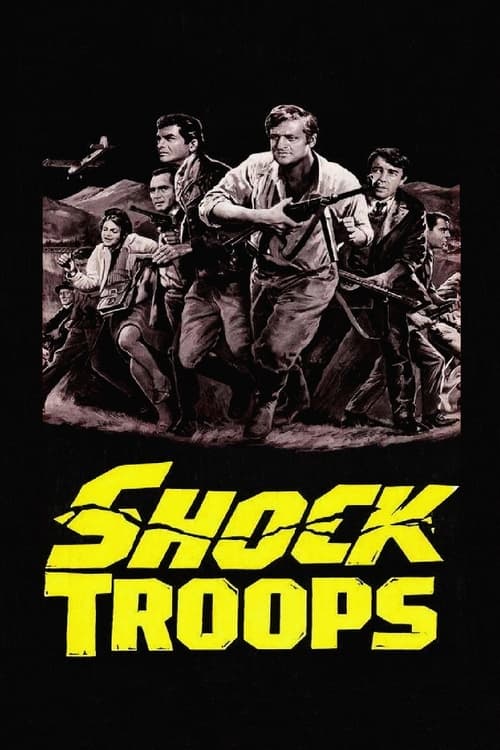
Shock Troops
1967
No user ratings available yet
Representation score: 1.8 out of 10
Representation Score
Limited
1967
ApprovedDirector
Ralph Nelson
Runtime
106 minutes
Average Rating
No ratings yetNew Showbiz Analysis
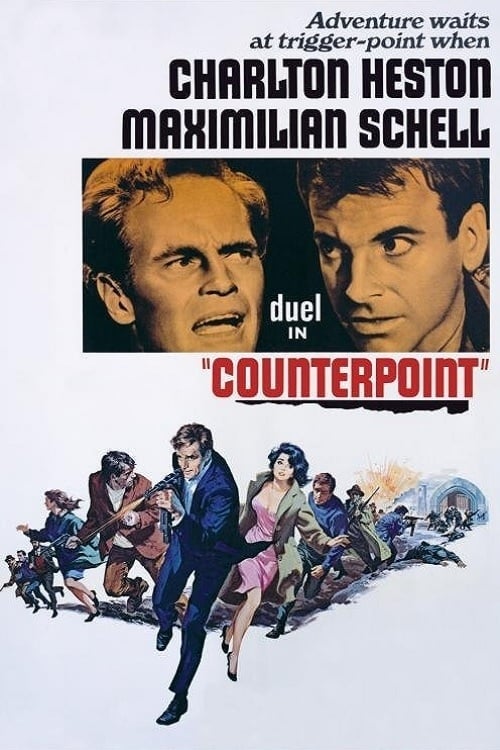
Counterpoint is a period war drama that emphasizes individual influence and the tension between cultural and military contexts. Despite offering moral complexity through the lens of a civilian artist navigating a military aggressor, the film remains anchored in the cinematic conventions of 1967. The narrative structure focuses on masculine-coded environments, particularly military command and orchestral leadership. This narrow focus restricts the range of social perspectives portrayed. Ultimately, the film lacks the layered complexity or deliberate challenge to social hierarchies needed to transcend the traditional, homogeneous depiction of the era.
Category Breakdown
The film adheres to the social norms of the mid-1960s and does not include any LGBTQ+ characters or narratives that question the assumption that everyone is straight.
The story centers around a male-dominated environment, featuring a symphony orchestra and a German tank division. It emphasizes traditional masculine hierarchies and leadership roles.
The story focuses on Western European and American actors set in Belgium and Luxembourg. It mirrors the demographic uniformity common in 1960s studio productions.
The film explores the interplay between art and conflict through music. While it introduces moral complexity, the narrative framework stays within the traditional wartime storytelling.
There is no information about the portrayal of physical or neurodivergent disabilities in this production.
Present on Screen
Limited or Absent
Official Synopsis
In December of 1944, Lionel Evans, an internationally renowned American conductor, is on a USO tour with his 70-piece symphony orchestra in newly-liberated Belgium. While fleeing from a German counterattack, Evans and his orchestra members are captured by a Panzer division and taken to an old chateau in Luxembourg. Despite orders to execute every prisoner, General Schiller, an avid music lover, commands Evans to give a private concert for him.
1967
1956

1966
1966
1959
1964
1976
1941
No reviews yet. Be the first to share your thoughts on this movie!
Use the rating form above to leave a star rating and optional review.