Esta tierra es mía
1961
No user ratings available yet
Representation score: 2.4 out of 10
Representation Score
Limited
1959
Director
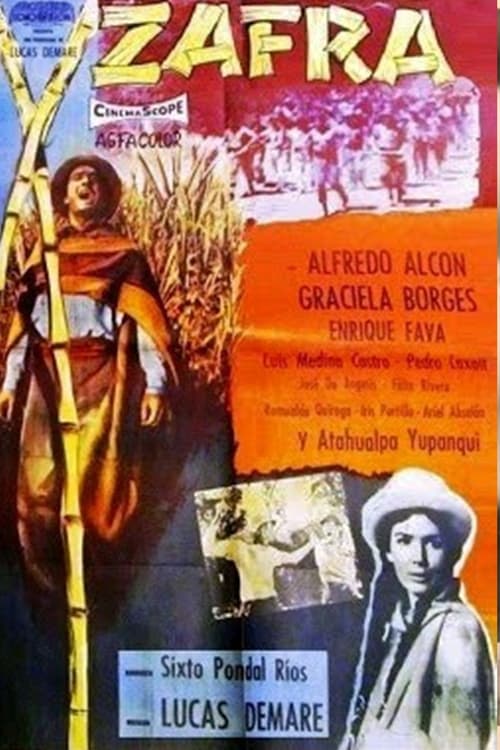
Lucas Demare
Runtime
77 minutes
Average Rating
No ratings yetNew Showbiz Analysis
Lucas Demare’s social realism provides a foundation for exploring class-based power dynamics and systemic hardship. The film shifts focus from individual heroes to the collective experience of cane cutters in Northern Argentina. While the film successfully critiques economic hierarchies and industrial progress, it lacks visibility for diverse identities. The narrative's strength lies in its socioeconomic critique rather than diverse identity representation. Ultimately, the film's impact is rooted in its portrayal of labor struggles, though it remains limited by the traditional social structures typical of 1950s cinema.
Category Breakdown
The film does not include any LGBTQ+ characters or narratives that challenge traditional heterosexual relationships. There is no indication of queer representation within the historical context of this production.
Specific character data is unavailable to confirm gender dynamics. However, the era and genre suggest the film likely adheres to traditional gender roles within labor-focused social dramas.
Set in Northern Argentina, the film focuses on regional cane cutters. This suggests a narrative centered on the working class rather than Eurocentric or urban-elite perspectives.
The narrative critiques established economic structures by framing labor conditions as miserable. It aligns with anti-capitalist themes, portraying the agricultural system as a source of systemic suffering.
No specific instances of disability representation or neurodivergent character arcs are identified. The records provide no information regarding characters with disabilities.
Present on Screen
Limited or Absent
Official Synopsis
A social drama centered on the miserable conditions experencied by cane cutters in Argentina's north.
1961
1963

1958

1984
1958

1970

1974
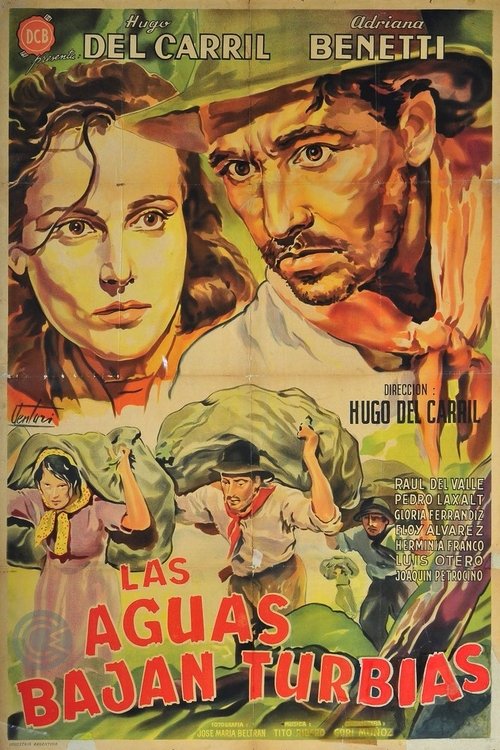
1952
No reviews yet. Be the first to share your thoughts on this movie!
Use the rating form above to leave a star rating and optional review.