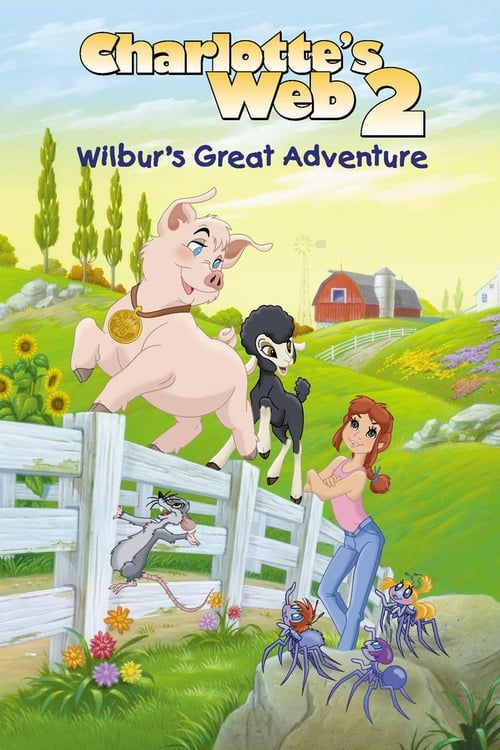
Charlotte's Web 2: Wilbur's Great Adventure
2003
No user ratings available yet
Representation score: 7.3 out of 10
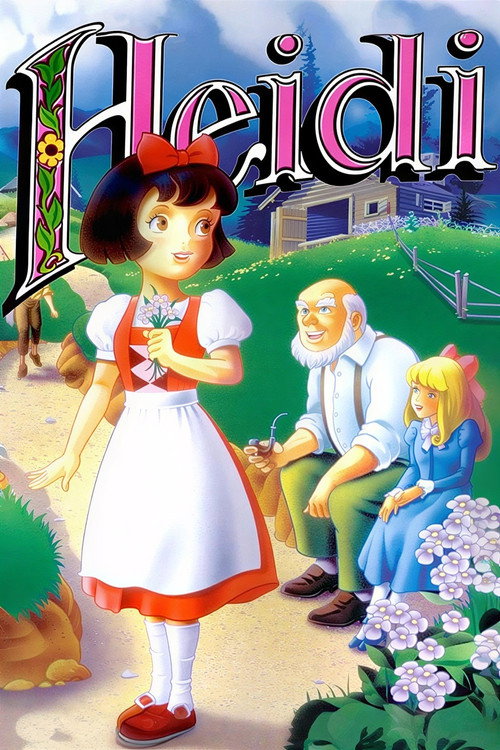
Representation Score
Good
1995
Not RatedDirector
Toshiyuki Hiruma, Takashi Masunaga
Runtime
47 minutes
Average Rating
No ratings yetNew Showbiz Analysis
This adaptation excels in creating emotionally rich landscapes centered around female protagonists. It challenges traditional authority by emphasizing the ability to act of young women. The film also offers a nuanced portrayal of physical disability, focusing on Klara's journey towards social integration. However, the production lacks modern multi-layered markers. The narrative is ethnically homogeneous and does not include any LGBTQ+ representation, sticking to traditional social structures. Overall, the film serves as a traditional character study that highlights emotional intelligence and natural autonomy over rigid societal norms.
Category Breakdown
The film does not include any explicit LGBTQ+ relationships or non-cisgender identities. Instead, it focuses on platonic friendships and family bonds.
Female characters play key roles in driving the plot through their resilience and empathy. Heidi significantly influences her grandfather's and Klara's lives.
The cast is shown as ethnically uniform within a traditionally European setting. There is no indication of multi-ethnic blending in this Japanese adaptation.
The story contrasts the freedom of nature with the structured environments of urban Frankfurt. It emphasizes emotional truth over strict institutional rules.
Klara's character explores social isolation and the journey toward taking control of her life. The film avoids focusing solely on tragedy by highlighting her desire for integration.
Present on Screen
Limited or Absent
Official Synopsis
After charming her reclusive grandfather and falling in love with the beautiful mountain he calls home, Heidi is uprooted and sent to Frankfurt where she befriends Klara, a young girl confined to a wheelchair.
2003
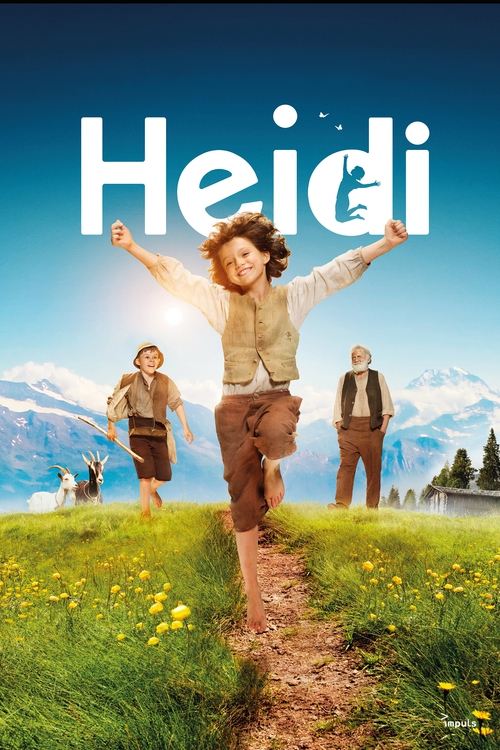
2015
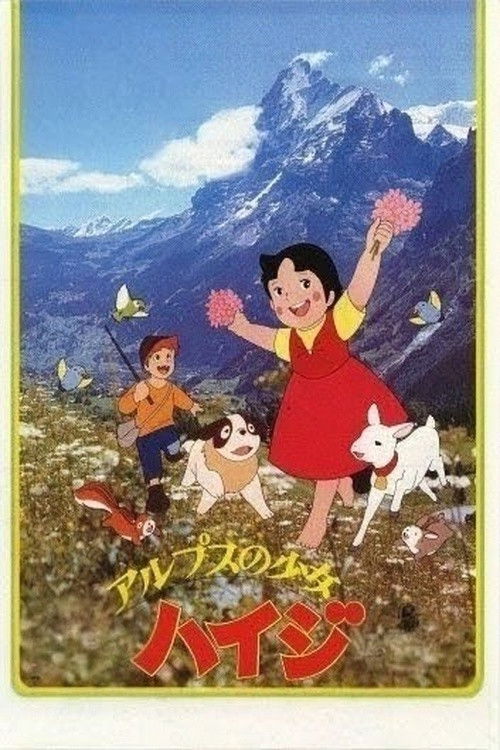
1979

1937
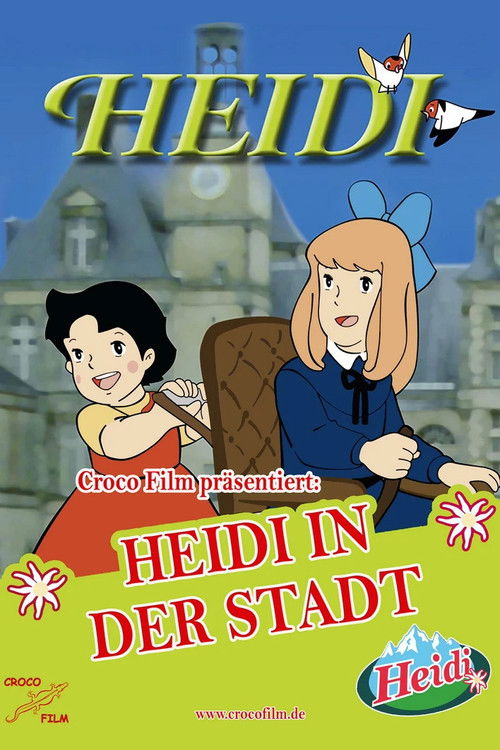
1977
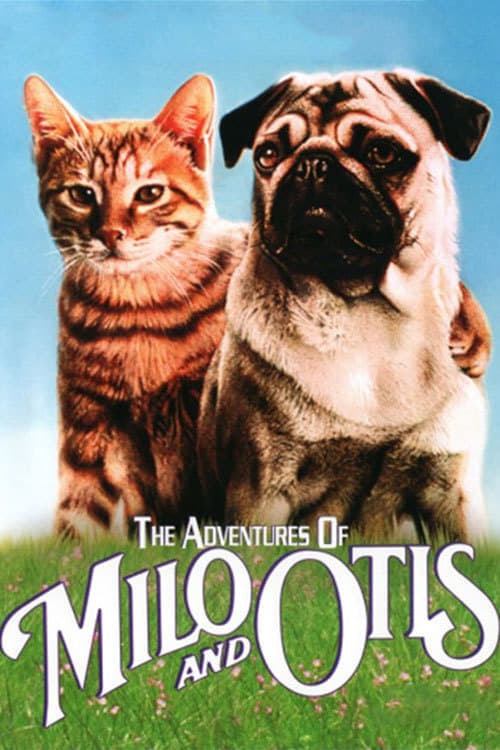
1986

2015
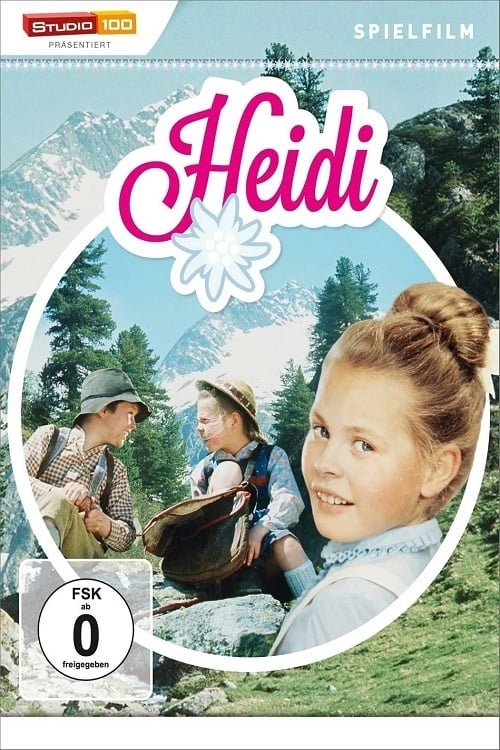
1965
No reviews yet. Be the first to share your thoughts on this movie!
Use the rating form above to leave a star rating and optional review.