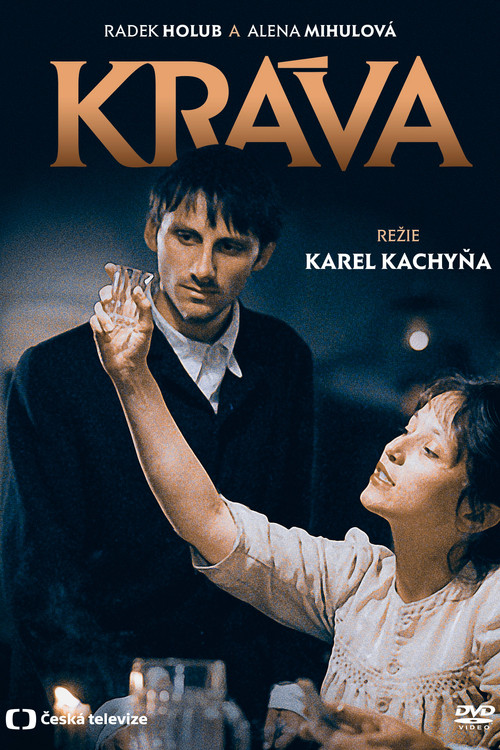
The Cow
1996
No user ratings available yet
Representation score: 6.5 out of 10

Representation Score
Good
1985
RDirector
Fredi M. Murer
Runtime
120 minutes
Average Rating
No ratings yetNew Showbiz Analysis
Alpine Fire stands out from typical period dramas by focusing on non-traditional intimacy and disrupting the conventional family structure. The film successfully incorporates disability into the character's identity without relying on sentimental clichés. While the film excels in challenging social and gender hierarchies, it remains highly localized. Set in an Alpine community, it lacks racial and ethnic diversity, focusing instead on the insular life of the region. Ultimately, the film's strength lies in its willingness to challenge biological and social norms, offering a nuanced look at characters living on the fringes of organized society.
Category Breakdown
The film centers on a transformative relationship between Belli and Franzi, which challenges traditional heterosexual norms. This relationship includes a central pregnancy arc that disrupts social expectations.
Belli plays a significant role in the story, holding emotional and reproductive control. The narrative challenges traditional gender hierarchies by presenting a father figure defined by punitive exile rather than stable leadership.
The cast is a homogeneous European group. The story focuses strictly on the insular dynamics of an Alpine community without engaging with broader racial diversity.
The film portrays the family as a site of tension, challenging traditional Western institutions. It prioritizes subjective morality over organized religious or social dogma.
Franzi’s deafness is integrated into the narrative fabric rather than used as a plot device. He maintains a central role in the romance through his physical labor and emotional involvement.
Present on Screen
Limited or Absent
Official Synopsis
A year on an Alpine farm: an older couple have two children, Belli, who wanted to be a teacher, and the younger Franzi, deaf, and although he works like a man, child-like. Belli teaches him. In his work, he can become frustrated, so when he throws an expensive mower over a cliff in a fit of pique, his father banishes him to the outskirts of the farm, where he uses pubescent energy to break rocks and build walls and cairns. (It's the tradition of the father's family, called "The Irascibles" by neighbors, to spend puberty doing this.) Belli visits him and they begin sleeping together. By winter, the boy is back in the house and Belli is pregnant. Soon her parents must know.
1996
1978
2014
2013
2017
2008
2018

1984
No reviews yet. Be the first to share your thoughts on this movie!
Use the rating form above to leave a star rating and optional review.