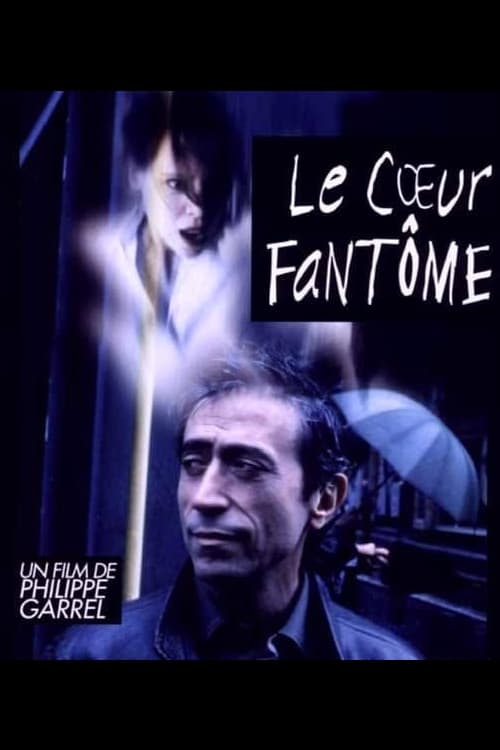
The Phantom Heart
1996
No user ratings available yet
Representation score: 5.4 out of 10

Representation Score
Fair
2003
UDirector
Raphaël Bassan
Runtime
45 minutes
Average Rating
No ratings yetNew Showbiz Analysis
Lucy en Miroir is a philosophical drama that emphasizes emotional and intellectual complexity over traditional linear storytelling. It pays homage to the French New Wave, particularly Godard's work, to explore the intersection of art and memory. The film's main strength lies in its subversion of gendered power dynamics. By portraying the male artist as dehumanized by his art, the narrative elevates the female perspective as the primary lens for understanding reality. However, it remains limited by a lack of explicit representation regarding LGBTQ+ identities or racial diversity.
Category Breakdown
The story focuses on two women who share a history with a single man. There is no clear indication of queer romantic relationships or non-straight identities.
The film challenges traditional power structures by emphasizing female subjectivity. It portrays the male artist as dehumanized by his art, shifting the focus of power to the women.
The film seems to follow a European cinematic tradition. There is no specific mention of the ethnic makeup of the cast or efforts towards diverse casting.
The film embraces postmodern skepticism and moral relativism. It prioritizes the emotional reality of memory over objective truths, critiquing obsessive pursuits.
The plot does not include neurodivergence, physical disabilities, or mental health conditions as central elements of the character arcs or narrative.
Present on Screen
Limited or Absent
Official Synopsis
The fortuitous meeting of two women to the identical first name, Lucy, who formerly loved the same man, Jonathan, induced, in this film, of the polysemous variations on the memory, art, and the difficult relationship between creation and emotional life. Dehumanized by an exclusive artistic practice, the man lost his reference marks little by little. "Lucy en miroir" wants to be, also, a shifted and transverse second reading of "The Contempt" ("Le Mépris") of Godard, by a step more plastic than analytical or conclusive.
1996
1974
1992

1963

2017

1996
1989
2007
No reviews yet. Be the first to share your thoughts on this movie!
Use the rating form above to leave a star rating and optional review.