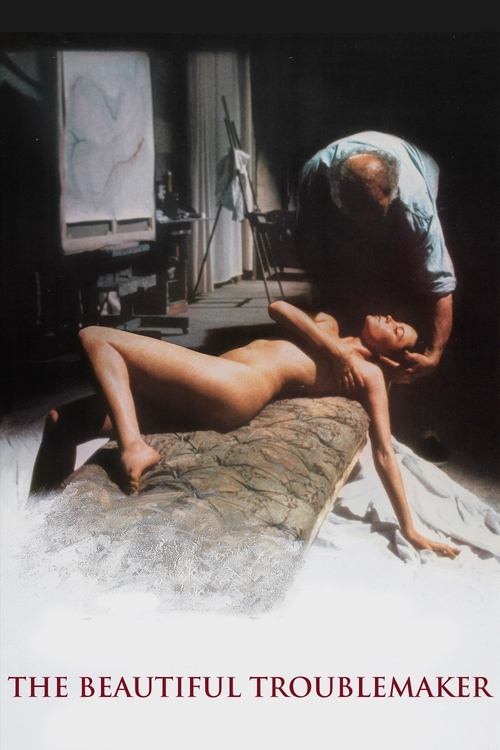
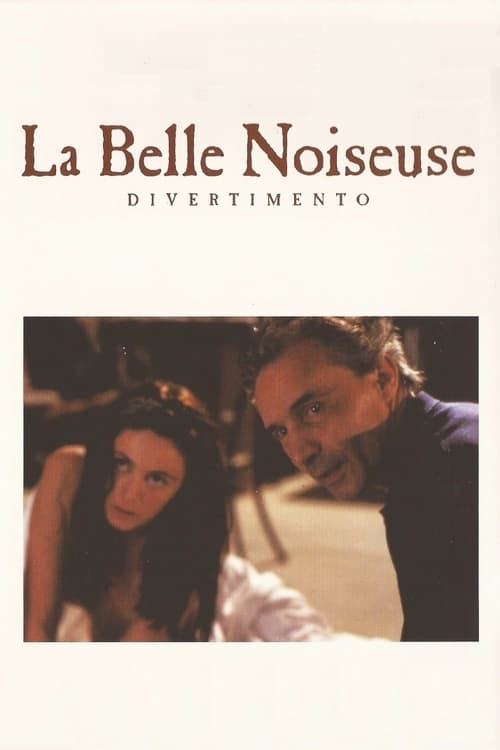
La Belle Noiseuse
1991
No user ratings available yet
Representation score: 2.5 out of 10
Representation Score
Limited
1992
Director
Jacques Rivette
Runtime
130 minutes
Average Rating
No ratings yetNew Showbiz Analysis
La Belle Noiseuse: Divertimento functions as a meta-cinematic meditation rather than a vehicle for social representation. It lacks demographic breadth, offering almost no representation for LGBTQ+, racial, or disabled identities. However, the film finds progressive value in its treatment of gender. By re-cutting the footage to favor Marianne's point of view, Rivette transforms the female subject from a passive object into an active participant in the film's reality. Ultimately, the work is a postmodern exploration of subjectivity. It prioritizes aesthetic and philosophical questions over addressing systemic identity issues.
Category Breakdown
The film focuses on the professional and personal relationship between a painter and his model. It does not depict any non-straight or non-cisgender identities or same-sex intimacy.
The narrative shifts perspective towards Marianne, giving her psychological control over the story. This structural change disrupts the traditional hierarchy of the male gaze, though it avoids direct subversion of gender roles.
Set within a Parisian bohemian context, the cast is primarily white and European. The film reflects the specific cultural environment of the French artistic community.
The film prioritizes philosophical inquiry over religious or political themes. It explores the subjective nature of truth through a secular, intellectualist lens.
There are no visible or invisible disabilities portrayed. Characters are depicted within a standard range of physical and neurotypical functionality.
Present on Screen
Limited or Absent
Official Synopsis
More than just an abbreviated form of "La Belle Noiseuse", Rivette re-cut his footage with some important differences in point of view - this one being more from Marianne's point of view
1991
1967

1969
1996

2003
1979

2019
1968
No reviews yet. Be the first to share your thoughts on this movie!
Use the rating form above to leave a star rating and optional review.