
Love in the Afternoon
1972
No user ratings available yet
Representation score: 2.5 out of 10
Representation Score
Limited
1963
Not RatedDirector
Éric Rohmer
Runtime
54 minutes
Average Rating
No ratings yetNew Showbiz Analysis
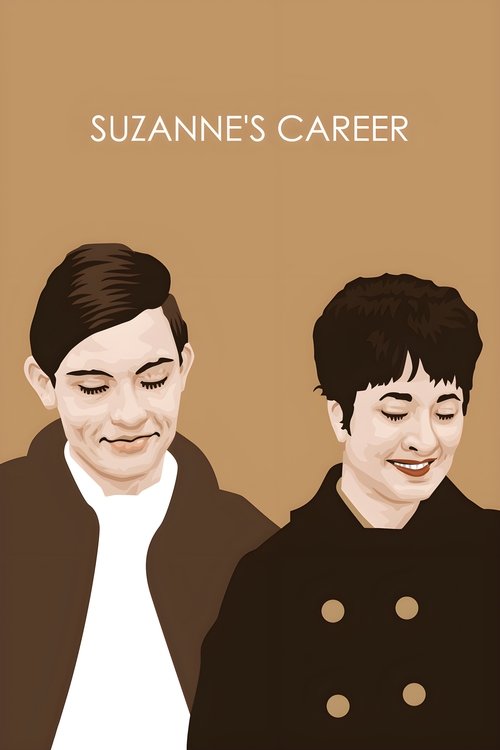
Suzanne’s Career is a sophisticated exploration of psychological realism that emphasizes individual freedom. By focusing on a woman's professional growth over romantic fulfillment, it challenges traditional gender stereotypes. However, the film is constrained by its narrow focus on a specific social class. It lacks diverse representation regarding race, sexuality, and disability. Overall, the film offers a nuanced look at personal ethics and situational morality, but it does not broadly explore diverse identity politics.
Category Breakdown
The film centers on a heterosexual relationship and the protagonist's career path. It does not include non-cisgender identities or critiques of the assumption that everyone is straight.
Suzanne is a key figure whose role is shaped by her journalism career rather than domestic duties. While it challenges traditional gender roles, it does not address broader issues related to patriarchy.
The setting is a uniform upper-class environment in Paris during the 1960s. The cast reflects the specific cultural context of that time without intentional diversity.
The story examines moral ambiguity and subjective decision-making. It emphasizes psychological complexity over strict moral codes.
There are no visible or invisible disabilities represented among the characters.
Present on Screen
Limited or Absent
Official Synopsis
Timid pharmacy student Bertrand has mixed feelings about his womanising friend Guillaume's new girlfriend, Suzanne, who financially supports her duplicitous lover.
1972
1970
1986

1951
1967

1969

1998
1972
No reviews yet. Be the first to share your thoughts on this movie!
Use the rating form above to leave a star rating and optional review.