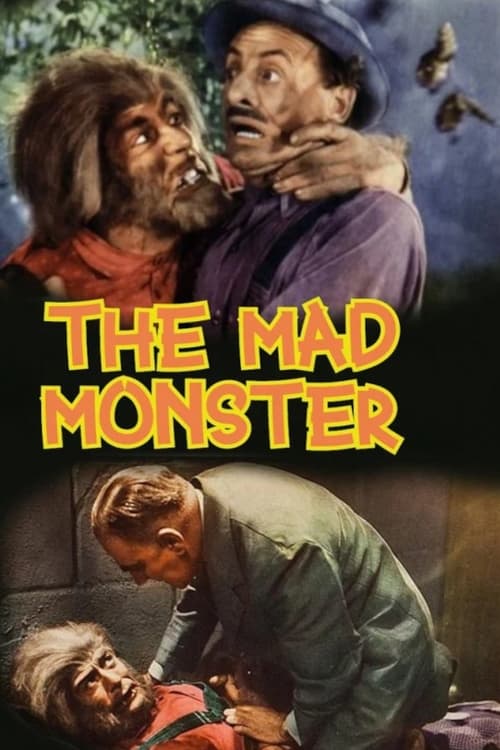
The Mad Monster
1942
No user ratings available yet
Representation score: 1.6 out of 10
Representation Score
Limited
1965
Director
David L. Hewitt
Runtime
31 minutes
Average Rating
No ratings yetNew Showbiz Analysis
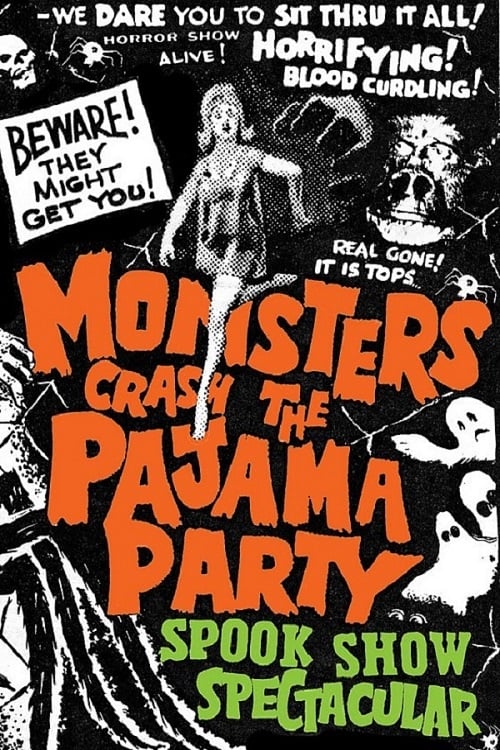
Monsters Crash the Pajama Party is a quintessential example of mid-century exploitation horror. It relies heavily on established genre clichés, such as the mad scientist and the physically deformed assistant, to drive its narrative. These elements reinforce existing social norms rather than challenging them. While the film provides significant screen time to female characters, it does so through a lens of vulnerability. The power dynamics favor the antagonist, keeping the female protagonists in a reactive role. The film's social landscape is largely homogeneous, reflecting the era's casting trends. Ultimately, the work functions as a standard morality play. It prioritizes genre-standard thrills and traditional hierarchies over any meaningful representation or social critique.
Category Breakdown
The film does not include any queer narratives or non-straight identities. It adheres to conventional social structures and adolescent friendships typical of 1960s genre cinema.
While teenage girls have a lot of screen time, they mostly fit within a traditional damsel-in-distress framework. Their ability to drive the story remains secondary to the threats posed by the male antagonist.
The narrative focuses on a specific social subset of sorority initiates. The casting likely reflects the homogeneous, Anglo-Saxon standards prevalent in mid-1960s American filmmaking.
The story follows a standard morality play about the dangers of unchecked scientific experimentation. It lacks themes that challenge established institutions or Western social norms.
A hunchbacked assistant is used as a visual shorthand for moral deviance. This relies on the cliché of using physical deformity to signify villainy rather than portraying disability with nuance.
Present on Screen
Limited or Absent
Official Synopsis
A group of teenage girls spends the night in an old dark mansion as an initiation into a college sorority. What they don't know is that the building is actually the headquarters for a mad scientist and his hunchbacked assistant, who are experimenting with turning humans into gorillas.
1942
1962
1951
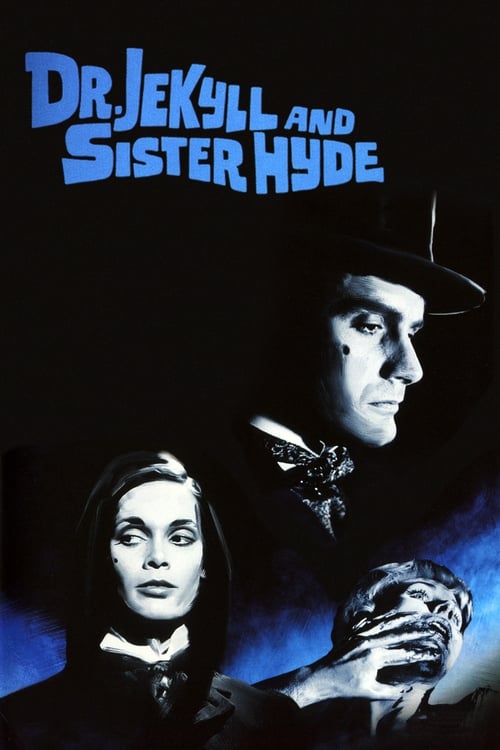
1971
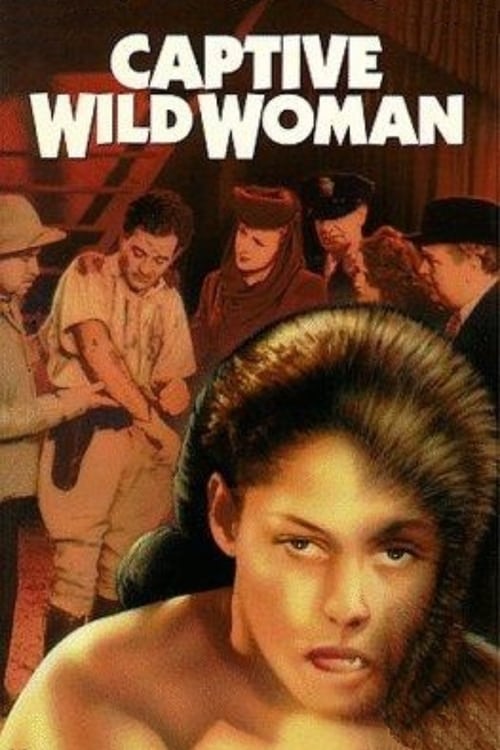
1943
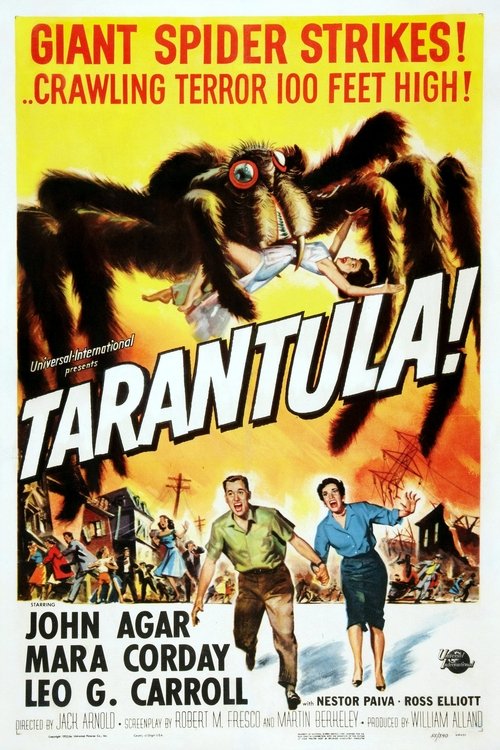
1955
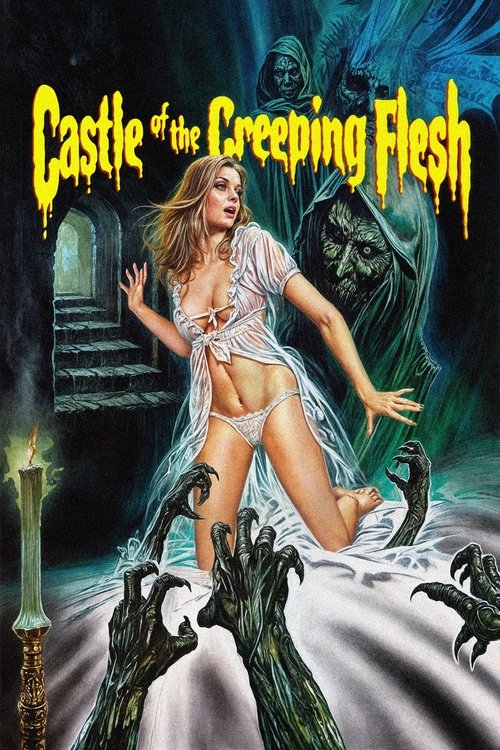
1968

1946
No reviews yet. Be the first to share your thoughts on this movie!
Use the rating form above to leave a star rating and optional review.