Tales of Poe
2014
No user ratings available yet
Representation score: 4.2 out of 10
Representation Score
Limited
1965
Director
Enrique Carreras
Runtime
61 minutes
Average Rating
No ratings yetNew Showbiz Analysis
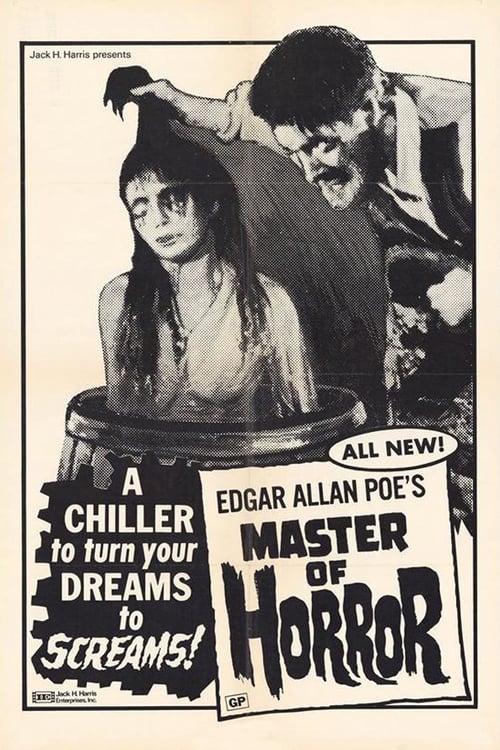
Master of Horror functions as a traditional genre piece that adheres strictly to the social and stylistic conventions of 1960s cinema. By adapting Edgar Allan Poe, the film leans into established Gothic clichés rather than attempting to disrupt them. The production lacks intentional characters who reflect more than one aspect of diversity. It reflects the era's homogeneous casting standards and relies on mid-century horror archetypes that often sideline diverse identities for psychological tension.
Category Breakdown
The film relies on 19th-century Gothic foundations. While Edgar Allan Poe's stories often feature intense psychological obsessions, the adaptation follows 1960s censorship standards and lacks explicit LGBTQ+ identities.
Female characters likely fall into traditional horror clichés, such as victims or figures of instability. The film does not show evidence of challenging mid-century gender hierarchies.
Reflecting its Eurocentric literary roots and 1965 production context, the film maintains homogeneous casting. There is no indication of significant racial diversity or blended casting.
The narrative focuses on individual morality and fatalism within the Gothic tradition. It prioritizes classical storytelling over critiques of Western institutions or secularism.
Physical or mental impairments are likely used as plot devices to create tension or 'otherness.' There is no evidence of characters with disabilities having a significant role in driving the story.
Present on Screen
Limited or Absent
Official Synopsis
An anthology horror film based off two stories by Edgar Allan Poe.
2014
1968
1951

1963
1942

1962
1969
2015
No reviews yet. Be the first to share your thoughts on this movie!
Use the rating form above to leave a star rating and optional review.