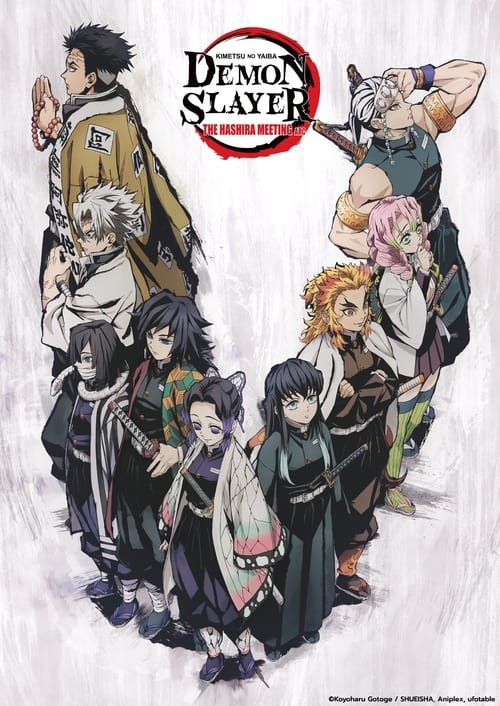
Demon Slayer: Kimetsu no Yaiba - The Hashira Meeting Arc
2021
No user ratings available yet
Representation score: 5.4 out of 10
Representation Score
Fair
2024
RDirector
Haruo Sotozaki
Runtime
103 minutes
Average Rating
No ratings yetNew Showbiz Analysis
The film focuses on the rigorous training and duties of the Demon Slayer Corps. It successfully challenges traditional gender roles by placing women in high-ranking, authoritative combat roles, giving them genuine influence. However, the historical setting limits the film’s exploration of racial and ethnic diversity. The narrative emphasizes traditional themes of discipline and social order, resulting in a narrower approach to identity and social structure. While the portrayal of physical injuries avoids exploitative clichés, the scope of representation remains narrow, focusing mainly on martial necessity rather than a broader range of human experiences.
Category Breakdown
The film follows traditional relationship structures and does not depict non-straight or non-cisgender identities or same-sex intimacy, staying within conventional boundaries.
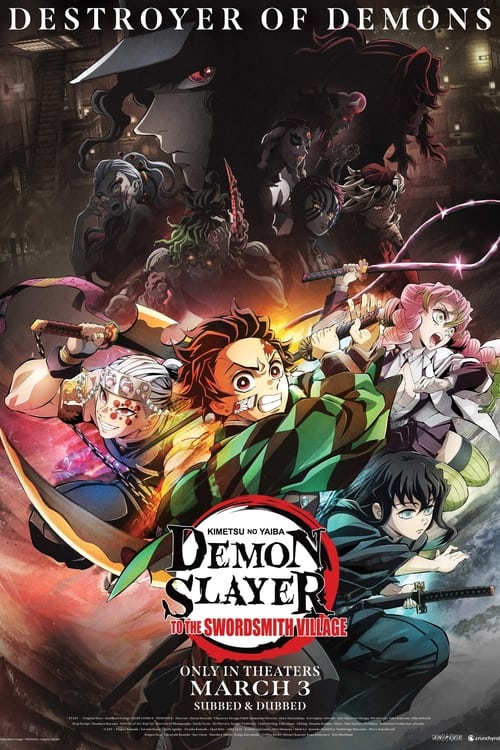
Female characters play significant roles and have authority in combat. High-ranking positions like those held by Mitsuri Kanroji and Shinobu Kocho ensure women are central figures in martial strength rather than passive ones.
The cast is culturally uniform, reflecting the Taisho-era Japanese setting. There is no blend of different racial backgrounds or diverse ethnicities within this specific historical context.
The story highlights discipline, hierarchy, and communal responsibility. It operates within a binary moral framework without actively challenging traditional institutions or promoting specific religious entities.
Physical injuries and combat tolls are shown through the lens of survival rather than sentimentality. However, there is no representation of neurodivergent or non-combat-related disabilities.
Present on Screen
Limited or Absent
Official Synopsis
Tanjiro undergoes rigorous training with the Stone Hashira, Himejima, in his quest to become a Hashira. Meanwhile, Muzan continues to search for Nezuko and Ubuyashiki. A recap of Kimetsu no Yaiba episodes 55–56, with new footage and special end credits.
2021

2010

2022
2021

2022

2025
2020
2023
No reviews yet. Be the first to share your thoughts on this movie!
Use the rating form above to leave a star rating and optional review.