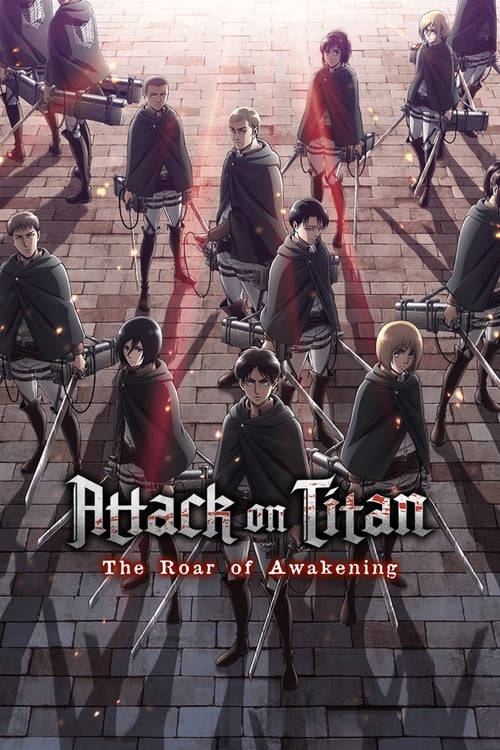
Attack on Titan: The Roar of Awakening
2018
No user ratings available yet
Representation score: 5.7 out of 10

Representation Score
Excellent
2020
Director
Tetsuro Araki, Masashi Koizuka
Runtime
122 minutes
Average Rating
No ratings yetNew Showbiz Analysis
Attack on Titan: Chronicle functions as a high-intensity distillation of a narrative defined by systemic conflict and existential dread. It succeeds in challenging traditional social hierarchies, particularly through its depiction of gendered competence and its use of metaphor to address racialized conflict. However, the film's representational depth is uneven. While it offers a sophisticated critique of institutional power and systemic oppression, it lacks explicit focus on specific identity politics or neurodivergence. Much of the diversity is handled through allegory rather than direct character-driven representation. Ultimately, the film presents a progressive narrative structure that challenges the status quo, even if it remains somewhat limited in its overt depictions of specific underrepresented identities.
Category Breakdown
The film centers on survival and geopolitical conflicts rather than romantic relationships. It avoids strictly straight-centered archetypes but does not include explicit depictions of non-cisgender identities.
Female characters such as Mikasa Ackerman and Hange Zoë play a significant role in driving the story that matches or surpasses their male counterparts. The narrative emphasizes merit and tactical skills over traditional gender roles.
The story uses non-human species as metaphors to explore systemic oppression. It critiques xenophobia and the construction of 'the other' through biological and geographic differences.
The work deconstructs institutional authority by portraying military and religious-adjacent hierarchies as corrupt. It favors anti-authoritarian rebellion and critiques the deception of established structures.
Physical trauma and limb loss are frequent plot catalysts used to heighten survival stakes. These depictions focus on human vulnerability rather than nuanced explorations of long-term disability.
Present on Screen
Limited or Absent
Official Synopsis
In the fourth recap movie, episodes 1 to 59 of the anime are retold, compiling the first three seasons of Attack on Titan.
2018

2015
2021
2014
2019
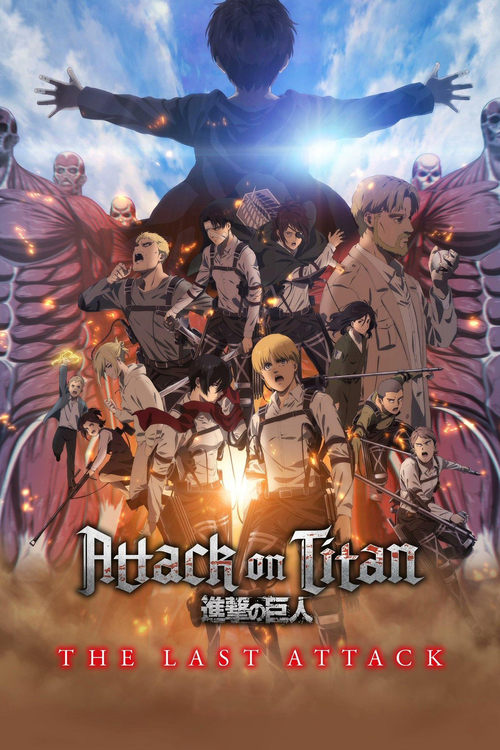
2024
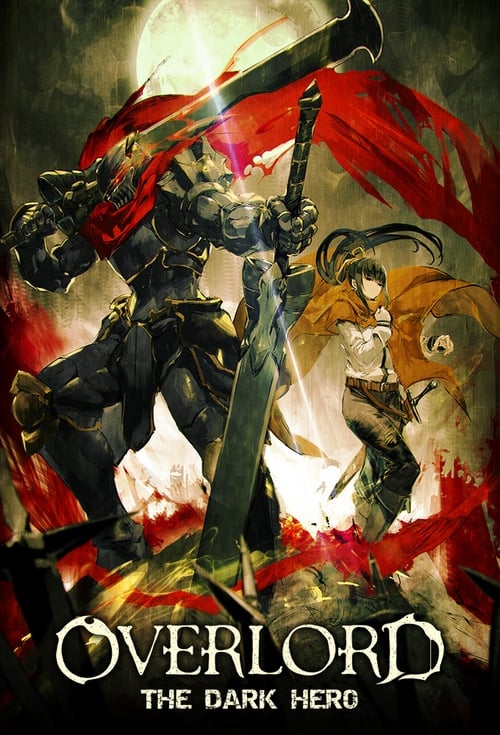
2017
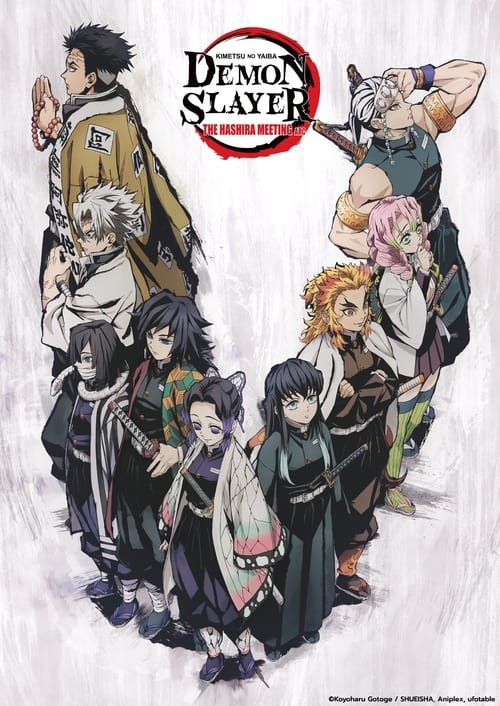
2021
No reviews yet. Be the first to share your thoughts on this movie!
Use the rating form above to leave a star rating and optional review.