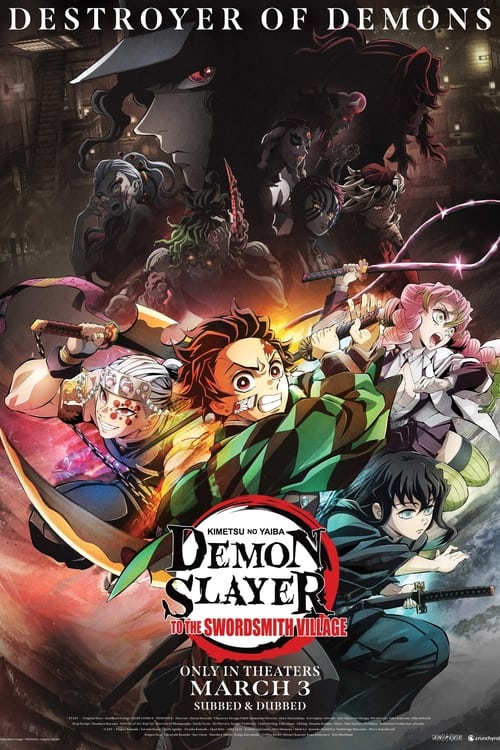
Demon Slayer: Kimetsu no Yaiba -To the Swordsmith Village-
2023
No user ratings available yet
Representation score: 5.6 out of 10
Representation Score
Minimal
2020
RDirector
Haruo Sotozaki
Runtime
117 minutes
Average Rating
No ratings yetNew Showbiz Analysis
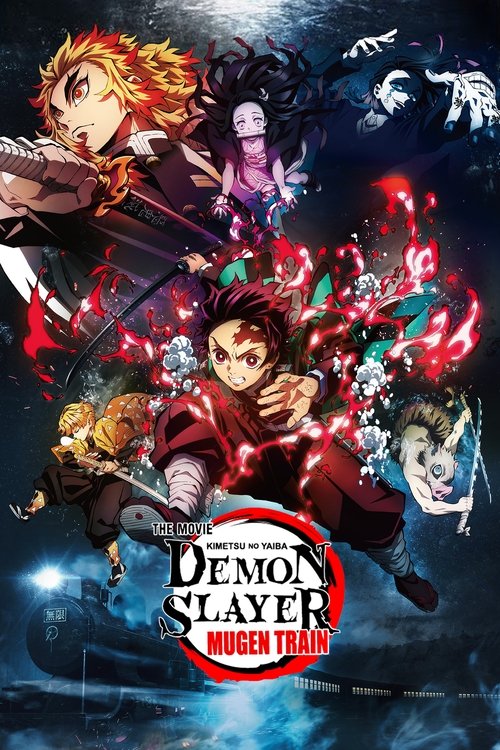
Mugen Train is a traditional narrative that prioritizes historical authenticity and classical moral structures. It reinforces established social hierarchies and ethical certainties without challenging them. The film relies on conventional gender roles and a homogeneous cast to maintain its historical setting. While it features strong emotional themes, it does not seek to subvert or expand upon diverse social norms. Ultimately, the story centers on discipline, lineage, and the preservation of order against supernatural threats, making it a highly specialized genre piece.
Category Breakdown
The film does not include any LGBTQ+ characters or explore non-straight relationships. The interpersonal dynamics center around platonic brotherhood and family ties.
The story follows a traditionally masculine action structure where male characters drive the plot. Although Nezuko is emotionally important, her role is limited by her demonized state.
The cast is culturally uniform, reflecting the Taisho-era Japanese setting. The narrative does not incorporate diverse ethnic backgrounds or race-bending elements.
The film highlights traditional values such as duty, honor, and family sanctity. It presents a clear moral contrast between protectors and predators using classic heroic figures.
Nezuko’s demon status symbolizes navigating a non-normative condition. However, her state mainly serves as a catalyst for protection rather than exploring independent ability to act.
Present on Screen
Limited or Absent
Official Synopsis
Tanjiro Kamado, joined with Inosuke Hashibira, a boy raised by boars who wears a boar's head, and Zenitsu Agatsuma, a scared boy who reveals his true power when he sleeps, boards the Infinity Train on a new mission with the Fire Hashira, Kyojuro Rengoku, to defeat a demon who has been tormenting the people and killing the demon slayers who oppose it!
2023
2021

2022
2021
2023
2025

2022

2025
No reviews yet. Be the first to share your thoughts on this movie!
Use the rating form above to leave a star rating and optional review.