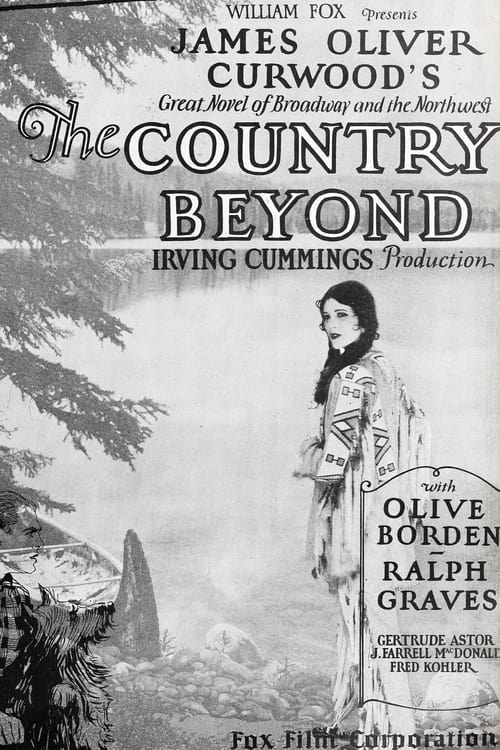
The Country Beyond
1926
No user ratings available yet
Diversity score: 2.8 out of 10
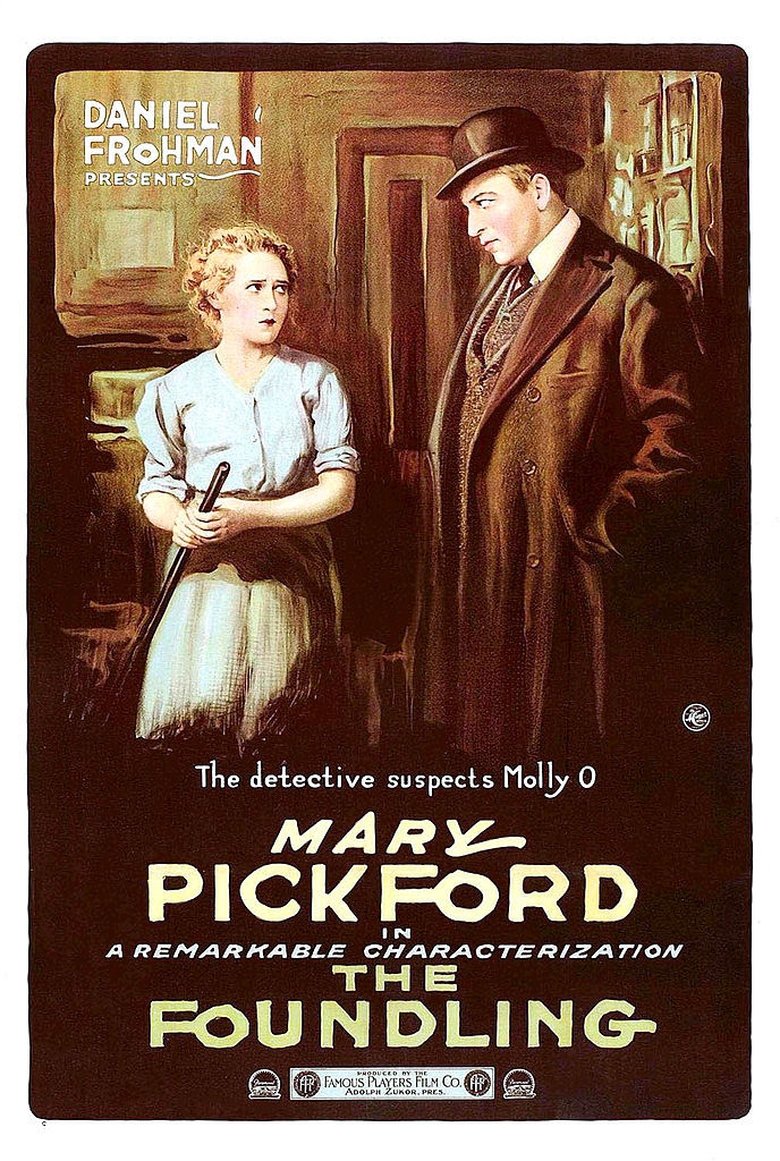
1916
PassedDirector
John B. O'Brien
Runtime
54 minutes
Average Rating
No ratings yetSynopsis
Rich artist David King sends his infant daughter Molly to an orphanage, then years later regrets it and tries to find her. She's sent to slave at a boarding house,and the mistress of the orphanage passes her niece off as Molly.
Overall Score
Limited
Category Breakdown
LGBTQ+ Representation
The film lacks any depiction of non-cisnormative identities or same-sex intimacy. The story focuses strictly on traditional biological family bonds.
Gender Representation
The plot revolves around a male protagonist's decisions and the victimization of a female child. Female characters lack independent agency, serving mostly as subjects of the male lead's actions.
Racial & Ethnic Diversity
The settings of an orphanage and boarding house suggest a likely racial homogeneity typical of 1916. There is no evidence of diverse ethnic casting in the narrative.
Religious & Cultural Diversity
The story adheres to traditional Western moral frameworks regarding parental regret and lineage. It reinforces conventional concepts of family legitimacy rather than challenging them.
Disability Representation
There are no characters identified as having physical, sensory, or neurodivergent disabilities within the film's narrative.
Strengths
Areas for Improvement
AI Analysis
The Foundling is a period melodrama that functions within the narrow social constraints of the early silent film era. Its narrative architecture is built upon traditional hierarchies, focusing on a father's regret and the search for a lost biological child. The film reinforces standard social structures of the early 20th century. It lacks intersectional depth, as the characters primarily serve to uphold conventional ideas of family and morality rather than subverting them. Ultimately, the production reflects the era's typical casting and storytelling norms, offering little representation outside of a white-centric, patriarchal framework.
1926
2011
1971
1926
1920
1913
1913
1950
1914
1935
1946
1920
No reviews yet. Be the first to share your thoughts on this movie!
Use the rating form above to leave a star rating and optional review.