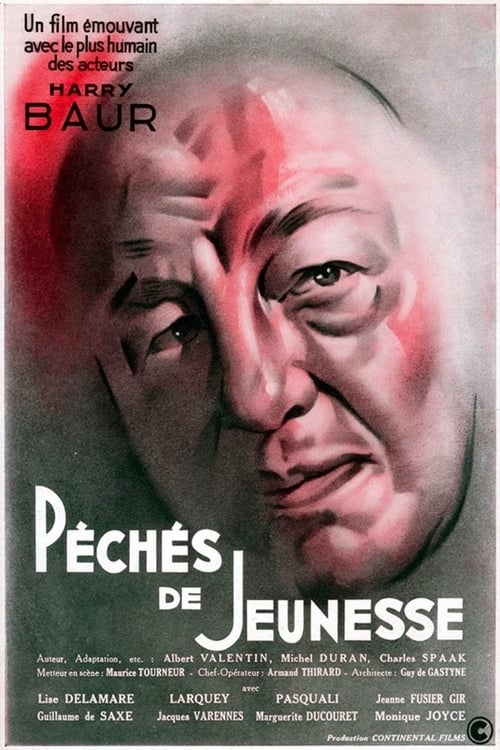
Sins of Youth
1941
No user ratings available yet
Diversity score: 2.2 out of 10
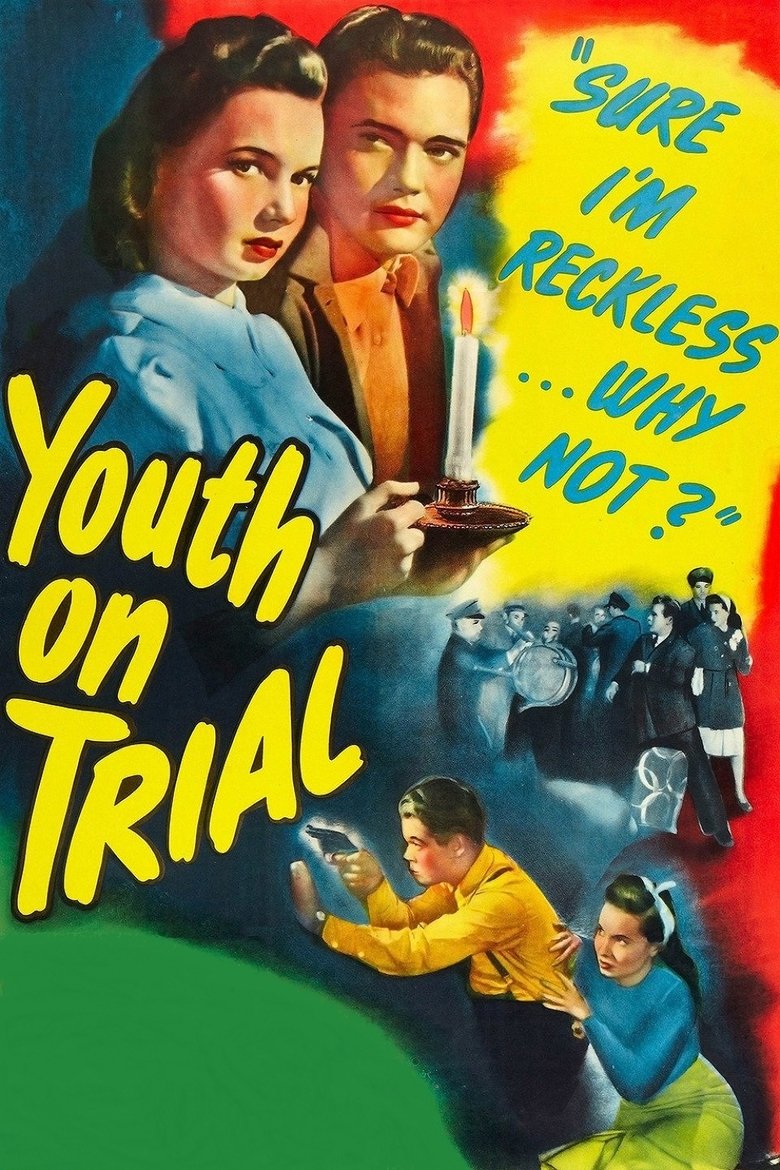
1945
ApprovedDirector
Budd Boetticher
Runtime
59 minutes
Average Rating
No ratings yetSynopsis
A female juvenile court judge learns that her own daughter is one of the town delinquents in this minor low-budget potboiler.
Overall Score
Minimal
Category Breakdown
LGBTQ+ Representation
The film lacks any presence of non-cisnormative identities or same-sex intimacy. It operates strictly within the heteronormative constraints of 1940s studio productions.
Gender Representation
A female judge provides a rare instance of institutional authority for a woman. However, her professional agency remains tied to her maternal role, while men dominate the legal spheres.
Racial & Ethnic Diversity
The cast is predominantly homogeneous, reflecting the era's standard demographic norms. There is no evidence of significant racial or ethnic diversity within the narrative.
Religious & Cultural Diversity
The story centers on the stability of Western judicial structures. It reinforces conventional moral frameworks rather than offering any anti-institutional or secularist subversion.
Disability Representation
There is no documented engagement with physical impairments or neurodivergence. The film contains no characters with visible or invisible disabilities.
Strengths
Areas for Improvement
AI Analysis
Youth on Trial is a mid-century legal procedural that mirrors the social and demographic limitations of 1945. While it features a female judge, the film ultimately reinforces traditional hierarchies by linking her professional authority to her domestic identity as a mother. The production adheres to the era's standard cinematic output, prioritizing the preservation of institutional order. It offers almost no representation of intersectional identities, focusing instead on a homogeneous cast and conventional moral structures. Ultimately, the film functions as a standard drama that upholds established systemic norms rather than challenging them through progressive social critiques.
1941
1939
1934
1955
1944
1961
1957
1947

1967
1965
1955
1940
No reviews yet. Be the first to share your thoughts on this movie!
Use the rating form above to leave a star rating and optional review.