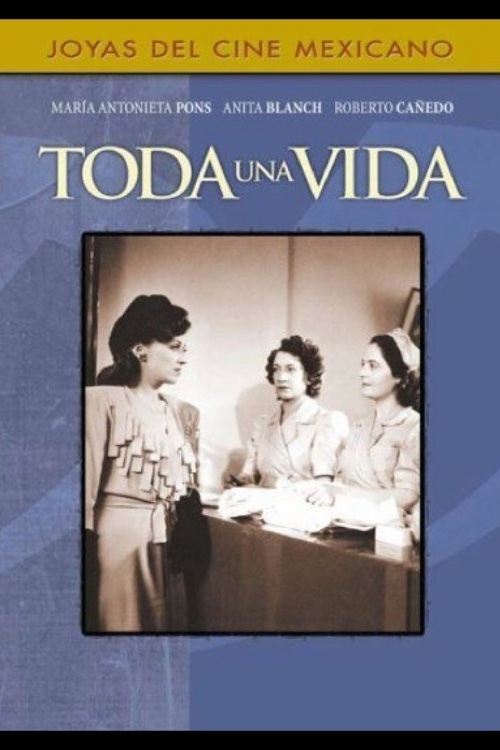
Toda una vida
1945
No user ratings available yet
Representation score: 2.0 out of 10
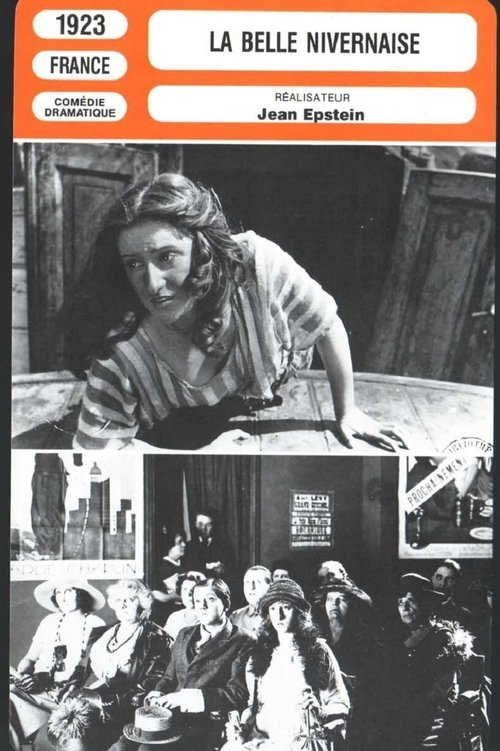
Representation Score
Limited
1924
Director
Jean Epstein
Runtime
69 minutes
Average Rating
No ratings yetNew Showbiz Analysis
Jean Epstein’s work is known for its psychological depth and subjective storytelling, yet this specific drama follows traditional romantic clichés. The narrative structure relies on standard interpersonal conflicts typical of early 20th-century French cinema. The film lacks explicit markers of diverse identities or systemic critiques. While Epstein's style might challenge simple moral binaries, the actual representation of diverse identities remains minimal or absent.
Category Breakdown
The film centers on a romantic relationship between a young man and his adoptive sister. It does not explicitly address LGBTQ+ identities or challenge assumptions about heterosexual relationships.
The story focuses on emotional dynamics and romantic conflict. However, it lacks specific details about women's roles or challenges to traditional masculinity.
As a 1924 French production, the film likely reflects the homogeneous demographics of its time. There is no evidence of diverse casting or non-white characters.
The plot explores adoption and family bonds within Western social structures. Epstein's Impressionist style adds psychological complexity to these traditional themes.
The provided context contains no evidence of characters with visible or invisible disabilities.
Present on Screen
Limited or Absent
Official Synopsis
A young man falls in love with the daughter of the man who adopted him.
1945

1939
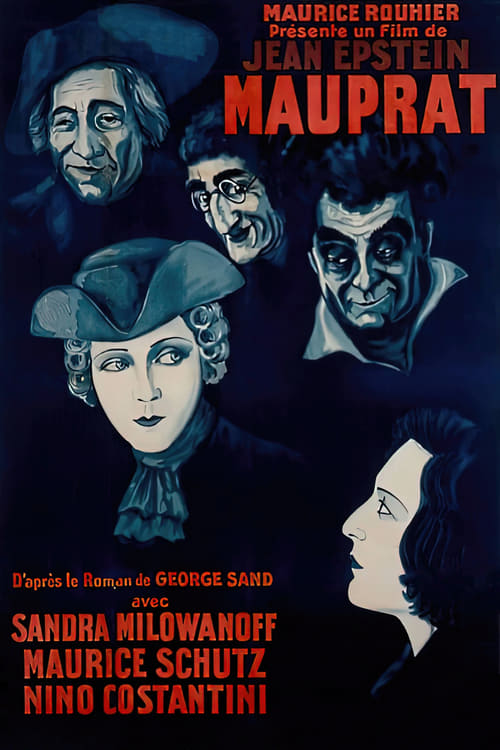
1926
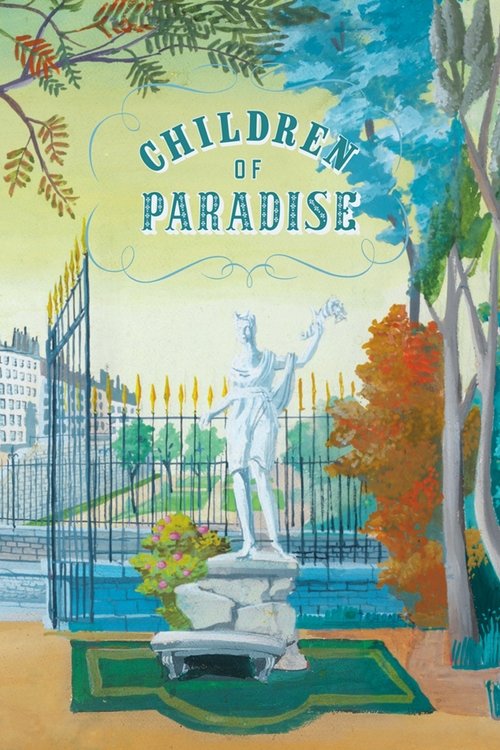
1945
1925
1934
1916
1935
No reviews yet. Be the first to share your thoughts on this movie!
Use the rating form above to leave a star rating and optional review.