
Bundy: A Legacy of Evil
2008
No user ratings available yet
Representation score: 1.3 out of 10
Representation Score
Fair
2000
Not RatedDirector
Chuck Parello
Runtime
89 minutes
Average Rating
No ratings yetNew Showbiz Analysis
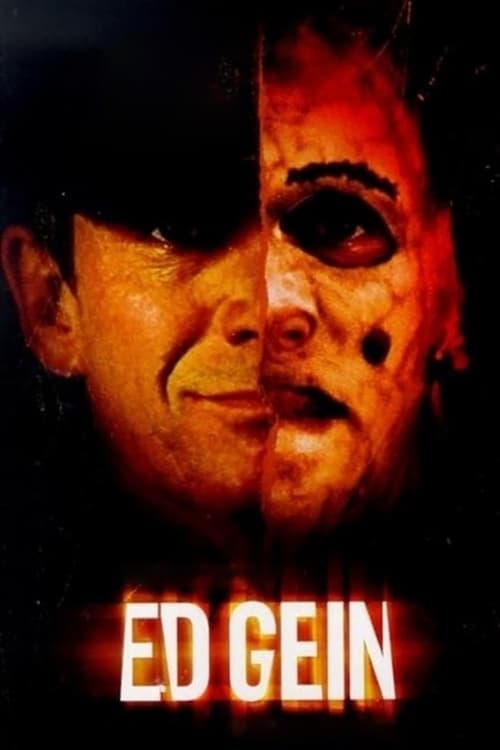
Ed Gein (2000) is a character study rooted in the true-crime horror genre. It succeeds in deconstructing traditional domestic hierarchies by portraying a powerful, destructive maternal figure. This provides psychological complexity that moves beyond simple heroic archetypes. However, the film lacks multi-layered breadth. The narrative is anchored in the historical context of mid-century rural America, resulting in a homogeneous demographic and a lack of diverse representation. The exploration of mental illness also remains tied to genre clichés rather than providing character's ability to drive the story. Ultimately, while the film offers a non-traditional view of the family unit, it remains a narrow psychological thriller that does not intentionally engage with diverse identities or systemic social subversion.
Category Breakdown
The film focuses on domestic dysfunction and psychological trauma. There are no explicit LGBTQ+ character arcs or narratives that question the assumption that everyone is straight or cisgender.
The narrative centers on a domineering mother who disrupts traditional nurturing roles. This challenges conventional gender hierarchies within the domestic sphere, though it lacks broader systemic subversion.
Set in mid-20th century rural America, the film focuses on a homogeneous demographic. There is no evidence of diverse casting to disrupt historical norms.
The story explores the rot beneath the American Dream through a tormented upbringing. It frames the family unit as a source of trauma rather than a positive institution.
Mental health conditions are explored through the lens of psychological instability. These elements often serve genre requirements, leaning toward the disturbed killer cliché.
Present on Screen
Limited or Absent
Official Synopsis
The true story of Edward Gein, the farmer whose horrific crimes inspired Psycho, The Texas Chainsaw Massacre and The Silence of the Lambs. This is the first film to Gein's tormented upbringing, his adored but domineering mother, and the 1957 arrest uncovered the most bizarre series of murders America has ever seen
2008
1974

2007

1986
2004

2007
2006
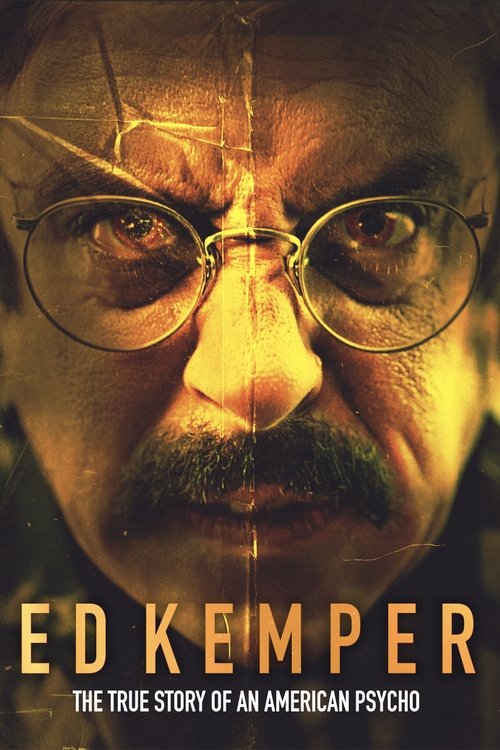
2025
No reviews yet. Be the first to share your thoughts on this movie!
Use the rating form above to leave a star rating and optional review.