
Henry: Portrait of a Serial Killer, Part 2
1996
No user ratings available yet
Representation score: 5.1 out of 10
Representation Score
Minimal
1974
RDirector
Jeff Gillen, Alan Ormsby
Runtime
83 minutes
Average Rating
No ratings yetNew Showbiz Analysis
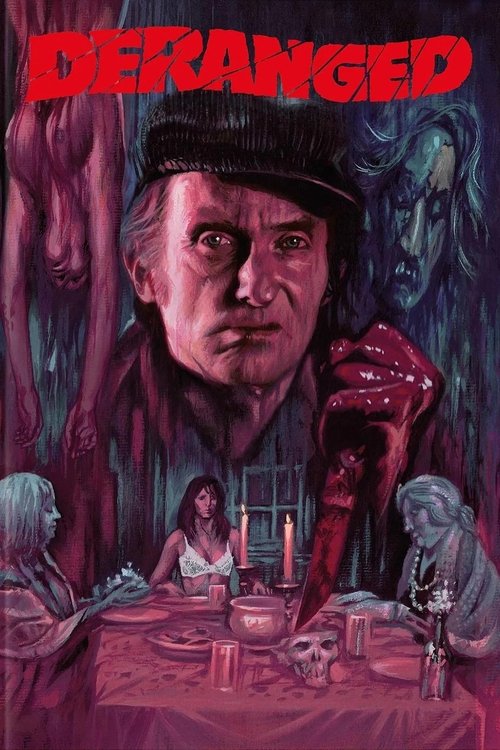
Deranged is a traditional 1970s exploitation horror film that emphasizes psychological transgressions over social critique. The narrative structure reinforces existing demographic norms and traditional hierarchies rather than challenging them. The film relies on genre clichés to explore domestic dysfunction. It does not intentionally address multiple aspects of identity or diversity, focusing instead on the descent into madness and the breakdown of the nuclear family. Ultimately, the work operates within the sociological constraints of its era, providing a character study of insanity without engaging in broader social or cultural critiques.
Category Breakdown
The film does not include any LGBTQ+ characters or explore non-straight relationships. It centers on a traditional relationship between a man and a woman, without addressing any non-heterosexual identities.
Gender dynamics in the film show the mother as a controlling figure who influences the protagonist's negative views towards women. Female characters mainly exist as victims or catalysts for the protagonist's instability.
Set in rural Wisconsin, the film features a predominantly white cast with little diversity. There are no characters of color with significant roles or influence.
The story focuses on individual psychological issues and isolation, rather than broader societal critiques. It serves as a character study of madness without delving into larger social structures or institutions.
Characters with mental health conditions and physical limitations are used primarily as plot devices to advance the horror narrative. They do not have significant roles or ability to act in the story.
Present on Screen
Limited or Absent
Official Synopsis
A man living in rural Wisconsin takes care of his bed-ridden mother, who is very domineering and teaches him that all women are evil. After she dies, he misses her, and a year later digs her up and takes her home. He learns about taxidermy and begins robbing graves to get materials to patch her up, and inevitably begins looking for fresher sources of materials. Based loosely on the true story of Ed Gein.
1996

1986

1986
2007
2000
1989

2007

1982
No reviews yet. Be the first to share your thoughts on this movie!
Use the rating form above to leave a star rating and optional review.