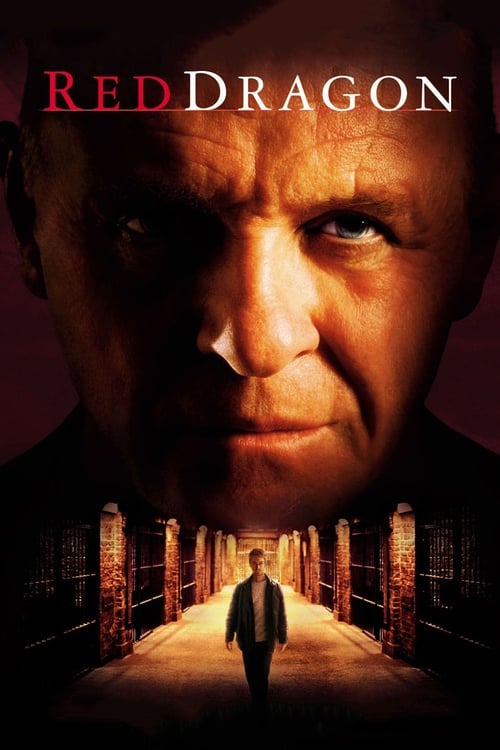
Red Dragon
2002
No user ratings available yet
Representation score: 3.0 out of 10

Representation Score
Fair
2007
RDirector
Peter Webber
Runtime
121 minutes
Average Rating
No ratings yetNew Showbiz Analysis
Hannibal Rising breaks away from traditional Eurocentric historical dramas by focusing on the Carthaginian civilization, offering a fresh Mediterranean and North African perspective. However, the film struggles with significant imbalances in character's ability to drive the story, particularly in gender roles where female characters often serve as emotional catalysts for the male lead. Additionally, the film lacks LGBTQ+ representation and relies on traditional social hierarchies.
Category Breakdown
The film adheres to an assumption that everyone is straight and cisgender, with no same-sex relationships or non-cisgender identities represented.
The story revolves around a patriarchal military structure where the female character's role is largely defined by her relationship to the male lead, lacking independent action.
The film provides a diverse historical perspective centered on a Mediterranean and North African context, challenging typical Western narratives.
The story highlights the destructive impact of Roman expansion, using the protagonist's experiences to explore systemic oppression.
Psychological trauma and mental health issues serve primarily as plot drivers for the protagonist. Characters with disabilities lack independent ability to act outside of the central tragedy.
Present on Screen
Limited or Absent
Official Synopsis
The story of the early, murderous roots of the cannibalistic killer, Hannibal Lecter – from his hard-scrabble Lithuanian childhood, where he witnesses the repulsive lengths to which hungry soldiers will go to satiate themselves, through his sojourn in France, where as a medical student he hones his appetite for the kill and learnt sword skills from his Japanese girlfriend, who happened to have similar fate
2002
2017

1987

2005
2006

1986

2012
1996
No reviews yet. Be the first to share your thoughts on this movie!
Use the rating form above to leave a star rating and optional review.