Drifter: Henry Lee Lucas
2009
No user ratings available yet
Representation score: 0.6 out of 10
Representation Score
Fair
2007
RDirector
Michael Feifer
Runtime
90 minutes
Average Rating
No ratings yetNew Showbiz Analysis
This production is a genre-driven exploration of historical true crime. It prioritizes the depiction of individual pathology and the 'evil mind' over any form of multi-layered storytelling or social critique. The film adheres strictly to the conventions of exploitation and horror. By focusing on the specific crimes of Ed Gein, the narrative remains tied to the demographic and social norms of 1950s rural America. Ultimately, the work lacks intentional inclusive storytelling. It uses psychological deviance as a tool for horror rather than providing a platform for diverse or excluded perspectives.
Category Breakdown
The film does not include any LGBTQ+ characters or stories. It focuses on the psychological issues of a single person, which prevents the inclusion of diverse gender identities.
The story centers around a male protagonist who is extremely deviant. It emphasizes the monster cliché rather than challenging traditional gender roles or power dynamics.
Set in rural Wisconsin during the late 1950s, the film reflects the demographic uniformity of that time. There is no indication of a diverse cast.
The story functions as a traditional true-crime cautionary tale. It reinforces Western views on crime and punishment rather than questioning systemic institutions.
Mental health conditions are used primarily as plot devices for creating tension. There is no evidence of neurodivergent characters having significant roles or nuanced representation.
Present on Screen
Limited or Absent
Official Synopsis
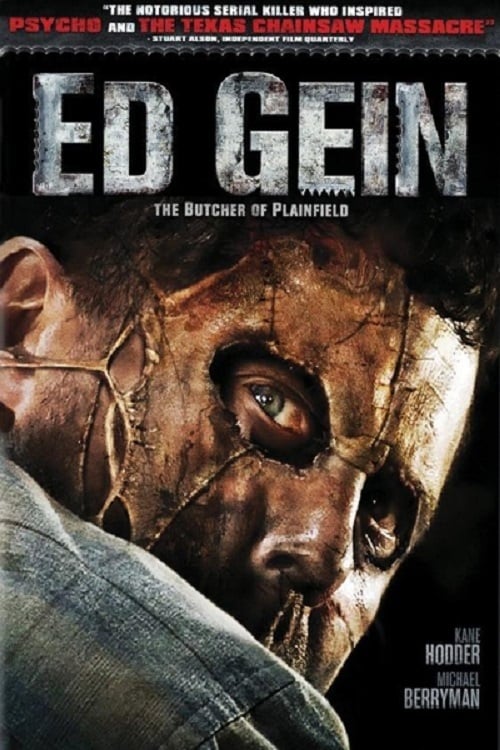
Inspired by the true story of one of the most gruesome killers in American history. Now, years after inspiring "Psycho's" Norman Bates, "The Silence Of The Lambs'" Buffalo Bill and "The Texas Chainsaw Massacre's" Leatherface, the story of real life serial killer Ed Gein is told once again. Nicknamed "The Butcher Of Plainfield," Gein was responsible for a rash of gory murders that sent shock waves through his rural Wisconsin town, and across America, in the late 1950's. Prepare to enter the evil mind and twisted world of "The Butcher Of Plainfield."
2009
1974
2000
2004

2008
2008

2008
2006
No reviews yet. Be the first to share your thoughts on this movie!
Use the rating form above to leave a star rating and optional review.