
Snuff: A Documentary About Killing on Camera
2008
No user ratings available yet
Representation score: 3.8 out of 10

Representation Score
Limited
2004
Director
Michelle Palmer
Runtime
24 minutes
Average Rating
No ratings yetNew Showbiz Analysis
This documentary focuses on the historical pathology of Ed Gein, a niche true-crime study set in mid-20th century rural Wisconsin. The film reflects the demographic homogeneity of that era. By adhering to conventional true-crime clichés, the narrative prioritizes the male perpetrator's psychology over exploring diverse perspectives or challenging societal norms. Ultimately, the film serves as a historical examination of a specific criminal figure rather than a vehicle for social or cultural critique.
Category Breakdown
The film does not include any LGBTQ+ characters or stories. It focuses on the psychological profile of a serial killer without addressing gender identity or sexual orientation.
The story centers around the male character, Ed Gein. While it may mention female victims, the narrative primarily explores the male perpetrator's psychology rather than challenging gender norms.
The setting reflects the demographic uniformity of mid-20th century rural Wisconsin. There is no indication of diverse casting or a multi-ethnic perspective.
The documentary follows typical true-crime conventions, focusing on the historical case of Ed Gein without broader cultural critique.
Mental health is portrayed through the lens of criminal behavior. The film might use psychological issues as a horror element rather than offering nuanced representation.
Present on Screen
Limited or Absent
Official Synopsis
Documentary about the real life inspiration behind the film, serial killer Ed Gein. Produced for "The Texas Chainsaw Massacre" DVD. Screened at the 2004 New York Horror Festival.
2008
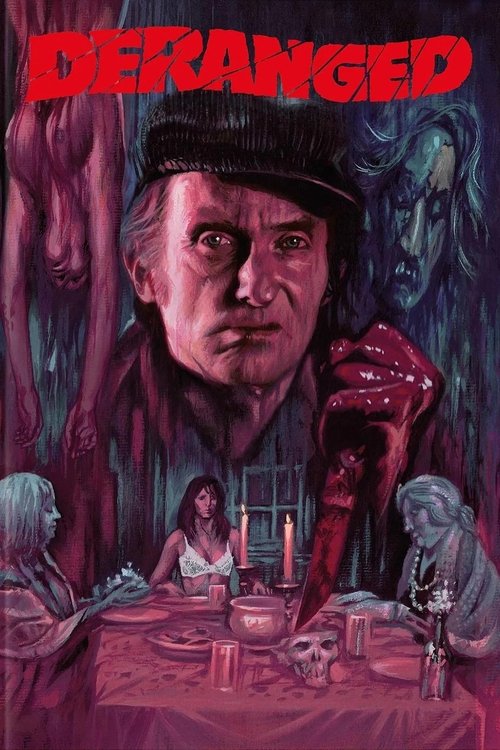
1974

2007

2023

2021

2010

2015

1999
No reviews yet. Be the first to share your thoughts on this movie!
Use the rating form above to leave a star rating and optional review.