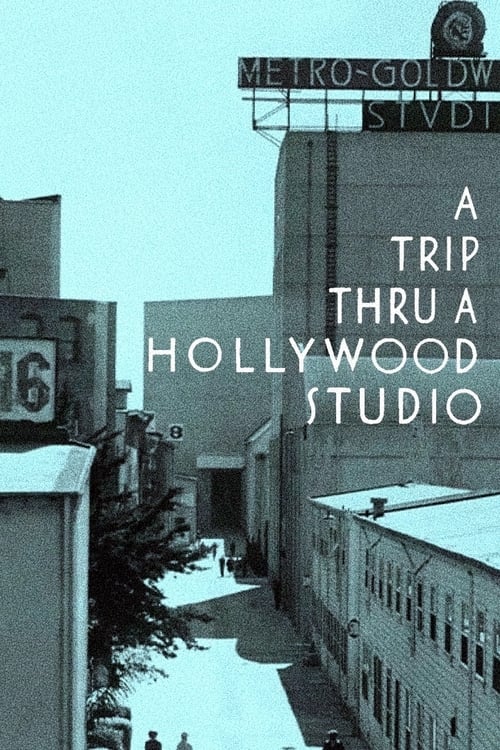
A Trip Thru a Hollywood Studio
1935
No user ratings available yet
Representation score: 0.3 out of 10
Representation Score
Minimal
1925
UnratedRuntime
32 minutes
Average Rating
No ratings yetNew Showbiz Analysis
This archival documentary functions as a technical and promotional record of MGM's operations in 1925. Because it is a non-fiction piece from the silent era, it reflects the systemic social norms of the early 20th century rather than attempting social commentary. The film serves to validate the efficiency and prestige of the studio model. Consequently, it presents a highly standardized view of the workforce that aligns with the era's existing hierarchies. Ultimately, the work acts as a baseline for the period's social structures. It does not actively promote harmful stereotypes, but it lacks diverse representation expected in modern media.
Category Breakdown
The footage is strictly observational and industrial. It contains no evidence of LGBTQ+ characters or narratives addressing sexual orientation.
Women appear in roles such as makeup or wardrobe, but the film centers male authority in technical capacities. Female subjects have little control over their situations.
The personnel shown appear largely homogeneous. This reflects the systemic exclusion of non-white individuals from early Hollywood industrial documentation.
The film celebrates early industrial capitalism and the Hollywood studio system. It reinforces traditional Western institutional structures and professional productivity.
The documentary focuses on an idealized, able-bodied workforce. There is no visible representation of neurodivergence or physical disability.
Present on Screen
Limited or Absent
Official Synopsis
A tour of the Metro-Goldwyn-Mayer Studio in 1925 shows the people who make the movies there, and gives viewers a glimpse at how movies are made.
1935

2015
1937
1940
1936
1951
1935
1904
No reviews yet. Be the first to share your thoughts on this movie!
Use the rating form above to leave a star rating and optional review.