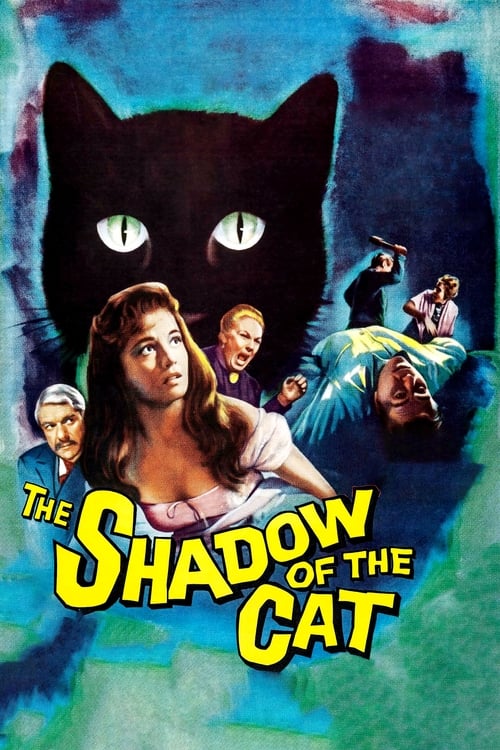
The Shadow of the Cat
1961
No user ratings available yet
Diversity score: 3.5 out of 10
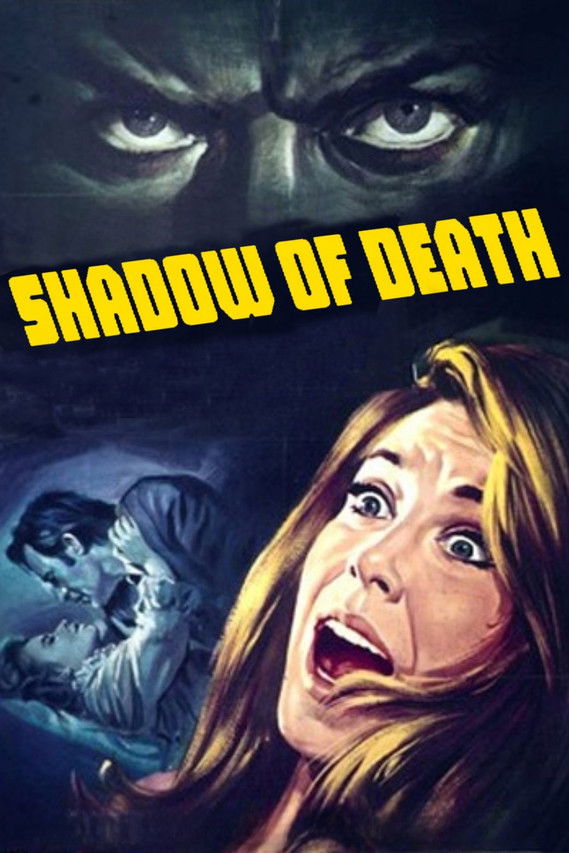
1969
Director
Javier Setó
Runtime
91 minutes
Average Rating
No ratings yetSynopsis
The film begins when a stranger arrives in town. He takes quickly to his former mistress, Denise, who is happily married to John, and has an affair with his identiske twin brother Peter. They plan together to drive John crazy. After unsuccessful attempts to blackmail the couple receive the stranger, Gert, to help them with their evil plan.
Overall Score
Limited
Category Breakdown
LGBTQ+ Representation
The plot explores complex infidelity and non-traditional relationship dynamics. However, it lacks explicit LGBTQ+ identities or non-heteronormative orientations.
Gender Representation
Denise is a central agent in a psychological power struggle rather than a submissive figure. The film does rely on the femme fatale archetype, which limits its progressive impact.
Racial & Ethnic Diversity
The narrative appears to reflect a homogeneous social structure. There is no evidence of racial blending or diverse casting within the provided details.
Religious & Cultural Diversity
The film challenges the sanctity of the nuclear family by focusing on moral relativism. It subverts traditional Western marital institutions through themes of deception.
Disability Representation
The story contains no mention of characters with physical, sensory, or neurodivergent disabilities.
Strengths
Areas for Improvement
AI Analysis
Shadow of Death is a psychological thriller that prioritizes the deconstruction of domestic stability over social representation. It finds its strength in subverting the traditional moral hierarchies of the era, particularly through its female lead's agency. However, the film remains limited by a lack of intersectional diversity. It adheres to the demographic standards of 1969, offering no visible racial or LGBTQ+ representation. Ultimately, the work functions as a study of social fragility and situational ethics rather than a diverse ensemble piece.
1961

1971
1976
1973
1968
1966
1971
1972
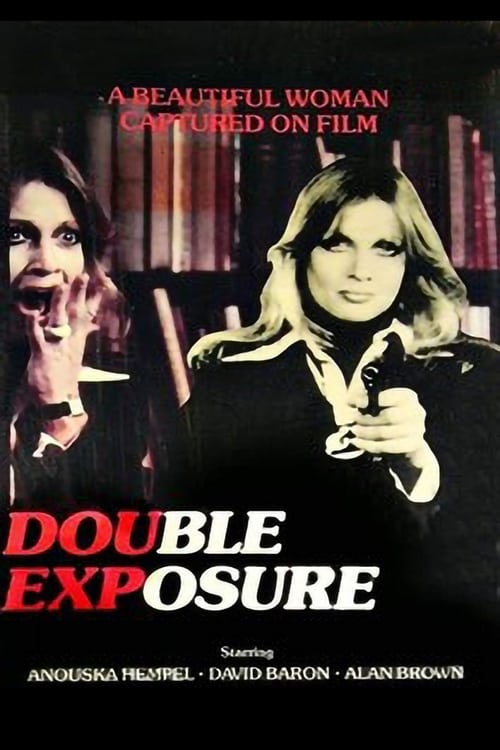
1977
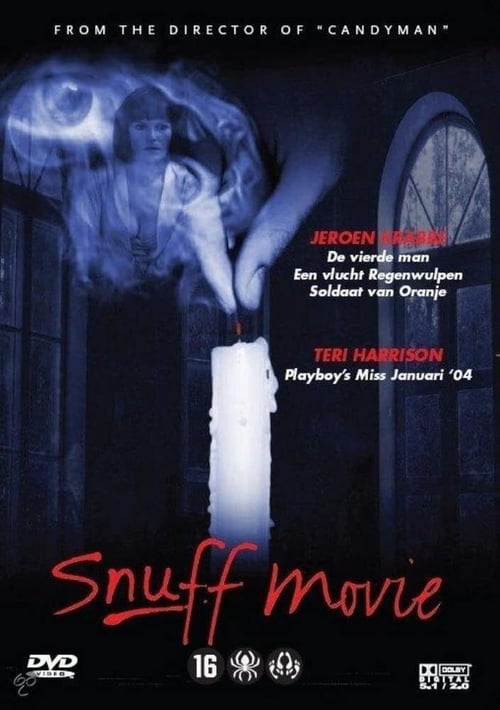
2005
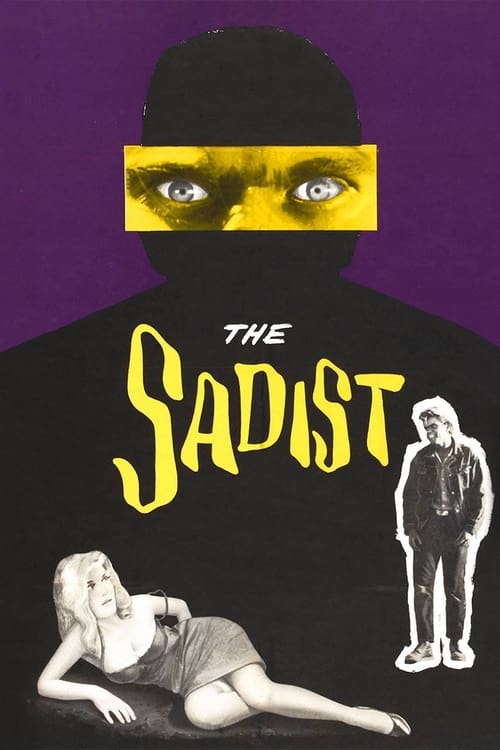
1963
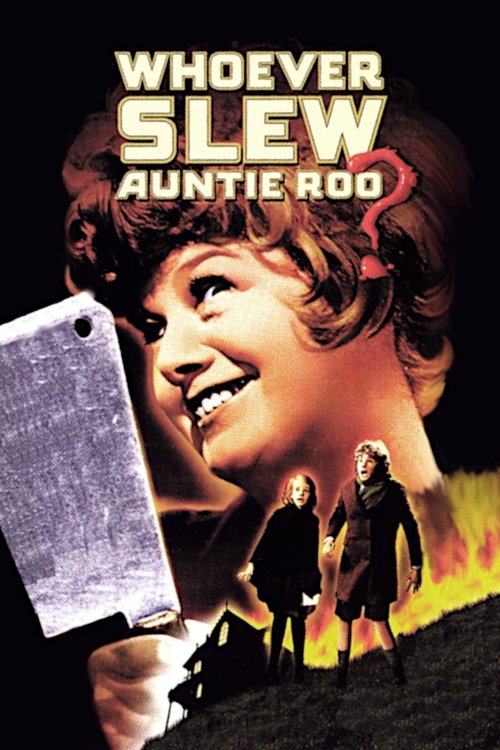
1972
No reviews yet. Be the first to share your thoughts on this movie!
Use the rating form above to leave a star rating and optional review.