Savage Abduction
1973
No user ratings available yet
Representation score: 1.3 out of 10
Representation Score
Minimal
1977
TV-14Director
William Webb
Runtime
81 minutes
Average Rating
No ratings yetNew Showbiz Analysis
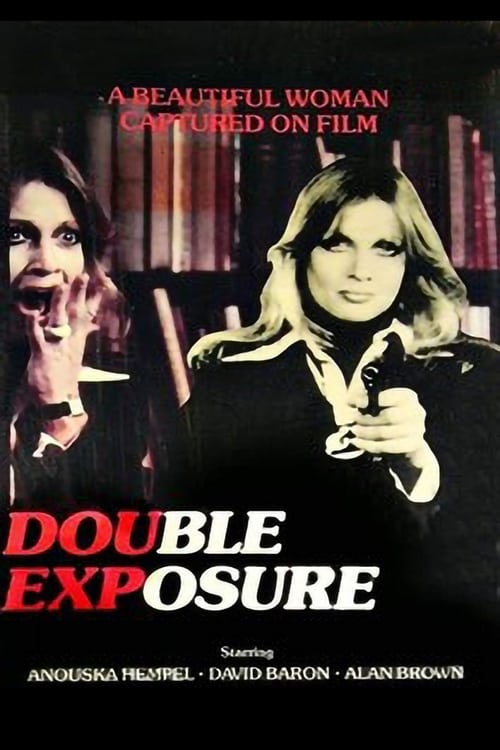
Double Exposure operates as a conventional 1970s thriller, prioritizing suspense and romantic transgression over social complexity. The narrative structure relies heavily on established genre clichés, such as the kidnapping and blackmail of a female protagonist, which limits character depth. The film lacks representation that reflects multiple aspects of identity, focusing instead on a narrow, homogeneous social circle. The conflict is driven by personal moral failings and class dynamics rather than any systemic or institutional critique. Ultimately, the production follows a traditional framework that reinforces existing social hierarchies rather than attempting to challenge them.
Category Breakdown
The story focuses on a heterosexual relationship between James Compton and Simone. It does not include any depictions of non-binary gender identities or narratives that challenge the assumption that everyone is straight or cisgender.
Simone, a central figure, has limited control over her actions due to her role as a kidnapping victim. The plot relies on traditional gendered conflicts and clichés.
The narrative centers on wealthy characters within a likely homogeneous social environment. There is no mention of a diverse cast or non-Anglo-Saxon perspectives.
Themes revolve around individual infidelity and class-based power dynamics. The film reinforces traditional morality rather than exploring alternative social or institutional frameworks.
The film provides no evidence regarding the portrayal of physical or neurodivergent disabilities.
Present on Screen
Limited or Absent
Official Synopsis
"James Compton is paid by wealthy Howard Townsend to photograph his mistress Simone . Intimate photo sessions lead to an affair. Simone is kidnapped and he is being blackmailed over the affair by the kidnappers. Some violent scenes."
1973
1986
1973
2003
1973
2005
1969
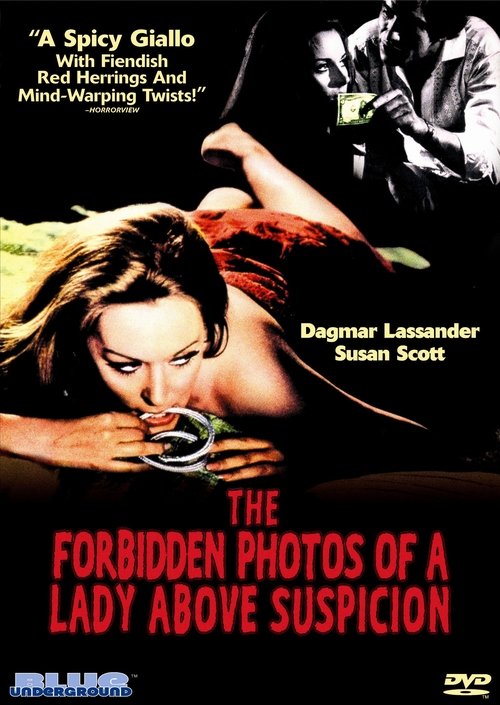
1970
No reviews yet. Be the first to share your thoughts on this movie!
Use the rating form above to leave a star rating and optional review.